
Adam Lee — Lead Grooming Analyst
Adam Lee has been traditional wet shaving since 2014 and has tested more than 60 shaving soaps, safety razors, and shaving brushes from European and American manufacturers. His reviews focus on real-world shaving comfort, skin protection, and long-term value.
Quick Verdict
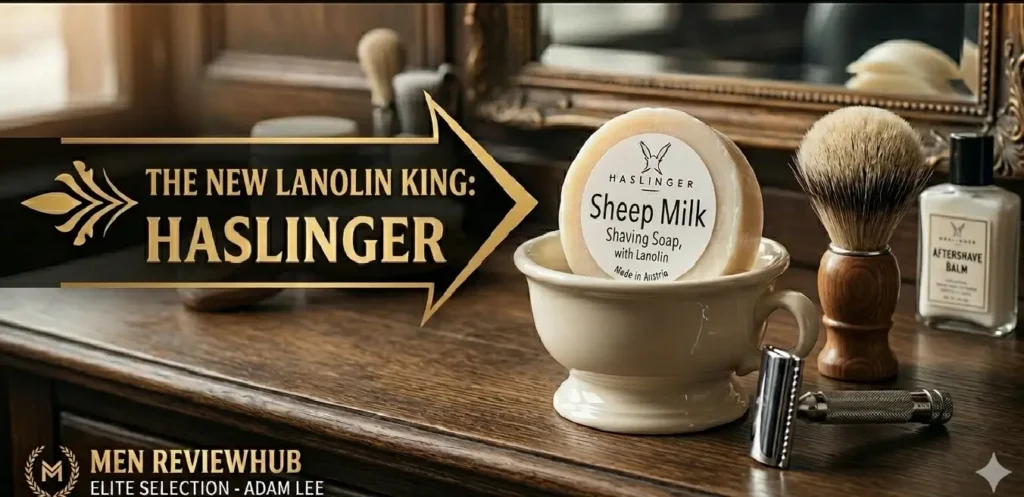
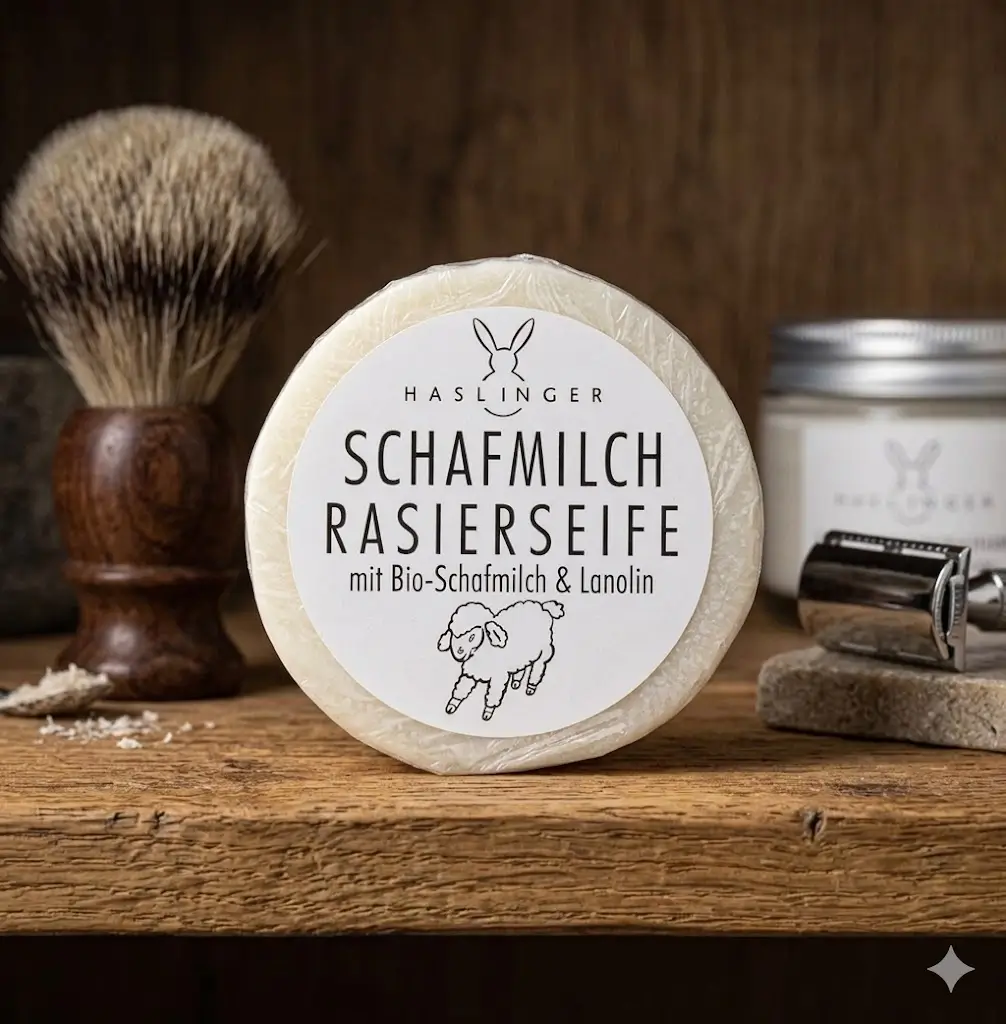
Haslinger Schafmilch
★★★★★
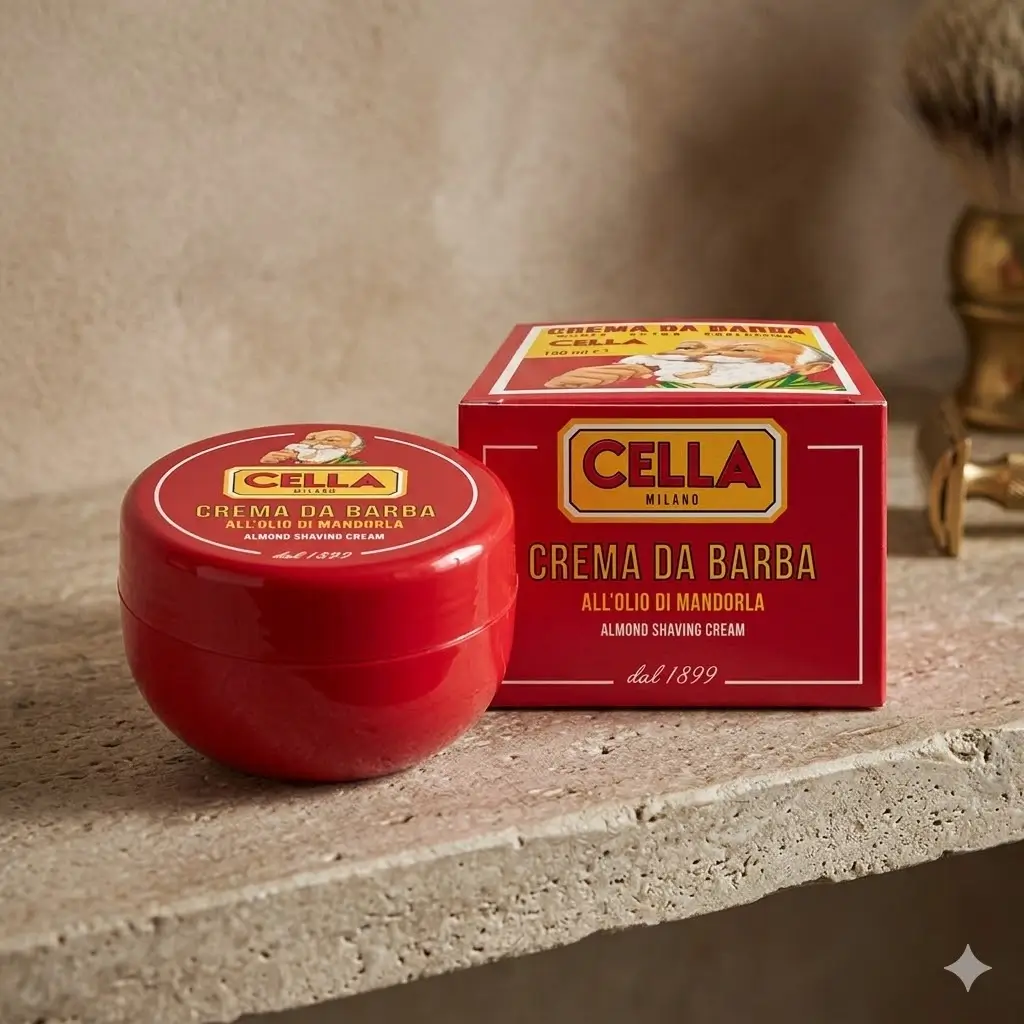
Cella Milano
★★★★★
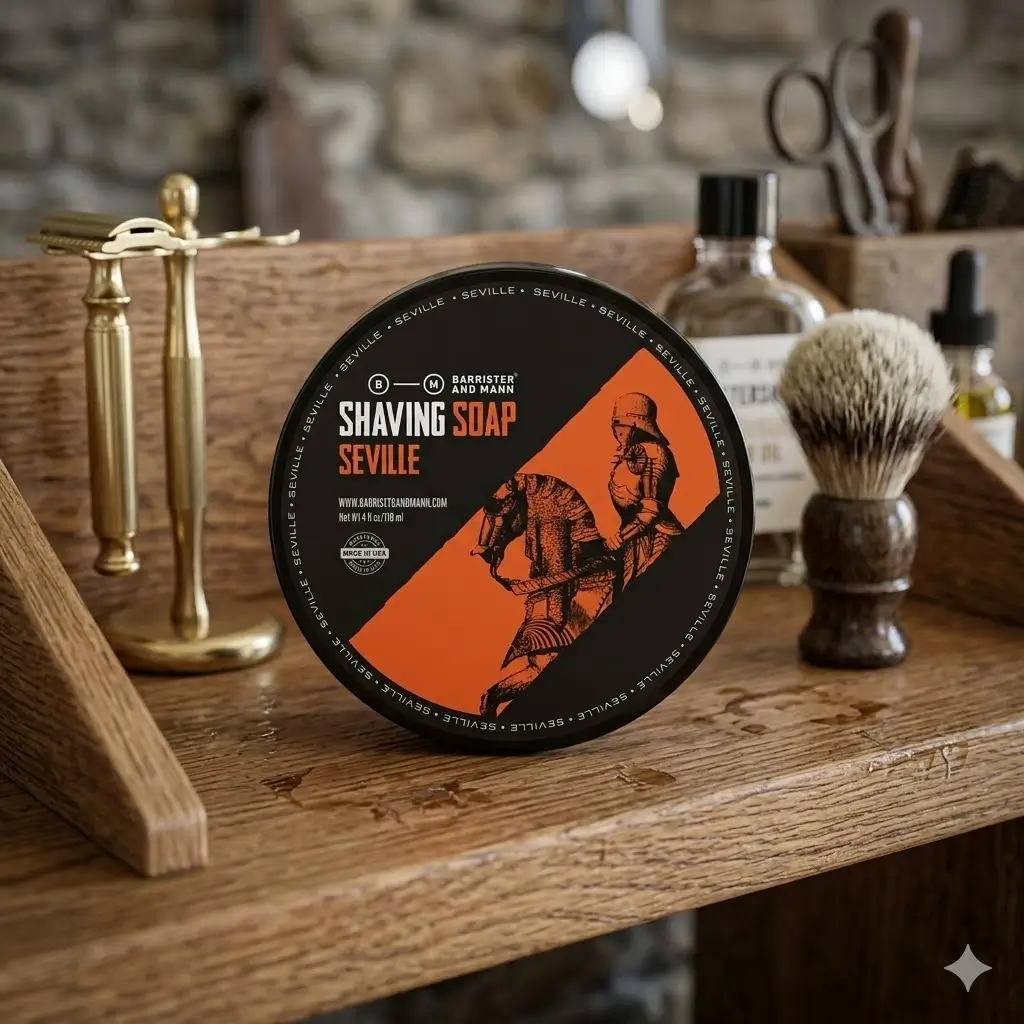
Barrister and Mann
★★★★★
The Shift from Daily Routine to Mindful Ritual
For years, I treated shaving like a miserable morning tax. I’d roll out of bed, slap on some cold canned foam, and aggressively hack away at my neck with a multi-blade cartridge razor. Almost every day ended the same way: a burning neck, red bumps, and a handful of tissue paper dots to stop the bleeding. I figured I was just cursed with bad skin genetics and that high sensitivity was something I had to live with.
The real turning point came when I looked closely at what was actually inside those aerosol cans. The harsh surfactants used to create instant foam frequently strip away your skin’s natural moisture. This causes your hair follicles to tighten up, meaning your razor blades end up pulling on the hairs instead of cleanly shearing them off at the skin line.
Moving over to dedicated shave soaps noticeably improved my shaving comfort. Traditional hot-pour soaps combine natural fats and plant butters to create a dense, yogurt-like protective cushion. This thick lather fully softens tough whiskers, making them much easier to cut. When you spread that warm, rich foam with a decent shaving brush, the razor glides across your jaw with significantly reduced razor drag, leaving your face feeling smooth and comfortable.
— Adam Lee, Lead Analyst, MenReviewHub
Our Evaluation Methodology
To deliver accurate buying advice, we evaluated these products under everyday shaving conditions. Each soap was tested repeatedly over several weeks using identical razors, blades, brushes, and different water hardness conditions to map how the lather behaves over multiple passes.
1. Understanding Cushion and Slickness
To understand why traditional soaps outperform grocery store foams, you have to look at how they protect your face. Pressurized gel is mostly just trapped air and water. It looks thick at first, but the second the razor passes over it, the lubricant is completely gone. If you go back over that same spot to clean up a missed hair without re-lathering, you are dragging bare steel over dry, unprotected skin.
Quality shave soaps leave behind a very thin, slick moisture layer that stays on your face even after the visible white foam is wiped away by the blade. This secondary layer acts as a safety buffer, allowing you to make quick touch-up passes without instantly getting razor burn. When choosing a soap, we look for two main performance features:
- The Cushion: This is the thickness and body of the lather. It acts like a tiny shock absorber, taking the brunt of the blade’s pressure so it doesn’t dig into uneven areas or small skin blemishes.
- The Slickness: This refers to how easily the blade slides across your skin. Good slickness stops the razor from skipping or pulling against coarse neck hair, ensuring a smooth, clean pass.
Pros & Cons of Traditional Shaving Soaps
- Noticeably better razor glide across sensitive areas.
- Significantly lower long-term cost per shave.
- Richer, more stable lather cushion that won’t collapse.
- Fewer synthetic propellants, resulting in less skin irritation.
- Requires longer preparation time compared to instant gels.
- Requires a quality shave brush to build a proper lather.
- Minor initial learning curve to dial in the water-to-soap ratio.
Performance Head-to-Head
| Product | Slickness | Cushion | Scent Appeal | Sensitive Skin | Value Score |
|---|---|---|---|---|---|
| Haslinger Schafmilch | ★★★★☆ | ★★★★★ | ★★★☆☆ | ★★★★★ | ★★★★☆ |
| Barrister & Mann | ★★★★★ | ★★★★★ | ★★★★★ | ★★★★☆ | ★★★☆☆ |
| Cella Milano | ★★★★☆ | ★★★★☆ | ★★★★☆ | ★★★☆☆ | ★★★★★ |
2. Top 3 Shave Soaps Real-World Review
We tested these established bases against coarse facial hair. These options stand out for real skin protection and post-shave comfort.
The Hardware Variable:
Switching to a traditional shaving soap can improve skin glide, even if you continue using a modern multi-blade system. However, to fully optimize your routine and reduce skin drag, pairing this lather with a solid safety razor is highly effective. You can explore our hands-on hardware deep dives in our Merkur 34C review or check out our comprehensive Rockwell 6C review to see which adjustable tool fits your face grain best.
3. Tallow vs. Vegan Shaving Soaps
Shaving forums are full of debates regarding whether animal-derived fats (tallow) or pure vegetable-based alternatives offer a better razor glide. Traditionally, many shavers believed that you needed animal fats to get a truly thick, protective lather that wouldn’t collapse mid-shave.
Purified tallow is naturally packed with rich fats. These components help create a stable cream layer when whipped with water, providing that excellent cushion that protects your skin from the blade. However, modern vegan soap makers have largely closed this performance gap. By blending plant-sourced stearic acid with heavy vegetable butters—like shea, kokum, and cupuacu butter—they can replicate the rich feel of animal fats. High-quality plant-based soaps can provide an incredibly slick glide while keeping your face feeling well-hydrated. If you are building out a full kit, don’t forget to pair your soap with a solid foundation by reading our guide to the best pre shave oil options on the market.
4. Cost-Per-Shave Breakdown: Soaps vs. Aerosols
Let us evaluate the long-term economics of your grooming routine, as the perception that artisan soaps are prohibitively expensive is often a misconception. Mass-market pressurized gels typically cost between $4 and $6 per canister. However, these formulas often consist of up to 80% water and propellant gases, meaning a frequent shaver may deplete a can within 30 to 45 days. This results in a recurring annual expense of roughly $40 to $50 alongside regular packaging waste.
In contrast, consider a hard soap puck or a concentrated croap. Because the manufacturing process cooks out excess moisture, you are purchasing a highly concentrated block of soap. A typical container requires a higher initial investment of $12 to $22. However, because only a small amount is loaded onto the brush bristles per use, a single 60g puck like Haslinger comfortably yields approximately 120 to 150 shaves, lasting a daily shaver several months.
Comparative Value: An $18 concentrated soap tub yielding over 150 shaves breaks down to approximately $0.12 per shave.
When balanced over a full year, utilizing highly concentrated soaps can reduce overall grooming costs while providing better skin support. For a nominal cost per pass, you receive reliable lubrication and a higher grade of skin-conditioning ingredients. To finish your routine correctly, always pair your shave with a calming layer from our roundup of the best aftershave balm products.
5. The Marco Method: Preventing Airy Lather
Even a top-tier soap formulation can underperform if your brush technique introduces too much unabsorbed air. A frequent mistake among beginners is building a loose, fluffy lather with large visible bubbles. This type of foam lacks the density needed to shield the skin and often collapses quickly during a pass, increasing razor drag.
The High-Hydration Loading Protocol
This specific approach is well-suited for soft Italian style soaps or firm tallow bases that benefit from deliberate water integration to optimize their lubricating properties:
- 1. Saturate the Knot: Submerge your shaving brush fully in warm water. Allow the bristles to remain saturated without shaking out the excess water completely.
- 2. Load the Soap Paste: Swirl the wet brush over the soap puck with steady downward pressure for 45 to 60 seconds. As excess water blends with the soap salts, it will form a thick, concentrated paste on the tips of the bristles.
- 3. Build the Emulsion on the Face: Apply the loaded brush directly to your damp face. Work the product using firm, overlapping circular motions. The water retained in the core of the brush will gradually emulsify the dense paste, expanding it into a thick, creamy layer.
Why Face Lathering Performs Well
Lathering directly on the skin offers distinct advantages over mixing in a separate bowl. The movement of the brush bristles provides mild exfoliation, helping to lift flat-lying hairs so they can be sliced smoothly by your choice of the best safety razor or your preferred best razor blades setup.
6. Managing Hard Water Chemistry
If your household tap water has high mineral content—specifically elevated levels of calcium and magnesium ions—your lather may break down or thin out prematurely. These minerals interact with saponified sodium salts, altering the emulsion and reducing the stability of the cushion.
The Citric Acid Method
Adding a very small pinch of food-grade citric acid to your shave water can help. Citric acid acts as a chelating agent, binding to floating calcium ions and effectively softening the water to improve lather consistency.
The Distilled Water Alternative
To bypass water quality issues entirely, you can keep an inexpensive jug of distilled water near your sink. Using a small amount to wet your brush ensures a consistent, predictable lather regardless of municipal water conditions.
7. Evaluating Ingredients: Avoiding Common Irritants
An advantage of moving toward traditional shaving products is having clearer visibility into the ingredient panel, which helps reduce exposure to components that may trigger skin sensitivities.
Ingredients Often Linked to Skin Irritation:
- Sodium Lauryl Sulfate (SLS): An aggressive surfactant frequently utilized for its foaming properties that can strip away essential surface lipids, causing notable dryness.
- Synthetic Phthalate Fragrances: Low-grade aromatic compounds that are common contributors to contact irritation, particularly on recently shaved skin surfaces.
- Triethanolamine (TEA): A balancing amine compound used as an emulsifier. Some people with sensitive skin may experience localized irritation from formulations containing TEA.
Quality recipes typically rely on more straightforward ingredient selections. Look for formulas featuring Stearic Acid (to support lather volume), vegetable glycerin (to help retain moisture), and plant butters or clean tallow to condition the face. If you prefer a faster building foam over a hard block, feel free to compare these picks with our tested guide to the best shaving cream options.
Frequently Asked Questions
Which shaving soap is best for sensitive skin?
Soaps that are completely unscented and enriched with skin-conditioning fats like lanolin or shea butter perform best. Haslinger Schafmilch is widely considered an excellent benchmark choice due to its minimal ingredient panel and lack of heavy essential oils.
Is shaving soap better than shaving cream?
Neither is universally better, but they suit different preferences. Hard soaps last significantly longer and typically provide a slicker secondary moisture layer for multi-pass shaving. Shaving creams contain more water, meaning they whip into a lather much faster but get depleted sooner.
Can shaving soap clog safety razors?
Traditional soap lather water-soluble and will rinse clean out of a safety razor easily. However, if you build a lather that is way too thick and dry, or if you don’t thoroughly rinse the head under warm water after your shave, a film of soap scum and hair clippings can build up over time.
What’s the difference between a croap and a hard soap?
A hard soap is firm and solid (like a bar of bath soap), requiring a fully wet brush and a bit of swirling effort to load. A croap (cream-soap) is a semi-solid paste that yields to finger pressure. Croaps are much faster to load onto brush tips, making them popular for beginners.
Can shaving soap expire?
Triple-milled hard soaps can last for several years if stored dry. Softer croaps or heavily scented artisan soaps tend to have a shorter shelf life of 12 to 24 months, as the natural essential oils and fats can slowly fade or the fats can dry out over extended periods.
Final Recommendations
Improving your morning shave and managing skin irritation involves matching soap formulas to your specific skin needs. Shaving does not have to be an uncomfortable task done in a rush. If you struggle with dry or highly sensitive skin, selecting a lanolin-enriched option like Haslinger Schafmilch can help maintain moisture. If you prefer a highly accommodating, traditional option that lathers efficiently with an appealing cherry-almond aroma, the heritage formula of Cella Milano serves as a dependable standard.
Consider moving away from airy aerosols and chemical propellants that can dry out surface skin cells. For further insights on optimizing your routine, pair a quality lather with unyielding mechanical hardware by reading our comprehensive guide to the best grooming kits for men, or explore options for reducing irritation entirely in our detailed reviews of the best electric shaver models available today.
Helping guys build a better morning routine | MenReviewHub

“Adam Lee is the lead technical reviewer at MenReviewHub and a veteran of the traditional wet shaving community. With over a decade of hands-on experience, Adam specializes in dissecting high-performance grooming hardware and dermatological skincare. He doesn’t just ‘read the box’—he puts every product through a brutal 30-day real-world trial to ensure your morning routine is a tactical success, not a crime scene.”