

Clinical Dermatological Disclosure: MenReviewHub operates as an independent, data-driven grooming laboratory. Discover how to prevent razor burn and ingrown hairs with expert-approved shaving techniques, pre-shave prep, after-shave care, and the best products for smooth, irritation-free skin. A complete clinical guide for both men and women.
The Definitive Guide to Preventing Razor Burn and Ingrown Hairs
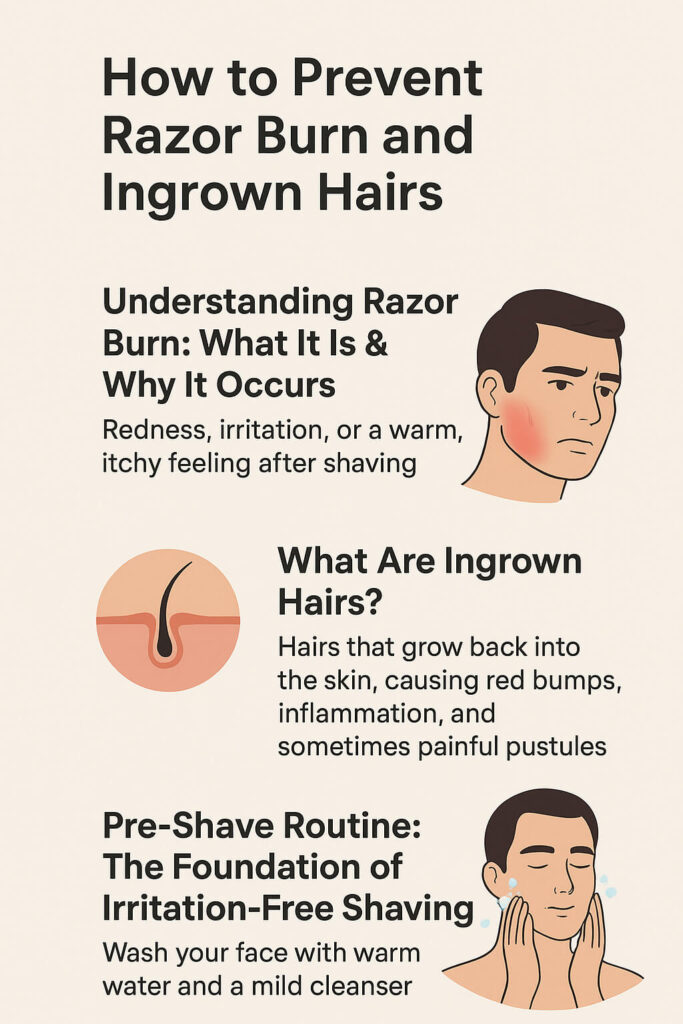
Razor burn and ingrown hairs are two of the most common shaving problems that both men and women face, regardless of skin type. These issues occur when the skin becomes irritated during shaving or when newly cut hairs struggle to grow out properly. Razor burn often appears as redness, stinging, or a warm, itchy sensation shortly after shaving. Meanwhile, ingrown hairs form when a strand of hair curls back into the skin instead of growing outward, leading to red bumps, inflammation, and sometimes painful pustules.
Most people experience these problems not because their skin is “bad,” but because their shaving routine isn’t optimized. Factors like using a dull razor, shaving too aggressively, skipping exfoliation, or shaving on dry skin all increase the likelihood of irritation. Hair texture also plays a major role—those with curly or coarse hair are naturally more prone to ingrown hairs because the strands tend to bend back toward the skin surface.
Understanding why these issues happen is the first step to preventing them. Once you know what triggers razor burn and ingrown hairs, you can adjust your technique, choose better tools, and protect your skin before and after shaving. This guide will walk you through everything you need to achieve smoother, irritation-free results—every time you shave.
⚡ Quick Expert AI Summary: The Irritation-Free Protocol
- Preparation is Mandatory: Never shave dry. Hydrate skin with warm water and exfoliate to remove dead skin cells that cause blockages.
- Master the Technique: Use a sharp, clean blade. Always shave with the grain using light, effortless strokes to minimize friction and dermal tearing.
- Post-Operative Shielding: Rinse with cool water to close pores, followed by an alcohol-free balm and targeted moisturizers (e.g., Aloe, Salicylic Acid).
- Hardware Matters: Match your tool to the terrain. Single-blade safety razors or high-end foils are superior for sensitive, bump-prone skin.
Understanding Razor Burn: What It Is & Why It Occurs
Razor burn is a form of skin irritation that appears shortly after shaving, usually as redness, stinging, itchiness, or a warm, uncomfortable sensation on the surface of the skin. While it’s often temporary, razor burn can be frustrating—especially if it happens frequently or worsens over time. Understanding what razor burn is and why it occurs will help you adjust your shaving routine to prevent irritation before it starts.
Razor burn happens for a simple reason: the razor blade disrupts the top layer of your skin. When the skin barrier is damaged—even slightly—it becomes more sensitive and reactive. This irritation is amplified when you shave without proper preparation or use low-quality tools. A dull razor blade can tug at the hair shaft instead of cutting it cleanly, causing microscopic tears in the skin that lead to discomfort. Shaving too quickly, using too much pressure, or dragging the blade over the same area multiple times also increases friction, which worsens the problem.
Biological Factors
Your skin type matters, too. People with dry, dehydrated, or naturally sensitive skin are more prone to razor burn because their skin barrier is easier to irritate. External factors also play a role—such as shaving without lubrication, using products with alcohol or strong fragrances, or shaving in a rush.
In short, razor burn is not just about the act of shaving—it’s about how you prepare your skin, the tools you use, and the technique you apply. By understanding these triggers, you can make smarter choices and achieve a smoother, more comfortable shave with far less irritation.
What Are Ingrown Hairs?
Ingrown hairs are strands of hair that grow back into the skin instead of rising up and out as they normally should. They appear as small, inflamed bumps that may look like pimples and can sometimes feel painful or itchy. In many cases, you may even see the trapped hair curled underneath the skin’s surface. While ingrown hairs are generally harmless, they can lead to irritation, hyperpigmentation, or infection if not treated properly.
Ingrown hairs happen when the hair follicle becomes blocked or when the hair’s natural growth pattern is disrupted. This often occurs after shaving, waxing, or tweezing—any method that cuts or removes hair close to the surface. When the new hair starts to regrow, it may curl sideways or downward instead of straight up, especially if the hair is naturally curly, coarse, or thick. Dead skin buildup can also clog the follicle, forcing the hair to grow inward rather than outward.
These bumps commonly appear in areas where the skin experiences regular friction or where hair is denser, such as the beard area, bikini line, underarms, and legs. People with curly hair types are particularly prone to ingrown hairs, but anyone can develop them without proper skin care and shaving habits.
Understanding what ingrown hairs are—and why they form—is the foundation for preventing them. With the right shaving technique, consistent exfoliation, and proper post-shave care, you can significantly reduce the risk and keep your skin smooth, healthy, and irritation-free.
Pre-Shave Routine: The Foundation of Irritation-Free Shaving
A smooth, irritation-free shave doesn’t start with the razor—it starts with proper preparation. A good pre-shave routine softens the hair, hydrates the skin, and reduces friction, making it far easier for the blade to glide effortlessly without causing razor burn or ingrown hairs. When you take a few minutes to prep your skin correctly, you dramatically improve your shaving results while minimizing redness, bumps, and discomfort.
💧 1. Hydration
The first step is hydration. Shaving dry skin is one of the fastest ways to irritate your skin barrier, so it’s essential to moisten your skin with warm water before shaving. A warm shower or a warm towel applied for 2–3 minutes helps soften the hair shafts, making them easier to cut cleanly. This not only reduces friction but also prevents the razor from tugging at the hair—one of the main causes of razor burn.
🧽 2. Exfoliation
Next, exfoliation plays a crucial role. Removing dead skin cells prevents them from clogging your pores and helps hairs grow in the right direction. Both physical scrubs and chemical exfoliants (like AHA or BHA) can be effective, depending on your skin type. By clearing away buildup, you ensure a smoother surface for the razor and significantly reduce the chances of developing ingrown hairs.
🛡️ 3. Lubrication
Finally, applying a quality pre-shave product—such as oil, gel, or foam—creates a protective layer between your skin and the blade. These products improve lubrication, reduce friction, and help the razor glide cleanly across the skin. Look for formulas that contain hydrating and soothing ingredients like aloe vera, glycerin, jojoba oil, or vitamin E, especially if you have sensitive skin.
By incorporating these simple but effective steps into your pre-shave routine, you build a strong foundation for a safer, smoother, and irritation-free shaving experience every time.
Shaving Techniques to Prevent Razor Burn
Using the right shaving techniques is one of the most effective ways to prevent razor burn and protect your skin from irritation. Even with high-quality products, improper technique can easily lead to redness, bumps, and discomfort. Mastering a few key habits can completely transform your shaving experience and give you consistently smooth, irritation-free results.
- The most important rule is to use a sharp, clean razor. A dull blade drags across the skin, causing friction and small tears that trigger razor burn. Replace your blades regularly—typically every 5–7 shaves or sooner if you notice tugging or uneven cutting. Keeping your razor clean also prevents bacteria buildup, which can worsen irritation or cause breakouts.
- Next, always shave with the grain, meaning in the same direction that your hair naturally grows. Shaving against the grain may feel closer, but it dramatically increases the risk of razor burn and ingrown hairs because the blade pulls the hair outward before cutting it. If you need a closer shave, start with the grain and only go across or slightly against the grain on a second pass—never on the first.
- It’s also essential to use light pressure. Pressing down hard does not result in a closer shave; it only irritates the skin. Instead, let the razor glide gently, supported by the lubrication from your shaving gel or cream. Use short, controlled strokes and rinse the blade frequently to prevent clogging and maintain smooth motion.
- Finally, avoid going over the same area too many times. Each pass removes a layer of protection from the skin, making it more prone to burning and redness. If you missed a spot, reapply shaving cream before going over it again.
By following these professional shaving techniques—sharp blades, proper direction, gentle strokes, and minimal passes—you significantly reduce the risk of razor burn and keep your skin healthy, smooth, and comfortable after every shave.
Best Practices to Prevent Ingrown Hairs
Preventing ingrown hairs is all about helping the hair grow out of the skin smoothly, without obstruction or irritation. With the right habits and consistent care, you can significantly reduce bumps, redness, and inflammation caused by trapped hairs. Here are the most effective, expert-approved practices to keep your skin clear and ingrown-hair–free.
Exfoliation & Hydration
One of the most important steps is regular exfoliation. Dead skin cells can clog hair follicles, forcing new hairs to curl back into the skin. Exfoliating 2–3 times per week helps keep pores clear and encourages proper hair growth. You can use a gentle physical scrub or chemical exfoliants like salicylic acid (BHA) or glycolic acid (AHA). Both methods help dissolve buildup, smooth the skin’s surface, and reduce the risk of ingrown hairs forming.
Another essential practice is to keep your skin well-moisturized. Soft, hydrated skin allows new hairs to push through more easily. A lightweight, non-comedogenic moisturizer or lotion containing ingredients like aloe vera, hyaluronic acid, or glycerin can help maintain a healthy skin barrier. Moisturizing after every shave also reduces irritation and prevents dryness—a common factor that leads to ingrown hairs.
Friction & Frequency
Avoiding tight clothing after shaving is another simple yet powerful way to protect your skin. Tight garments—especially around the bikini line, underarms, or inner thighs—can create friction that irritates freshly shaved skin and pushes hairs back into the follicle. Opt for loose-fitting clothing for the first few hours after shaving to give your skin time to breathe and recover.
Lastly, be mindful of shaving frequency and technique. Giving your skin time to heal between shaves and using a clean, sharp razor helps prevent hair breakage and uneven cutting—both of which contribute to ingrown hairs.
By combining regular exfoliation, proper moisturization, gentle shaving habits, and smart post-shave care, you create the ideal environment for smooth, healthy hair regrowth and significantly minimize the risk of ingrown hairs.
After-Shave Care: Soothe & Protect Your Skin
Proper after-shave care is essential for calming the skin, preventing irritation, and protecting the freshly shaved area from razor burn, redness, and ingrown hairs. Shaving temporarily disrupts the skin’s barrier, so what you do immediately afterward determines whether your skin stays smooth and comfortable—or becomes irritated and inflamed. A thoughtful post-shave routine helps restore moisture, reduce inflammation, and create a protective shield that keeps your skin healthy.
- The first step is to rinse with cool water to close the pores and calm any initial irritation. Pat—not rub—your skin dry to avoid friction.
- Once your skin is clean and dry, apply an alcohol-free aftershave. Many traditional aftershaves contain alcohol that stings and dries out the skin, worsening razor burn. Instead, choose soothing formulas with hydrating and calming ingredients like aloe vera, chamomile, witch hazel, niacinamide, or panthenol. These ingredients help reduce redness, inflammation, and discomfort while boosting your skin’s natural recovery.
- For additional comfort, cooling gels and lightweight moisturizers are ideal. Aloe vera gel, hyaluronic acid lotions, or gel-based moisturizers help replenish moisture and prevent dryness, which can lead to flaking and irritation. If you’re prone to ingrown hairs, consider targeted treatments containing salicylic acid or glycolic acid to keep pores clear and prevent hairs from curling back into the skin.
- If you develop swollen bumps or areas of inflammation, gentle spot treatments can help. Ingredients like tea tree oil, benzoyl peroxide, or witch hazel provide antimicrobial and anti-inflammatory benefits, reducing the risk of infection in irritated follicles.
- Finally, avoid touching or scratching freshly shaved skin, and try not to apply heavy fragrances or harsh products right after shaving. Keeping the area clean, hydrated, and protected ensures your skin recovers quickly and remains smooth and irritation-free.
With the right after-shave care, you not only soothe discomfort but also strengthen your skin for healthier, smoother shaves in the future.
Recommended Tools & Products for Safe Shaving
Choosing the right tools and skin-care products plays a major role in achieving a smooth, irritation-free shave. Alongside proper technique and preparation, the items you shave with — from razors to moisturizers — can either protect your skin or trigger razor burn and ingrown hairs. Here’s a guide to shaving tools and products that help ensure safe, comfortable results.
Razors suited for sensitive skin
- A razor with a sharp, clean blade — multi-blade cartridges work for many people, but if your skin is easily irritated or hair is coarse, a single-blade safety razor may reduce tugging and skin stress.
- Electric shavers — for those prone to razor burn, a high-quality electric shaver can be gentler on the skin, especially for areas like legs, underarms, or bikini line.
- Fresh blades or heads — regardless of type, replace blades or shaving heads regularly (e.g. every 5–7 shaves or sooner) to maintain sharpness and hygiene.
Pre-shave and shaving creams/gels/foams
- Use pre-shave oil or pre-shave balm — these add a protective layer that reduces friction and softens hair before cutting.
- Choose shaving cream or gel formulated for sensitive skin — ideally fragrance-free and rich in moisturizing/soothing ingredients (like aloe vera, glycerin, shea butter, etc.).
- Good lather is key — a thick, creamy lather cushions the skin and helps the blade glide smoothly, minimizing irritation.
After-shave and post-shave skin-care
- Alcohol-free aftershave balms or lotions — better than traditional alcohol-based aftershaves which can dry and irritate skin.
- Use a calming moisturizer or soothing gel after each shave — formulas with aloe, niacinamide, panthenol, or ceramides help restore the skin barrier and reduce redness.
- For those prone to ingrown hairs, light exfoliating products or post-shave exfoliating pads/lotions with salicylic acid (BHA) or mild AHA can help keep hair follicles clear.
Exfoliation tools and products
- Gentle exfoliating scrubs — to remove dead skin cells 1–2 times per week (not immediately before shaving).
- Chemical exfoliants (AHA or BHA) — for regular maintenance to prevent buildup, help hairs grow out properly, and reduce risk of ingrown hairs.
- Soft washcloth or exfoliating glove — useful to gently exfoliate skin before shaving, especially on tougher areas like legs.
By combining quality razors, protective pre- and post-shave products, and proper exfoliation, you create a complete shaving system that supports healthy skin. Using the right tools makes shaving a safe, comfortable, and even enjoyable ritual — not a source of irritation or regret.
Shaving Tips for Different Body Areas
Different parts of the body have different skin textures, hair thickness, and sensitivity levels — which means the same shaving approach doesn’t work everywhere. Tailoring your technique to each area helps you get a smoother shave while minimizing razor burn, cuts, and ingrown hairs. Here are expert tips for shaving common body areas safely and effectively.
Face (Men’s Beard Area)
The facial area is highly sensitive and has thicker, coarser hair.
- Always shave after a warm shower to soften the hair.
- Use a rich, lubricating shaving cream for maximum glide.
- Shave with the grain first, then across for a closer finish.
- Avoid pressing too hard — let the razor do the work.
- Finish with a calming, alcohol-free aftershave.
Legs
Leg skin is generally less sensitive, but long strokes can create friction.
- Use long, smooth strokes and shave from the ankle upward.
- Apply plenty of shaving gel/cream to avoid dryness.
- Exfoliate 1–2 times per week to prevent ingrown hairs.
- Replace blades frequently since leg hair dulls razors quickly.
Underarms
Underarm skin is delicate and curved, making shaving trickier.
- Shave in multiple directions (up, down, sideways) because hair grows irregularly.
- Keep the skin stretched and taut for a cleaner pass.
- Use a razor with a pivoting head to follow contours.
- Avoid deodorant immediately afterward; use a soothing product first.
Bikini Line
This is one of the most sensitive areas and is highly prone to ingrown hairs.
- Trim long hair first to prevent tugging.
- Use a fresh, sharp razor dedicated to this area only.
- Shave with the grain, never against it on the first pass.
- Apply a soothing, fragrance-free post-shave balm, and avoid tight clothing afterward.
Back & Chest
These areas have thicker hair and can be hard to reach.
- Consider using an electric shaver to reduce irritation.
- If using a razor, work in short strokes and keep the skin as flat as possible.
- Apply gentle exfoliation regularly to reduce ingrown hairs.
Arms
Arm hair is usually fine, but the skin can still become irritated.
- Use lightweight shaving cream or gel for smooth gliding.
- Shave in the direction of hair growth using light pressure.
- Moisturize immediately after shaving to prevent dryness.
By adjusting your shaving routine for each body area, you protect the skin’s natural barrier, reduce irritation, and achieve a cleaner, safer shave. With the right technique and products, every part of your body can stay smooth, healthy, and razor-burn-free.
Natural Remedies for Razor Burn & Ingrown Hairs
Natural remedies can be incredibly effective for soothing razor burn, reducing inflammation, and helping prevent ingrown hairs — all without relying on harsh chemicals. These gentle, skin-friendly solutions are easy to use, widely accessible, and safe for most skin types. Whether you prefer plant-based ingredients or simple at-home treatments, these natural options can calm irritation and support healthier shaving habits.
🌿 Aloe Vera
Aloe vera gel is one of the best natural treatments for razor burn. Its cooling, soothing, and anti-inflammatory properties help calm redness and heal irritated skin quickly. Apply pure aloe vera gel directly to the affected area and let it absorb — no rinsing needed.
🌿 Tea Tree Oil
Known for its antibacterial and anti-inflammatory benefits, tea tree oil helps reduce swelling and prevent infected ingrown hairs. Always dilute it with a carrier oil (like coconut or jojoba oil) before applying to avoid irritation. Use sparingly on trouble spots, especially where ingrown hairs tend to form.
🌿 Witch Hazel
Witch hazel acts as a natural astringent that helps soothe razor burn, reduce redness, and prevent inflammation. Apply it with a cotton pad after shaving or whenever irritation appears. Its gentle, skin-calming effects make it ideal for sensitive skin.
🥥 Coconut Oil
Rich in moisturizing fatty acids, coconut oil helps soften the skin and strengthen its protective barrier. Applying it after shaving can prevent dryness and reduce friction that leads to razor burn. It also has mild antibacterial properties that help keep follicles clean.
🍯 Honey
Honey is a natural humectant and antibacterial agent that helps soothe and heal irritated skin. A thin layer applied to razor-burned areas can reduce inflammation and speed recovery. Rinse after 10–15 minutes for best results.
♨️ Warm Compress
For ingrown hairs, applying a warm compress softens the skin and encourages the trapped hair to surface. Soak a clean washcloth in warm water, apply it to the area for several minutes, and repeat as needed.
🧂 Sugar Scrub
A gentle homemade sugar scrub (sugar + honey + olive oil) helps exfoliate dead skin cells and free trapped hairs. Use it 1–2 times per week to prevent ingrown hairs, but avoid using it immediately after shaving to prevent irritation.
🍎 Apple Cider Vinegar
With natural anti-inflammatory and antimicrobial properties, diluted apple cider vinegar can help reduce swelling and prevent infection around irritated follicles. Dab it on using a cotton ball, but avoid applying to freshly shaved or broken skin.
Using these natural remedies consistently can significantly reduce razor burn and help prevent ingrown hairs over time. Combined with proper shaving technique and regular exfoliation, these gentle treatments keep your skin smooth, balanced, and healthy without exposing it to harsh ingredients.
🔗 The Clinical Grooming Matrix
Your biochemical grooming operation absolutely does not end precisely here. To mathematically complete your tactical execution arsenal and optimize your epidermal health, aggressively transition directly into our heavily peer-reviewed laboratory data:
- For Proper Hardware Procurement: Ensure you are using skin-safe engineering by visiting our Best Electric Shavers Database.
- For Keratin Length Management: If you are suffering from chronic razor bumps, downgrade your cut from skin-close to heavy stubble. Learn how via the Best Cordless Trimmers Breakdown.
When to See a Dermatologist
While most cases of razor burn and ingrown hairs can be treated at home with proper shaving techniques and gentle skincare, there are times when professional help is necessary. A dermatologist can diagnose underlying skin issues, provide stronger treatments, and help prevent chronic irritation that doesn’t improve with self-care. Knowing when to seek medical attention ensures your skin stays healthy and avoids long-term complications.
You should see a dermatologist if you experience severe or persistent ingrown hairs that don’t improve after several weeks of exfoliation, moisturizing, and proper shaving practices. Repeated ingrown hairs may indicate conditions like folliculitis or pseudofolliculitis barbae — especially common in individuals with very curly or coarse hair.
If you develop painful, swollen, or infected razor bumps, professional care is important. Symptoms such as pus, spreading redness, warmth, or significant tenderness suggest infection. A dermatologist can prescribe topical or oral antibiotics to clear the infection and prevent scarring.
Chronic razor burn that constantly reappears, even after adjusting your shaving technique and products, may signal sensitive skin conditions such as eczema, dermatitis, or keratosis pilaris. In these cases, a dermatologist can recommend personalized treatments, including prescription-strength creams, soothing anti-inflammatory formulas, or alternative hair removal methods.
You should also seek help if you notice dark spots or scarring forming after repeated ingrown hairs. Early intervention can help prevent long-term pigmentation issues, especially for deeper skin tones that are more prone to post-inflammatory hyperpigmentation.
Finally, if shaving consistently leads to significant discomfort, irritation, or emotional stress, a dermatologist can help you explore safer alternatives like laser hair removal, which reduces the risk of razor burn and ingrown hairs over time.
In short, consult a dermatologist when at-home remedies aren’t enough, symptoms escalate, or your skin shows signs of infection or long-term damage. Early treatment ensures healthier, smoother skin and prevents complications from worsening.
As an Amazon Associate, we deeply appreciate and mathematically earn from qualifying purchases. This comes at absolutely no extra financial cost to you whatsoever. These vital commissions actively help securely support MenReviewHub in safely maintaining our independent clinical testing laboratory. We are passionately dedicated to consistently providing deeply honest, strictly factual grooming and dermatological reviews to guarantee you always deploy the absolute best practices for your skin. Stay disciplined, stay smooth, and stay incredibly sharp!

“Adam Lee is the lead technical reviewer at MenReviewHub and a veteran of the traditional wet shaving community. With over a decade of hands-on experience, Adam specializes in dissecting high-performance grooming hardware and dermatological skincare. He doesn’t just ‘read the box’—he puts every product through a brutal 30-day real-world trial to ensure your morning routine is a tactical success, not a crime scene.”