
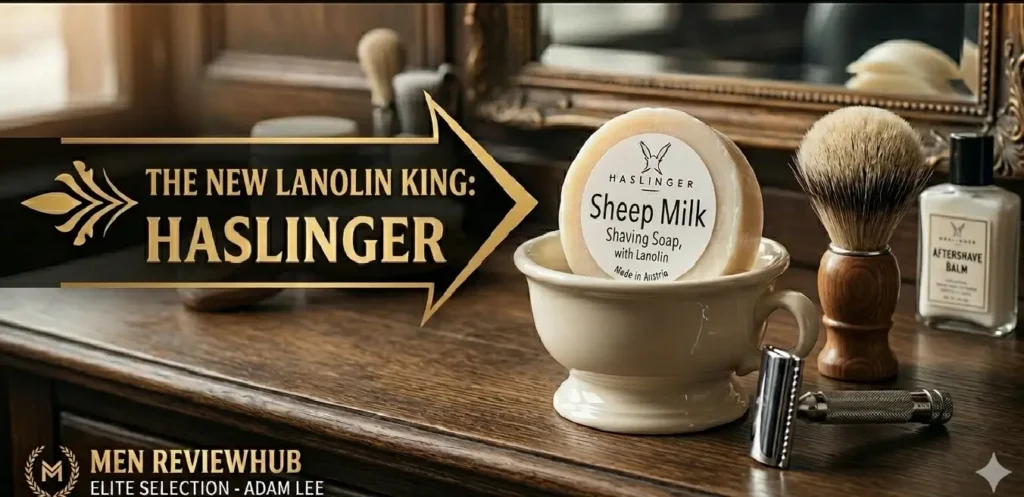

A Personal Note
The Day Shaving Became a Ritual
For a long time, I treated shaving like a chore I just had to get through. Wake up, grab a can of foam, do a quick pass, and rush out the door. But my skin wasn’t happy—it felt dry, tight, and prone to razor burn. I honestly thought my skin was just overly sensitive.
Eventually, I realized that the standard aerosol foams, which are mostly propelled air and strong cleansers, were stripping away my skin’s natural moisture rather than protecting it. It was a lightbulb moment.
When I finally discovered the world of the best shaving soaps for traditional wet shaving, my entire morning routine changed. Shaving stopped being a painful necessity and became a quiet moment for myself. There is something incredibly relaxing about taking a quality brush, building a rich, protective lather, and enjoying scents that transport you to a classic barbershop or a quiet pine forest.
In this guide, I want to share what I’ve learned over the years. If you’re tired of dealing with skin irritation and want to actually look forward to your morning shave, you’re in the right place. Let’s walk through it together.
— Adam Lee, Lead Analyst, MenReviewHub
1. The Secret to a Great Lather: Why Artisan Soaps Feel Different
To understand why so many guys are switching to the best shaving soaps for traditional wet shaving, it helps to look at how they actually work on your skin. It mostly comes down to two things: keeping the skin lubricated and keeping the hair hydrated.
Residual Slickness: The Invisible Shield
Canned foam is mostly air. It sits on top of your facial hair, but once the razor glides past, that foam is wiped away completely. If you go back over that spot to touch up a missed hair—which we all do—you’re running a blade over dry skin, which naturally leads to irritation.
Quality traditional soaps are designed for “residual slickness.” Even after the visible lather is gone, a thin, highly lubricated film of natural oils remains on your skin. This acts as a protective safety net, allowing you to comfortably do those little touch-ups without the razor burn.
Cushion vs. Slickness
When evaluating the best shaving soaps for traditional wet shaving, we look for a balance of two main things:
- Cushion: This is the thickness and density of the lather. It acts as a gentle barrier between your skin and the blade.
- Slickness: This is how easily the razor glides across your face. Good slickness stops the blade from skipping or tugging on coarser hairs, keeping things comfortable.
Many everyday soaps give you big, fluffy bubbles but lack the slickness. The artisan soaps below provide a wonderful balance of both, helping you get a close, smooth shave every time.
2. The 2026 Shortlist: Our Top 3 Favorites
If you’re just looking for a reliable recommendation to get started, here is our shortlist. After trying dozens of options, these three consistently stand out as the best shaving soaps for traditional wet shaving.
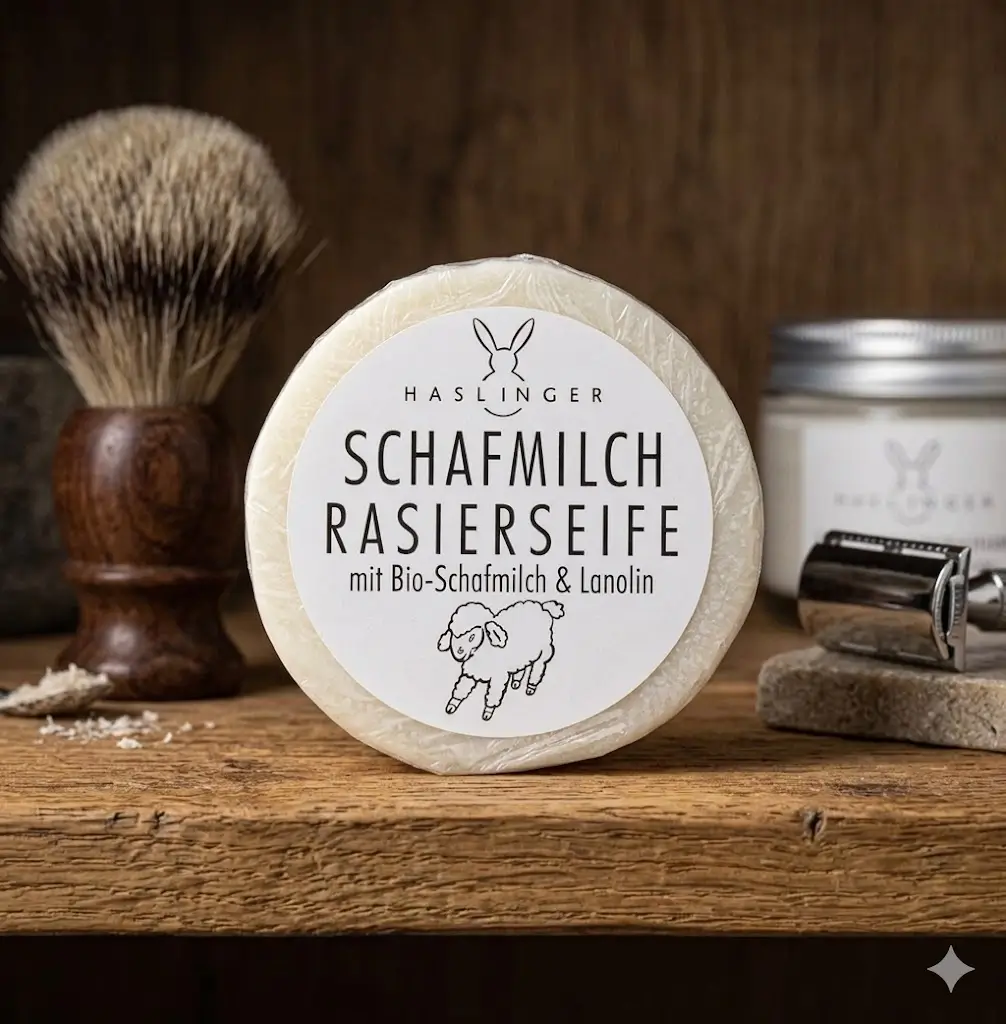
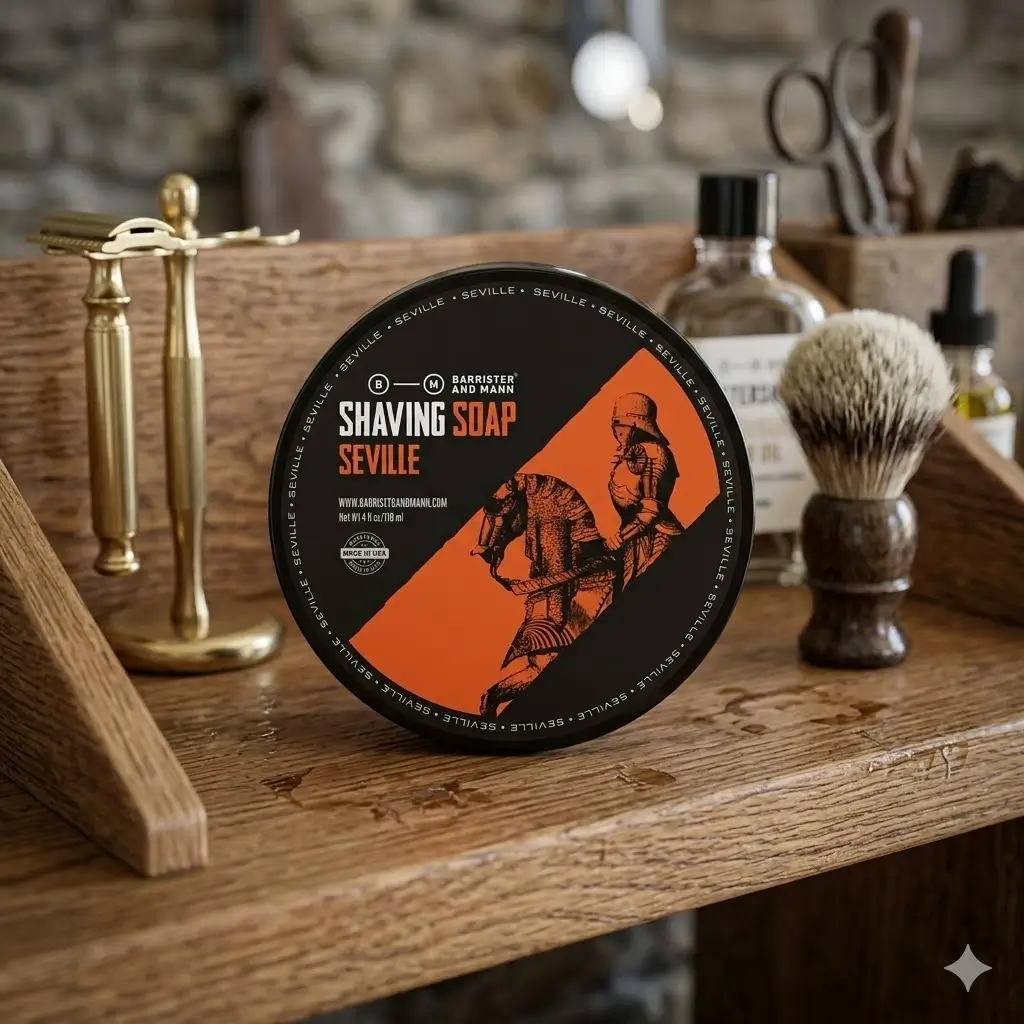
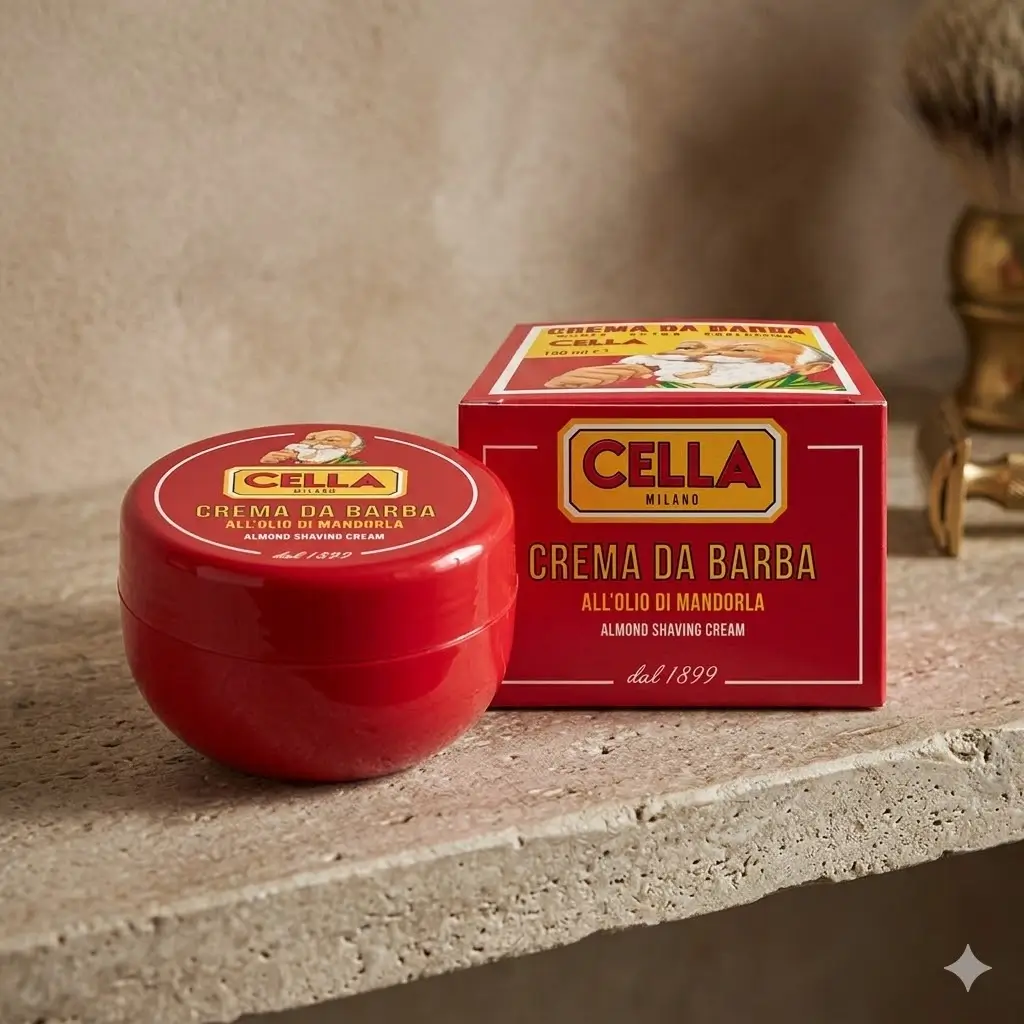
A Quick Tip:
Switching to the best shaving soaps for traditional wet shaving is a game-changer, even if you still use a cartridge razor like Harry’s. But to really experience the full benefit, try pairing your new lather with a solid, well-made safety razor like the Merkur 34C.
3. Tallow vs. Vegan: Finding What Works for You
There’s often a friendly debate in the wet shaving community over whether traditional tallow (rendered fat) or modern vegan bases are better. For a long time, traditionalists believed you couldn’t make a truly great soap without tallow. Let’s look at what actually matters.
The Case for Tallow
Tallow is naturally rich in fatty acids that provide a dense, comfortable glide. It’s historically popular because it’s very forgiving to lather and leaves the skin feeling wonderfully nourished after the shave.
The Rise of Excellent Vegan Bases
However, modern soap makers have become incredibly skilled at blending rich vegetable fats like Shea, Kokum, and Mango butter. These modern vegan bases perform beautifully, and many are just as slick and protective as their tallow counterparts. If you prefer to avoid animal products, you don’t have to compromise on quality at all. The best shaving soaps for traditional wet shaving today feature outstanding options in both categories.
4. The Real Cost: Why Artisan Soaps Are Actually a Great Value
It’s easy to look at a $25 artisan soap and compare it to a $4 can of foam and think the can is the better deal. But let’s look at how long these products actually last.
Breaking Down the Numbers
A standard can of gel usually lasts a daily shaver about a month to a month and a half. That works out to roughly $0.10 to $0.12 per shave.
Now consider a premium hard soap. Because all the excess water has been removed during the milling process, you are getting a highly concentrated product. A single tub can easily last a daily shaver a year or more.
The Math: A $60 premium soap lasting a full year = About $0.16 per shave.
For just a few extra pennies a day, you get a much more comfortable shave, better skin care, less plastic waste, and a fantastic scent. When you think about the long game, investing in the best shaving soaps for traditional wet shaving makes a lot of sense.
5. The “Marco Method”: How to Build the Perfect Lather
Even the best shaving soaps for traditional wet shaving need a little technique to really shine. A common trap is making an “airy lather”—big, bubbly foam that looks great but offers very little protection for your skin.
A Tried and True Approach
This method is popular for softer Italian soaps or formulas that need a bit more water to wake up.
- 1. Start Wet: Wet your shaving brush thoroughly under the tap. You don’t need to shake all the water out; leave it fairly wet.
- 2. Load the Brush: Swirl the wet brush gently but firmly over the soap puck for about 45 to 60 seconds. It might get a bit messy, but that’s okay. You want to pick up plenty of soap onto the bristles.
- 3. Build on the Face: Take the loaded brush directly to your wet face. As you gently scrub in circular motions, the water and soap will mix, expanding into a rich, dense layer that resembles thick cream.
Why Face Lathering Works Well
“I personally prefer lathering right on the face rather than in a bowl. The bristles of the brush help gently exfoliate the skin and lift the whiskers, prepping them perfectly for the blade. It just feels like a more effective, hands-on way to get ready for a great shave.”
6. Dealing with Hard Water
If you live in an area with “hard water” (water with high mineral content), you might notice your lather falls flat quickly. The minerals can bind to the soap, making it tough to build that protective cushion. Even the very best shaving soaps for traditional wet shaving can struggle a bit under these conditions.
Two Easy Solutions
A Pinch of Citric Acid
You can add just a tiny pinch of food-grade citric acid to a mug of warm water. This helps neutralize the minerals, allowing your soap to lather up beautifully.
The Distilled Water Route
If you want to keep things simple and ensure perfect performance every time, just keep a jug of distilled water under the sink. Dip your brush in that instead of using tap water. It’s an inexpensive fix that works wonders.
7. Finding Your Signature Scent
One of the most enjoyable parts of discovering the best shaving soaps for traditional wet shaving is the variety of fragrances. Artisan soap makers often blend scents with the same care as fine colognes.
- The Classic Barbershop: A clean mix of powder, lavender, and perhaps a touch of basil or oakmoss. It’s a familiar, comforting scent that feels timeless.
- Warm & Woody: Notes of leather, cedar, tobacco, or subtle spice. These are great, cozy choices for the colder months.
- Fougère (The Earthy Greens): If you enjoy the smell of a fresh forest after a rain—think fern, lavender, and damp woods—look for anything labeled “Fougère.” It’s a remarkably refreshing way to start the day.
8. Putting Your Kit Together: Soap, Brush, and Blade
Getting the most out of the best shaving soaps for traditional wet shaving often means pairing them well with the rest of your gear.
Matching Your Brush
If you prefer a harder, triple-milled soap, a brush with slightly stiffer bristles—like a boar hair brush—can help pick up the soap more easily. If you prefer softer soaps or creams, a plush synthetic or soft badger brush will whip up a lather with minimal effort.
Matching Your Blade
When you use an ultra-protective, slick soap, it gives you a bit more leeway to comfortably use a sharper blade (like a Feather) in your safety razor. The quality of the soap acts as a reliable buffer for a closer, cleaner shave.
9. Reading the Label: What Your Skin Actually Needs
A great benefit of moving to the best shaving soaps for traditional wet shaving is knowing exactly what you’re putting on your skin. Many cheap foams keep their costs down by relying on harsh ingredients that aren’t ideal for daily facial care.
What to Watch Out For:
- Strong Detergents (like SLS): While they make big bubbles, they can also strip away natural oils, leaving your face feeling tight and dry.
- Certain Preservatives: Many artisans prefer natural alternatives or rely on the low water content of their hard soaps to keep them fresh, avoiding harsher commercial preservatives.
- Synthetic Fragrances: If you have sensitive skin, artificial scents can sometimes cause redness. High-end soaps typically use skin-safe essential oils or carefully selected cosmetic-grade fragrances.
The Good Stuff to Look For:
When checking out the best shaving soaps for traditional wet shaving, it’s nice to see ingredients like Stearic Acid, Shea Butter, Vegetable Glycerin, and natural oils. Whether it includes Lanolin or Tallow, you want a formula that focuses heavily on post-shave comfort and hydration.
10. Common Questions
Can I use these soaps without a brush?
It’s not really recommended. The best shaving soaps for traditional wet shaving are designed to be mixed with water and air using the bristles of a brush. Just rubbing the soap on with your hands will give you a thin, unhelpful film instead of a protective lather.
Is Tallow a standard ingredient?
Yes, it is very common and completely safe. It’s highly purified and has been used for generations because it provides a wonderfully rich, comfortable glide that leaves the skin feeling great.
What’s the best approach for a really close shave?
If you want that perfectly smooth feel, you might do a pass “Against The Grain.” This requires a very slick, protective lather to avoid irritation. Highly-rated artisan soaps provide the extra cushion you need to do this comfortably.
What if my skin feels itchy after using a new soap?
If you’re using a quality soap and notice some redness or itching (that isn’t razor burn), you might just be sensitive to a particular fragrance oil, like cinnamon or sandalwood. Switching to an unscented version usually solves the issue quickly.
Wrapping Up: Enjoying the Routine
Shaving doesn’t have to be something you dread. Taking a little extra time to care for your skin can turn a rushed chore into a really enjoyable part of your morning.
The best shaving soaps for traditional wet shaving offer a gentle, effective way to get a great shave while keeping your skin healthy. Whether you prefer a classic barbershop scent or a quiet, unscented lather, finding the right soap is a simple upgrade that pays off every single day.
Helping guys build a better morning routine | MenReviewHub

“Adam Lee is the lead technical reviewer at MenReviewHub and a veteran of the traditional wet shaving community. With over a decade of hands-on experience, Adam specializes in dissecting high-performance grooming hardware and dermatological skincare. He doesn’t just ‘read the box’—he puts every product through a brutal 30-day real-world trial to ensure your morning routine is a tactical success, not a crime scene.”