
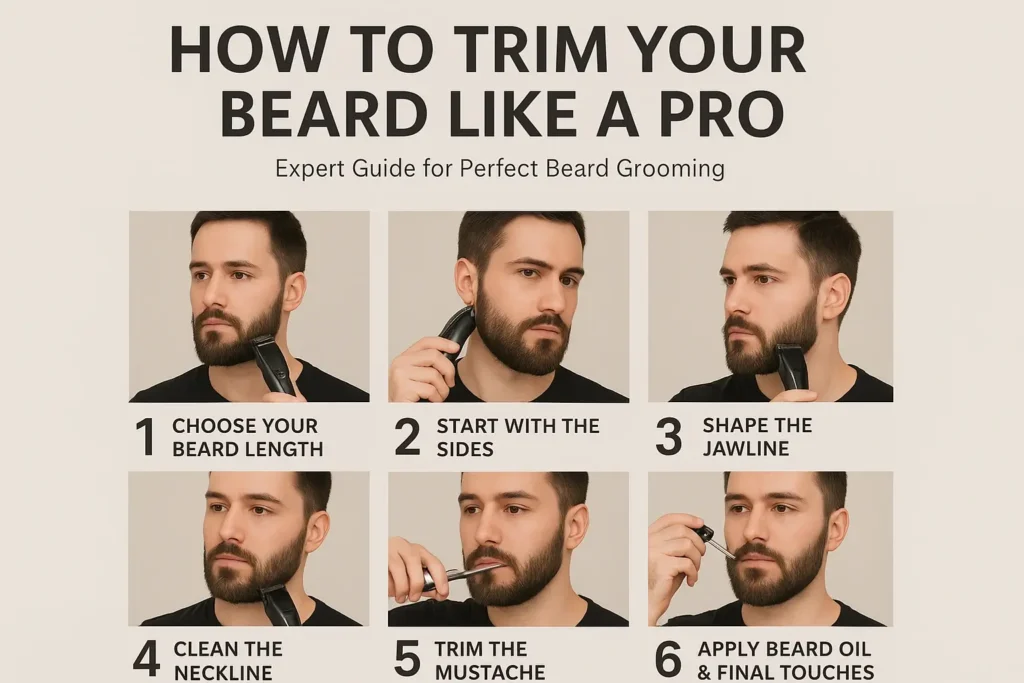
Learn how to trim your beard like a pro with expert techniques, recommended tools, and step-by-step guidance. Get sharper lines, cleaner fades, and a perfect beard every day.
A well-groomed beard is more than just facial hair—it’s a statement of style, confidence, and personal identity. Yet, many men struggle to maintain a beard that looks sharp, symmetrical, and professionally trimmed. You might have the right beard shape in mind, the perfect reference photos saved on your phone, or even a high-quality trimmer sitting in your bathroom. But when it’s time to trim, blend, and define those lines, things can quickly go wrong: uneven sides, patchy density, a messy neckline, or a mustache that doesn’t quite match the rest of your look.
The truth is, beard trimming is both a skill and an art, but it’s far easier to master than most men think. With the right techniques—and the right tools—you can achieve a barbershop-quality beard at home, regardless of your beard length or style. Whether you’re aiming for sharp contours, a neatly sculpted corporate beard, natural stubble, or a full, bold look, the foundation is the same: understanding how to trim your beard like a pro.
This guide breaks down the entire process into simple, actionable steps you can start using today. You’ll learn how to prep your beard properly, choose the correct length setting, trim with precision, shape your neckline and cheek lines, and finish with the right grooming products. We also cover the most common mistakes men make—so you can avoid them—and share insider barber techniques that give your beard a clean, natural, expertly blended look.
By the end of this guide, you’ll not only know how to trim your beard like a pro, but you’ll also feel more confident doing it. Say goodbye to awkward cuts, uneven lines, and random trial-and-error. With the right knowledge, every trim becomes easy, predictable, and consistently sharp.
What You Need Before You Start
Before you begin trimming your beard, having the right preparation and tools is essential. A clean, well-prepped beard not only makes trimming easier but also ensures a more precise and professional-looking result. Many men skip this step and end up with uneven lines, patchy areas, or a rough finish—simply because their beard wasn’t properly prepared. To trim your beard like a pro, you need to start with the basics: the right tools, the right environment, and the right grooming routine.
Essential Tools Checklist
To achieve a clean and controlled trim, make sure you have the following grooming tools ready:
-
Beard Trimmer: A high-quality trimmer with adjustable guards allows precise control of your beard length.
-
Scissors: Useful for detailing, especially around the mustache or stray hairs.
-
Beard Comb: Helps lift the hair, remove knots, and guide your trimming lines.
-
Beard Oil or Balm: Softens the beard, reduces irritation, and keeps the hair healthy after trimming.
-
Mirror & Good Lighting: Proper visibility ensures symmetrical lines and avoids cutting too much on one side.
Pre-Trim Beard Preparation
Good preparation sets the foundation for a sharp, professional finish. Follow these simple steps:
-
Wash Your Beard: Clean your beard with warm water or beard shampoo to remove oil, dirt, and product buildup.
-
Soften the Hair: A warm towel or conditioner helps relax the beard, making it easier to trim.
-
Comb in Natural Growth Direction: Brush the beard downward and outward to reveal its true shape and length. This allows for more accurate trimming and prevents overcutting.
By preparing both your tools and your beard properly, you’re setting yourself up for a smooth trimming experience and a cleaner, sharper result—just like a professional barber.
Step-by-Step: How to Trim Your Beard Like a Pro
Trimming your beard like a professional barber doesn’t require advanced skills—just the right approach and attention to detail. Follow these step-by-step instructions to shape, define, and maintain a beard that always looks clean, sharp, and balanced.
Step 1: Choose Your Beard Length
Start by selecting the guard length on your trimmer. If you’re unsure, always begin with a longer guard—it’s easier to trim more later than to fix a beard that’s been cut too short. Determine the ideal length based on your style: stubble, short boxed, medium corporate, or full beard.
Step 2: Start With the Sides
Trim the sides first by moving the trimmer downward in smooth, controlled strokes. This helps establish your beard’s overall shape. Keep the length consistent and avoid pressing too hard, as this can create uneven patches.
Step 3: Shape the Jawline
Follow the natural curve of your jawline using gentle, upward strokes. This area helps define your overall face shape, so take your time. Blend the jawline into the sides for a natural, seamless look.
Step 4: Clean the Neckline
The neckline is one of the most important areas for a professional look. Place two fingers above your Adam’s apple—this is where your neckline should begin. Trim everything below this line, curving slightly upward toward your ears for a clean, defined shape.
Step 5: Trim the Mustache
Use scissors or a trimmer to remove hair that sits over your upper lip. Comb the mustache downward and trim lightly. Keep the edges sharp but natural to ensure they blend well with the rest of your beard.
Step 6: Detail & Blend for a Natural Look
Switch to a shorter guard to blend the sides into the chin and mustache area. This prevents harsh lines and gives your beard a smooth, barbershop-quality finish. Pay close attention to symmetry.
Step 7: Apply Beard Oil & Final Touches
Once you’re satisfied with the trim, apply beard oil or balm to moisturize the hair and skin. This reduces irritation, adds shine, and enhances the overall look of your beard. Comb through to set your final shape.
Beard Styles You Can Achieve With Proper Trimming
A well-executed trim doesn’t just keep your beard neat—it unlocks a wide range of stylish beard looks you can confidently wear. With the right shaping techniques and consistent grooming, you can easily achieve barbershop-quality beard styles at home. Below are the most popular and versatile beard styles that suit different face shapes, hair types, and personal preferences.
Short Boxed Beard
The short boxed beard is clean, sharp, and highly versatile. It features defined cheek lines, a neatly sculpted jawline, and balanced length throughout. This style works well for professional settings and suits most face shapes.
Stubble Beard
Stubble is effortless, masculine, and universally flattering. Whether you prefer light, medium, or heavy stubble, this style adds definition without requiring a full beard. It’s ideal for men with uneven beard growth or those seeking a low-maintenance look.
Full Beard
A full beard delivers a bold, mature, and powerful appearance. Proper trimming keeps it from looking messy by maintaining consistent length, soft blending, and a well-defined neckline. This style suits men with dense growth and a strong jawline.
Corporate Beard
The corporate beard is tailored, neat, and boardroom-friendly. It’s slightly longer than stubble but shorter than a full beard. Clean cheek lines and a controlled shape make it perfect for men who want a professional yet masculine look.
Circle Beard
The circle beard combines a trimmed mustache with a rounded goatee, forming a clean, circular shape around the mouth. It’s ideal for men with patchy cheeks or those who prefer a sculpted, minimalist beard style.
Expert Tips to Trim Your Beard Perfectly Every Time
Even if you have the right tools and follow the proper steps, the difference between an average trim and a professional-quality result comes down to technique. These expert tips will help you achieve a cleaner finish, sharper lines, and a beard that looks consistently well-groomed—every single time.
Trim Only When Your Beard Is Dry
Wet hair appears longer and fuller, which can mislead you into trimming more than necessary. Always trim your beard when it’s completely dry so you can see the true length and natural shape.
Start with a Longer Guard
If you’re unsure about the ideal trimming length, begin with a longer guard. You can always go shorter, but you can’t reverse a cut that’s too deep. This ensures controlled, mistake-free trimming.
Use Small, Controlled Movements
Avoid sweeping or aggressive strokes. Slow, steady upward or downward motions give you more control and reduce the risk of uneven patches or harsh lines.
Blend for a Natural Finish
Blending is one of the secrets of barbers. Use different guard lengths to create smooth transitions between the cheeks, jawline, chin, and mustache. This prevents your beard from looking “blocky” or overly sharp.
Keep the Neckline Clean and Consistent
A messy neckline can ruin even a perfectly shaped beard. Maintain it regularly and follow the “two-finger rule” above the Adam’s apple for ideal placement.
Comb Frequently While Trimming
Combing helps lift the hair, reveal uneven areas, and ensure symmetry. It also prevents you from accidentally trimming too much in one spot.
Use Beard Oil or Balm After Every Trim
Finishing your trim with beard oil or balm hydrates the hair, soothes the skin, and adds a polished, healthy shine. It also helps set the final shape of your beard.
Common Beard Trimming Mistakes to Avoid
Even the most experienced men make small mistakes that can ruin an otherwise great-looking beard. Knowing what to avoid is just as important as learning the proper techniques. Here are the most common beard trimming errors—and how to prevent them—so your beard always looks sharp, balanced, and professionally maintained.
Trimming Too Much at Once
One of the biggest mistakes is cutting off more length than intended. Beard hair doesn’t grow back overnight, so take a gradual approach. Trim lightly, check the mirror, run your fingers through the beard, and trim again only if needed.
Ignoring Beard Preparation
Trimming a dirty, tangled, or overly dry beard leads to uneven cuts and unnecessary pulling. Always wash, soften, and comb your beard before trimming to achieve a smoother, more accurate result.
Setting the Neckline Too High or Too Low
A poorly placed neckline can dramatically affect your face shape. A neckline that’s too high creates a “chin strap” look, while one that’s too low makes the beard appear sloppy. Use the two-finger rule above the Adam’s apple for the perfect placement.
Over-Trimming the Mustache
Many men trim their mustaches too aggressively, making it look thinner than the rest of the beard. Instead, trim only the hairs that fall over the lip, and blend the sides gently for a natural finish.
Using the Wrong Tools
Low-quality trimmers, dull blades, and cheap combs can result in patchy cuts and skin irritation. Invest in reliable grooming tools that offer precision and consistency—it makes a noticeable difference.
Skipping Post-Trim Care
Not applying beard oil or balm after a trim leaves your beard dry and coarse. Proper post-trim grooming nourishes the hair, prevents itchiness, and enhances the overall look of your beard.
Recommended Tools for Pro-Level Trimming
To consistently trim your beard to professional standards, using the right grooming tools is just as important as mastering the technique itself. Below are the essential tools and grooming products every man should consider investing in — tools that deliver precision, consistency, and a clean finish.
Top Beard Trimmers
A high-quality beard trimmer with adjustable guard settings is the foundation for any good beard trim. Look for models that offer multiple length guards, strong motor power, skin-safe blades, and good battery life (if cordless). These features ensure consistent trimming without tugging, pulling, or uneven lines, whether you’re going for stubble or a full beard.
Scissors & Combs
While trimmers are great for bulk removal and shaping, scissors play an important role in detailing — especially around the mustache, sideburns, and stray hairs. Pair them with a sturdy, wide-tooth beard comb to lift the beard hair, detangle knots, and guide precise cuts. A comb also helps align hairs before trimming, ensuring uniform length and symmetry.
Beard Oils & Balms
Post-trim care is crucial for beard health and appearance. Beard oils and balms nourish facial hair, hydrate the underlying skin, reduce irritation, and add a polished finish. Choose products with natural oils or butters — these keep the beard soft, manageable, and healthy-looking, especially after a trim.
Good Lighting & Mirror Setup
Many trimming mistakes are the result of poor visibility. A bright, well-lit mirror — ideally with natural or daylight-balanced light — helps you see your beard clearly, catch asymmetry, and ensure clean, even lines. Good lighting makes a significant difference in achieving a professional-quality trim.
Optional Extras: Beard Brush, Trimmer Cleaner, Neckline Razor
For guys serious about beard maintenance, a few additional tools can make grooming easier and more precise. A dedicated beard brush can help style and shape a fuller beard. A trimmer-cleaning brush keeps your tool performing well over time. A small razor or detail trimmer can help create crisp cheek lines or necklines when you want a razor-sharp finish.
Beard Maintenance Routine for Long-Term Results
A great beard isn’t created by one perfect trim—it’s the result of a consistent, well-planned maintenance routine. By taking care of your beard daily, weekly, and monthly, you’ll keep it healthy, sharp, and easy to manage. Here’s a simple yet highly effective routine to ensure long-term beard growth and grooming success.
Daily Care: Keep Your Beard Clean & Hydrated
Your daily routine should focus on cleanliness and hydration. Wash your beard with a gentle beard wash or cleanser to remove sweat, dirt, and oil buildup. Follow up with beard oil to soften the hair, moisturize the skin underneath, and reduce itchiness. Comb your beard to distribute the oil evenly and maintain a tidy shape throughout the day.
Weekly Trimming: Maintain Shape & Freshness
Even if you’re growing your beard out, you should still trim it weekly to keep it looking controlled and intentional. Clean up stray hairs, maintain the cheek lines, and refresh the neckline. Use scissors to refine the mustache area and remove any hairs sticking over the lip. Weekly maintenance trimming prevents your beard from looking bushy or uneven.
Deep Conditioning: Restore Softness & Strength
Once a week or as needed, apply a deep-conditioning beard treatment or balm. This helps repair dryness, prevents breakage, and keeps the hair soft and manageable. Deep conditioning is especially important for men with coarse, curly, or long beards.
Monthly Shape Refinement: Keep It Professional
Every few weeks, take time to reassess your beard shape. As hair grows, the beard can lose structure, especially around the jawline and sides. Use your trimmer and guards to rebalance the length and maintain your desired style. This step ensures your beard remains clean and well-defined over time.
Lifestyle Habits: Support Healthy Beard Growth
Healthy beard growth depends on overall wellness. Stay hydrated, maintain a nutrient-rich diet, and get enough sleep. Regular exercise and reduced stress levels also improve beard density and growth rate. Your grooming routine works best when supported by strong lifestyle habits.

Adam Lee is a personal care enthusiast and a veteran of the traditional wet shaving community, with over 10 years of experience testing artisanal and heritage soaps, aftershaves, and razors. At Men Review Hub, he personally puts every product through a minimum 30-day real-world trial to ensure you get an honest, practical look at what truly deserves a spot in your bathroom cabinet.