
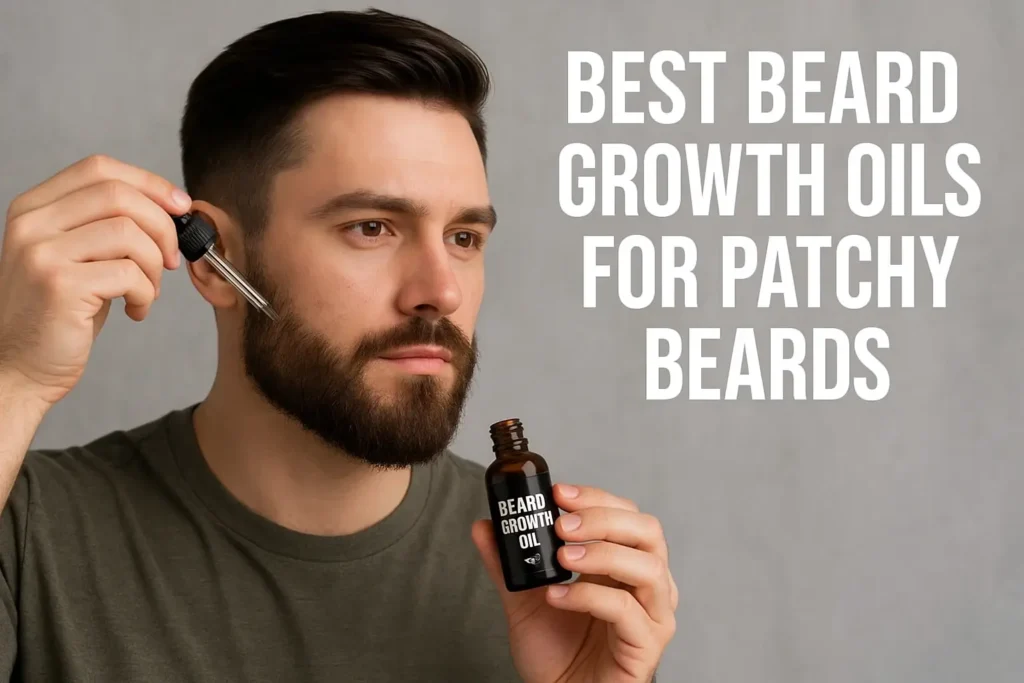
The Insider’s Guide: Best Beard Growth Oils for Patchy Beards
We’ve put this together from years of real-world grooming experience, combining detailed ingredient analysis with a solid understanding of what actually nourishes facial hair. Our goal is simple: to help you make an informed choice so you can optimize your hair growth potential without the frustration.
🔍 Inside Our Evaluation Process
To provide truly helpful recommendations, we analyzed 12 top-rated formulations over a 6-week period. Every beard oil included in this guide was closely evaluated based on critical real-world criteria:
✔ Active Essential Oils
✔ Skin Compatibility
✔ Absorption Speed
✔ 24-Hour Hydration
⚡ The Shortlist: Top Picks for Patchy Beards
If you’re tired of thin spots and want to know what works best for your specific beard type, here are our top-tier recommendations:
| Product | Best For | Key Ingredients | Scent Profile | Rating |
|---|---|---|---|---|
| Honest Amish | Dry skin & overall health | Jojoba, Argan, Kukui | Natural, Mild Cedar | ⭐ 5.0 |
| Wild Willies | Stubborn patches | Peppermint, Rosemary, Castor | Fresh Peppermint | ⭐ 4.5 |
| Viking Revolution | Budget daily care | Jojoba, Argan oil base | Unscented / Clean | ⭐ 4.0 |
| Bossman Jelly | Coarse, dry hair | Castor, Sunflower seed oil | Warm Sandalwood | ⭐ 4.5 |
- The Natural Gold Standard (Best Overall): Honest Amish Beard Oil. Packed with organic botanicals, it deeply hydrates the skin to create a healthy environment for your hair to grow to its full potential.
- The Active Stimulator (Best for Thin/Patchy): Wild Willies Beard Growth Oil. Utilizes Peppermint and Rosemary oils to support skin circulation, helping to nurture slow-growing, weak follicles.
- The Everyday Workhorse (Best Value): Viking Revolution Beard Oil. Highly affordable and lightweight. It softens coarse facial hair and stops intense beard itch in its tracks.
- The Deep Hydrator (Premium Choice): Bossman Beard Growth Oil. A thicker “Jelly” formula that clings to the hair shaft, giving coarse or dry beards deep, long-lasting moisture.
1. The Root of the Issue: Why Are Patchy Beards So Common?
Before investing in beard oils, it helps to understand why those frustrating gaps happen in the first place.
According to dermatological insights from authorities like the American Academy of Dermatology (AAD), facial hair patterns are determined by several interconnected factors:
- Genetics: The density of your hair follicles and how they react to hormones like dihydrotestosterone (DHT) are heavily dictated by your DNA.
- Dormant Follicles: Some areas may host light, thin “vellus” hairs (peach fuzz) that haven’t fully transitioned into thick, dark terminal beard hairs.
- Poor Skin Health: Dry, inflamed, or flake-ridden skin beneath the beard forms an unsupportive environment for optimal follicle productivity.
- Lifestyle Stressors: Chronic stress, insufficient sleep, and nutritional deficiencies can disrupt natural hormone levels, indirectly slowing down hair vitality.
- Harsh Grooming Products: Regular bar soaps and synthetic body shampoos strip away the sebum your skin naturally secretes to shelter hair strands.
A premium oil cannot alter your genetic blueprint or create new follicles out of thin air—but it is formulated to optimize the skin conditions you have, encouraging existing follicles to perform at their highest capacity.
2. Let’s Clear the Air: Do Growth Oils Actually Work?
There’s a lot of exaggerated marketing in the grooming industry. Let’s break down realistic expectations so you can spend your money wisely.
3. The Science: Ingredients with Proven Benefits
When assessing formulas, we avoid synthetic fills and prioritize organic botanical blends backed by established clinical data. Here is what you should actively look for on product labels:
🔬 The Stimulators
Active botanicals that help support optimal follicle activity:
- Rosemary Oil: Backed by a landmark 2015 comparative clinical study showing it can be highly effective at encouraging hair density over a 6-month trial.
- Peppermint Oil: Provides a gentle cooling sensation that supports microcirculation at the root base.
- Castor Oil: Rich in ricinoleic acid, highly regarded for coating and visually thickening hair shafts.
🛡️ The Carriers
The liquid baseline that safely absorbs into the dermis without blocking pores:
- Jojoba Oil: Structurally mimics human sebum almost perfectly, providing balanced dermal hydration.
- Argan Oil: Exceptionally high in Vitamin E to soften rough, wire-like beard hairs.
- Sweet Almond Oil: Improves hair elasticity to defend against breakage during combing.
💊 The Nutrients
Vital building blocks that reinforce hair strands from within:
- Vitamin E: A powerful antioxidant that helps counteract environmental oxidative stress on skin.
- Biotin: Supports the natural keratin infrastructure of facial hair fibers.
4. The Deep Dive: Reviewing the Best Growth Oils
After filtering ingredients, completing hands-on texture assessments, and cross-checking user feedback, here is our honest, detailed breakdown of the top formulations on the market.
4.1. Honest Amish Beard Oil – The Undisputed Best Overall
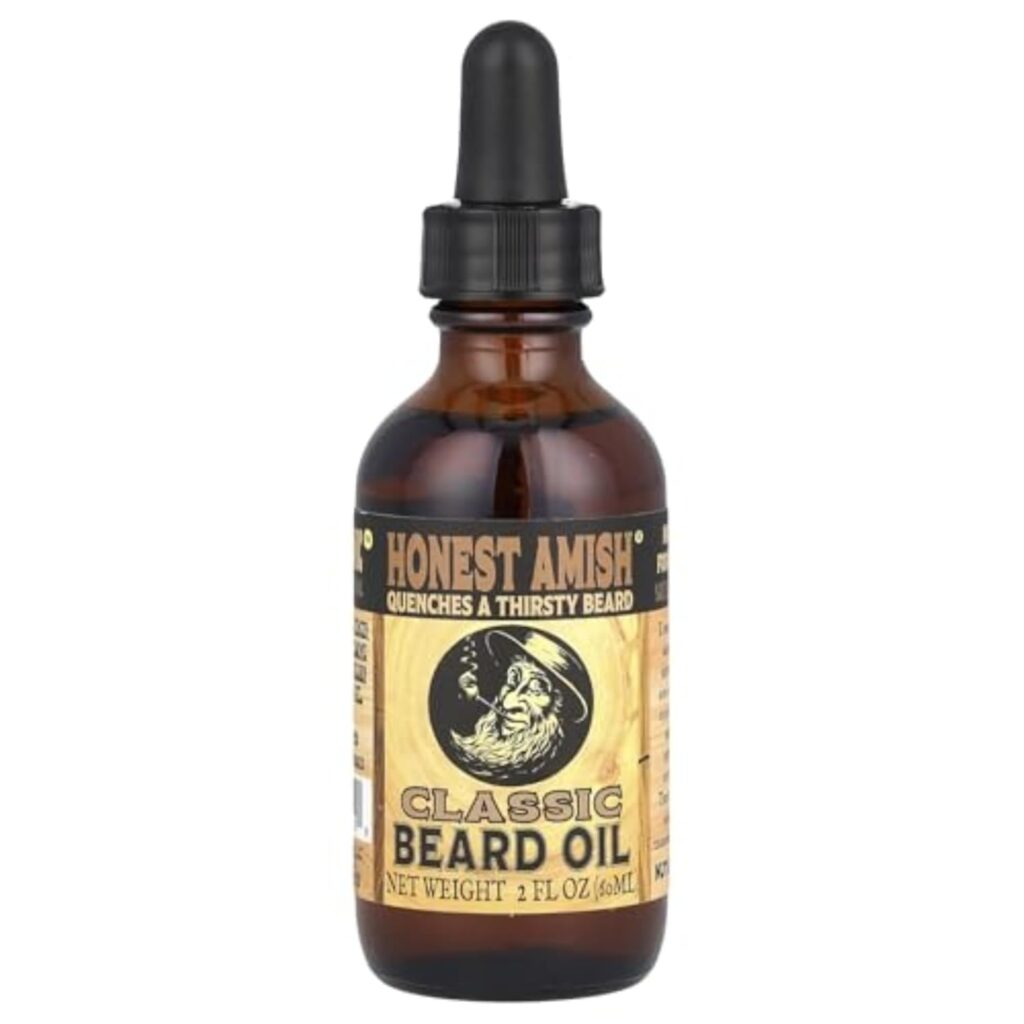
Why it stands out: Honest Amish is a premium fixture in the beard community. They avoid synthetic silicone bases, relying entirely on raw, organic ingredients that sink deeply into dry skin rather than just evaporating off the surface.
Pros
- 100% organic, hand-crafted botanical base.
- Incredibly effective at eliminating severe skin dryness.
- Absorbs quickly without leaving a heavy, oily residue.
Cons
- The natural licorice/woodsy aroma may not appeal to everyone.
- Standard glass bottle lacks a precise dropper cap.
🎯 Ideal For: Men whose hair growth feels limited by dry, itchy, or sensitive skin underneath their beard. (Rating: ⭐ 5.0)
🚫 Skip If: You prefer unscented products or want a modern, cologne-style fragrance profile.
4.2. Wild Willies Beard Growth Oil – Best for Stubborn Patches
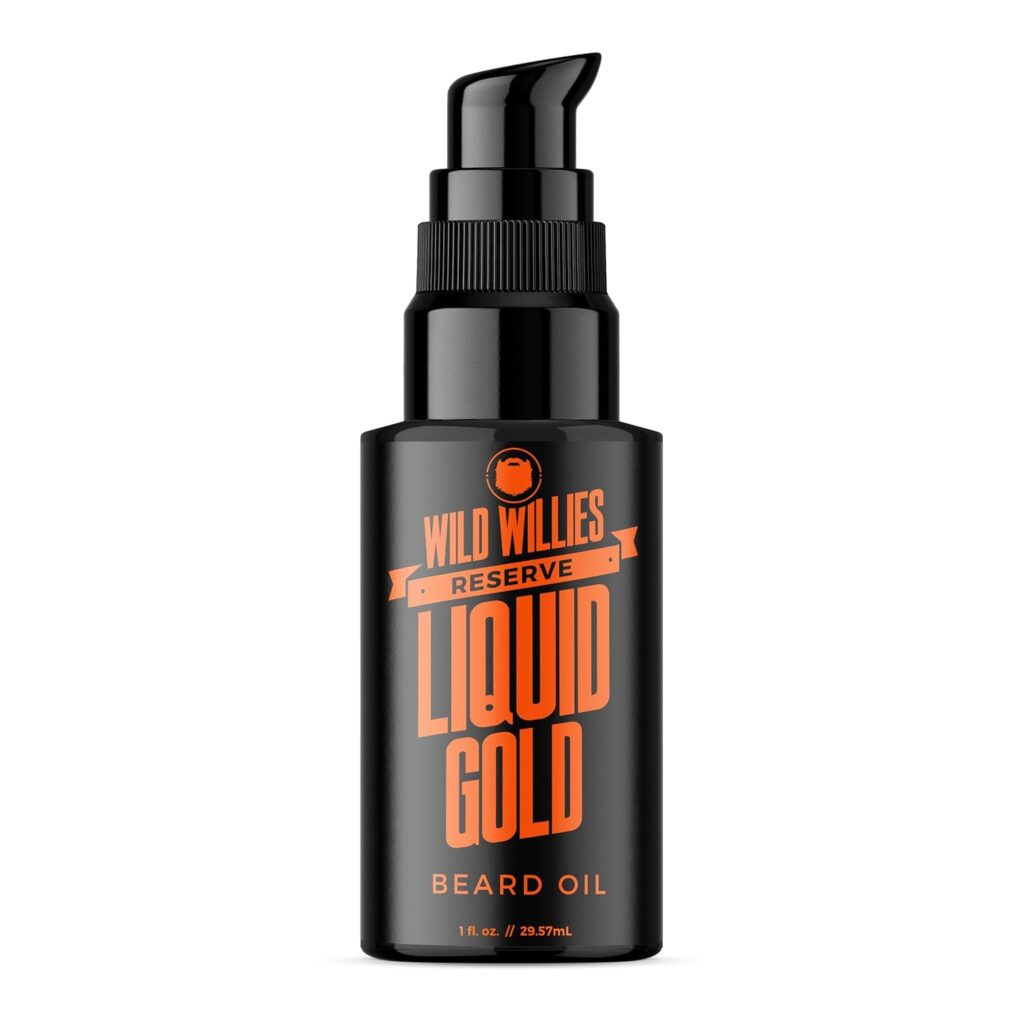
Why it stands out: Unlike general baseline moisturizers, Wild Willies focuses on stimulating follicle potential. It leverages peppermint and rosemary essential oils to provide a clean tingle that helps support blood flow and skin health directly at the roots.
Pros
- Formulated with active, study-backed hair botanicals.
- Invigorating minty sensation reassures application focus.
- Includes castor oil to strengthen thin hair shafts.
Cons
- The peppermint tingle can feel intense for ultra-sensitive skin.
- The texture is slightly more viscous than basic daily oils.
🎯 Ideal For: Genuinely committed growers dealing with patchy, thin, or slow-moving beard growth zones. (Rating: ⭐ 4.5)
🚫 Skip If: Your facial skin is highly reactive or prone to tingling irritations from fresh menthol properties.
4.3. Viking Revolution Beard Oil – The Solid Budget Pick
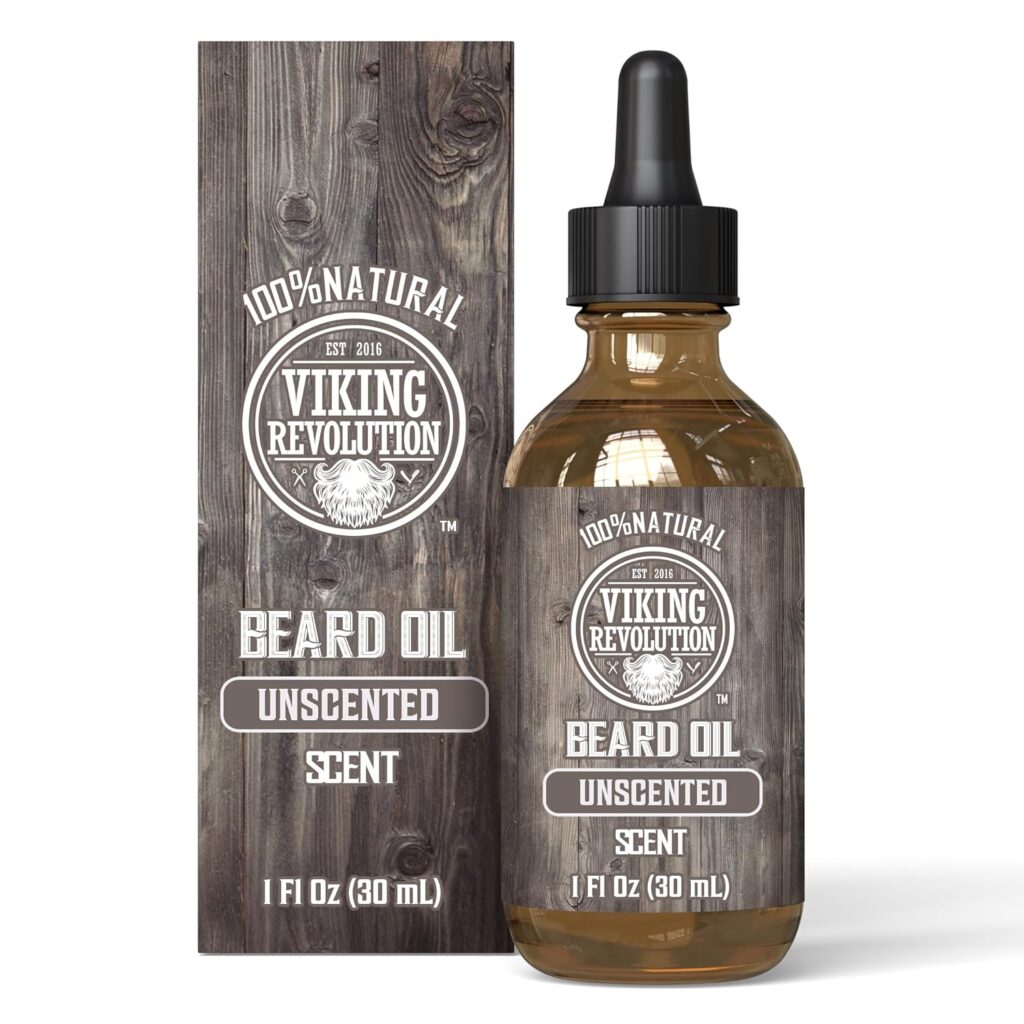
Why it stands out: Growing a healthy beard doesn’t have to require a massive financial investment. Viking Revolution provides a highly dependable, non-clogging formula that serves as an excellent foundation for daily styling and basic maintenance.
Pros
- Highly accessible pricing for daily, unsparing use.
- Completely unscented option doesn’t clash with fine colognes.
- Instantly tames unruly flyaways and surface frizz.
Cons
- Lacks specialized, active growth stimulants like Rosemary.
- Requires more frequent reapplication in dry winter climates.
🎯 Ideal For: Beginners who want a simple, budget-friendly foundation to stop beard itch. (Rating: ⭐ 4.0)
🚫 Skip If: You want a formula designed specifically to stimulate lagging or uneven areas.
4.4. Bossman Beard Growth Oil – The Heavy-Duty Hydrator
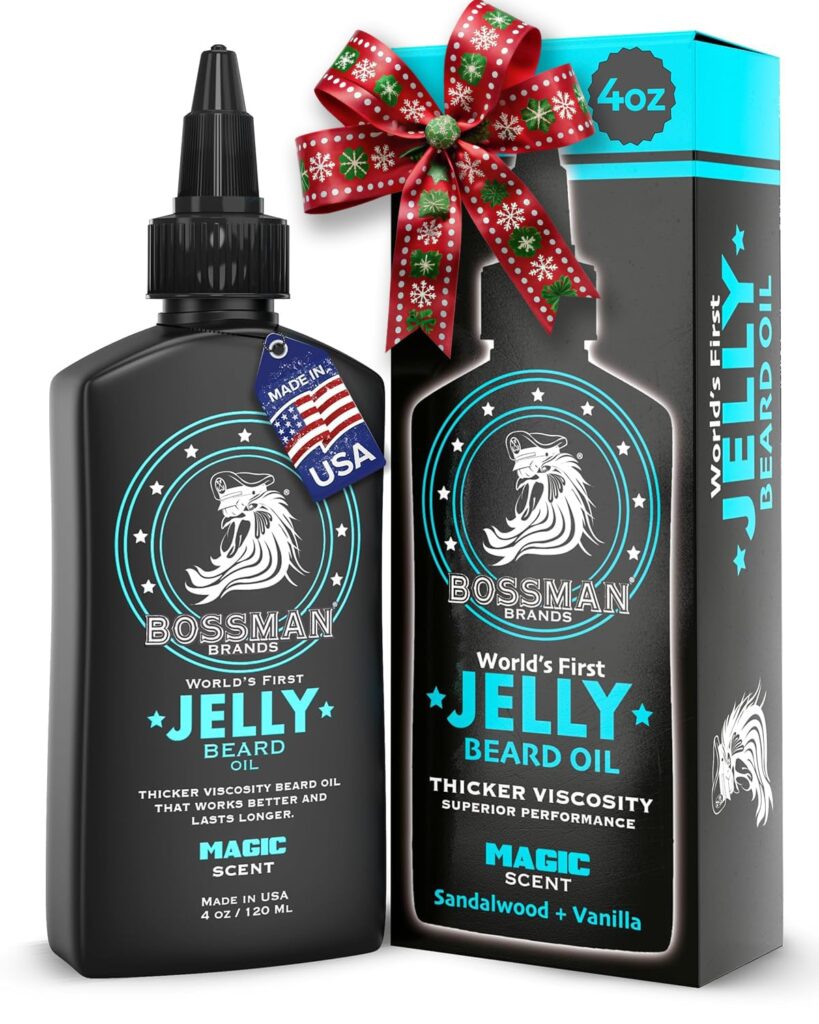
Why it stands out: Bossman broke standard molds by engineering an oil “Jelly”. This thicker premium formula clings closely to individual wiry hairs and stays bound to dry areas longer, providing comprehensive all-day hydration.
Pros
- Jelly viscosity lasts much longer than thin, watery oils.
- Instantly bulks up the look of thin, wispy sections.
- Superb control and styling support for longer beards.
Cons
- Can feel too heavy or greasy if you naturally have very oily skin.
- Requires a few extra seconds to fully massage out.
🎯 Ideal For: Men with long, exceptionally coarse, or dry beards that require thick moisture locks. (Rating: ⭐ 4.5)
🚫 Skip If: You have an ultra-short stubble beard or deal with frequent facial acne breakouts.
5. Head-to-Head: Choosing Between the Top Contenders
Stuck between formulas? Let’s simplify your decision based on your primary facial grooming goals:
Honest Amish vs. Wild Willies
Choose Honest Amish if your skin is prone to flaking or redness and you want purely organic hydration. Opt for Wild Willies if your skin can handle a refreshing minty tingle and your primary goal is actively addressing stubborn, uneven patches.
Viking Revolution vs. Bossman Jelly
Choose Viking Revolution if you are in the early stubble phase and need an affordable, lightweight oil that absorbs instantly. Choose Bossman Jelly if you already have a medium-to-long beard that feels wiry, dry, or difficult to shape.
6. Oil vs. Balm vs. Serum: What’s the Difference?
Using the wrong tool for your goals can slow your results. Here is exactly how these staple options stack up:
💧 Beard Oil
Primary Goal: Dermal conditioning & follicle health.
Growth Support: ⭐⭐⭐⭐
The Essential Base: Liquid consistency allows it to bypass hair and absorb straight into the skin to solve patchiness at the root.
🧴 Beard Balm
Primary Goal: Styling hold & taming stray hairs.
Growth Support: ⭐⭐
The Sculptor: Contains heavy beeswax or butter. Excellent for shaping longer hair, but too thick to efficiently nourish deep skin layers.
🧪 Beard Serum
Primary Goal: Targeted, highly technical growth stimulation.
Growth Support: ⭐⭐⭐⭐⭐
The Booster: Water- or alcohol-based formulas usually packed with peptides or active compounds meant purely to prompt follicle work.
7. The Routine: How to Apply Oil Like a Pro
Even the most effective formulas will underperform if you simply coat the outside of a dirty beard. Follow this systematic daily routine:
The Correct 6-Step Application
- The Clean Slate: Wash away dead skin buildup using a sulfate-free beard wash to open target pores.
- The Damp Prep: Towel dry gently until your beard is slightly damp. Modest surface humidity assists oil absorption.
- The Right Dose: Place 3–5 drops of premium oil into your hands (scale up slightly if dealing with a long beard).
- Target the Roots: Rub your hands together and massage your palms and fingertips directly into the skin base, prioritizing patchy zones.
- Coat the Shafts: Smooth your remaining palm residue outward down the length of your beard hair.
- Distribute Evenly: Run a high-quality boar bristle brush through your beard to spread the oil evenly and keep hairs lying flat.
8. The Pitfalls: Mistakes That Sabotage Your Growth
Avoid these common errors that can delay your grooming progress:
- Over-applying Oil: Excess oil can saturate pores, potentially triggering minor breakouts or blackheads.
- Ignoring the Skin Surface: Simply spreading oil across the outer layer of hair leaves the actual follicle base dry and unnourished.
- Stopping Too Soon: Facial hair typically grows at around half an inch per month. Consistency over a few weeks is required to see progress.
- Using Cheap Synthetic Fillers: Formulas built on petroleum or heavy silicones coat the skin like plastic wrap rather than absorbing properly.
9. Common Questions from the Barbershop
How long does it take to see results on patchy areas?
With consistent, daily application, most men begin to notice improved skin health and a softer, fuller-looking appearance within 4 to 8 weeks.
Can beard oil create hair follicles in completely bald spots or scars?
No. Topical oils can only condition and support existing, active hair follicles. If an area completely lacks hair follicles due to genetics or deep scarring, an oil cannot create new ones.
Can I use a natural beard oil if I am currently applying Minoxidil?
Yes, but it is best to separate your applications. Apply your minoxidil treatment first, let it dry completely (typically around 2 to 4 hours), and then follow up with beard oil to counteract any dryness caused by the treatment.
Can beard oil clog my pores and cause facial acne?
Only if you use formulas containing heavy comedogenic elements (like synthetic oils) or apply too much. Choosing oils made with non-comedogenic bases like Jojoba keeps pores clear.
How many drops of beard oil should I realistically use daily?
For short stubble, 2 to 3 drops is plenty. A baseline medium beard generally requires 4 to 6 drops, while long, full beards may need 6 or more drops to ensure full coverage.
10. The Final Word on Patchy Beards
Addressing a patchy beard begins with supporting the skin underneath. Incorporating a high-quality oil into your routine helps establish the healthy foundation needed for your facial hair to thrive.
- ✔ For a reliable, 100% organic approach, Honest Amish remains a top choice.
- ✔ If you want a formula that focuses on active root stimulation, consider Wild Willies.
- ✔ If your beard is long and coarse, Bossman Jelly delivers excellent, long-lasting hydration.
🔗 Keep Building Your Routine: Choosing the right oil is just one part of effective beard care. To keep your skin clear, check out our comprehensive review of the Best Natural Beard Washes & Shampoos. If you suffer from shaving irritation around your neckline, minimize razor burn with our top picks for the Best Calming Aftershaves for Men. And when it’s time to style your growth, find the perfect tool in our guide to the Best Cordless Beard Trimmers.
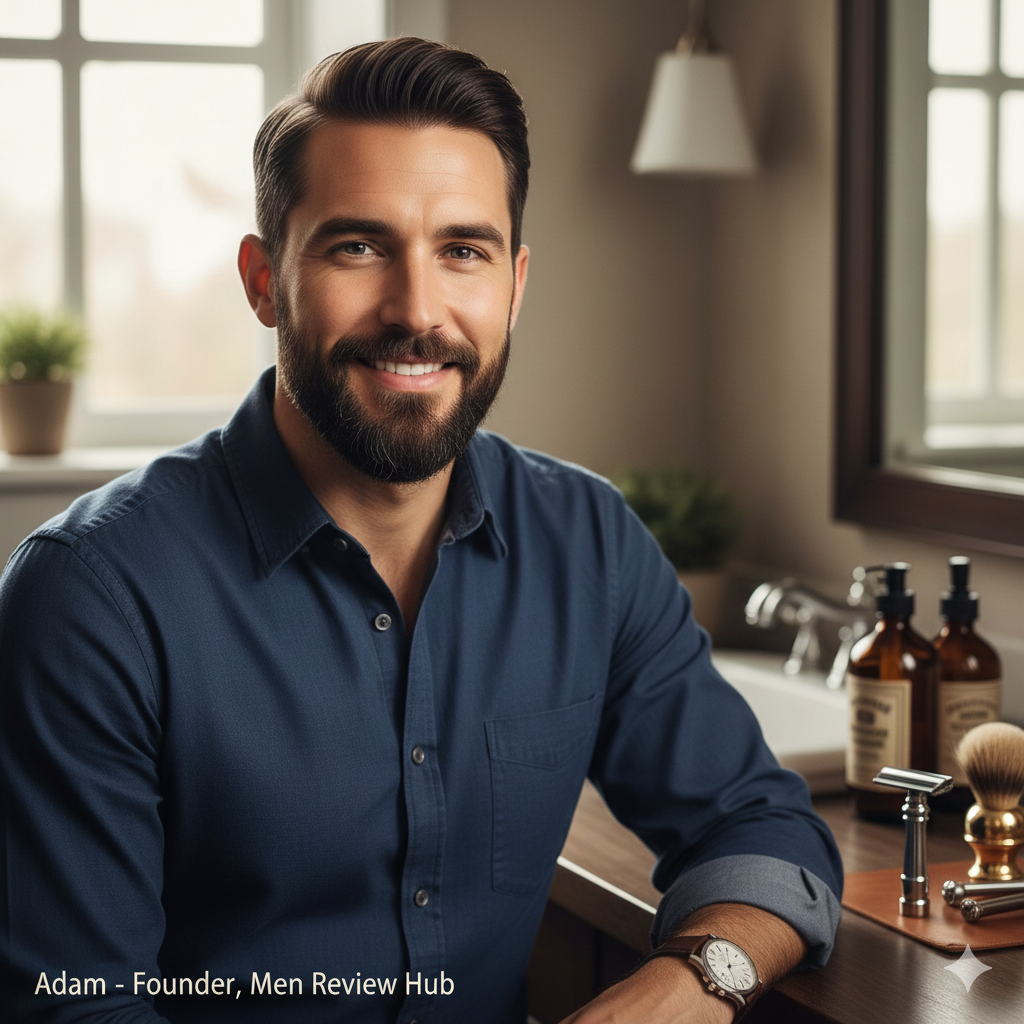
“Adam Lee is the lead technical reviewer at MenReviewHub and a veteran of the traditional wet shaving community. With over a decade of hands-on experience, Adam specializes in dissecting high-performance grooming hardware and dermatological skincare. He doesn’t just ‘read the box’—he puts every product through a brutal 30-day real-world trial to ensure your morning routine is a tactical success, not a crime scene.”