
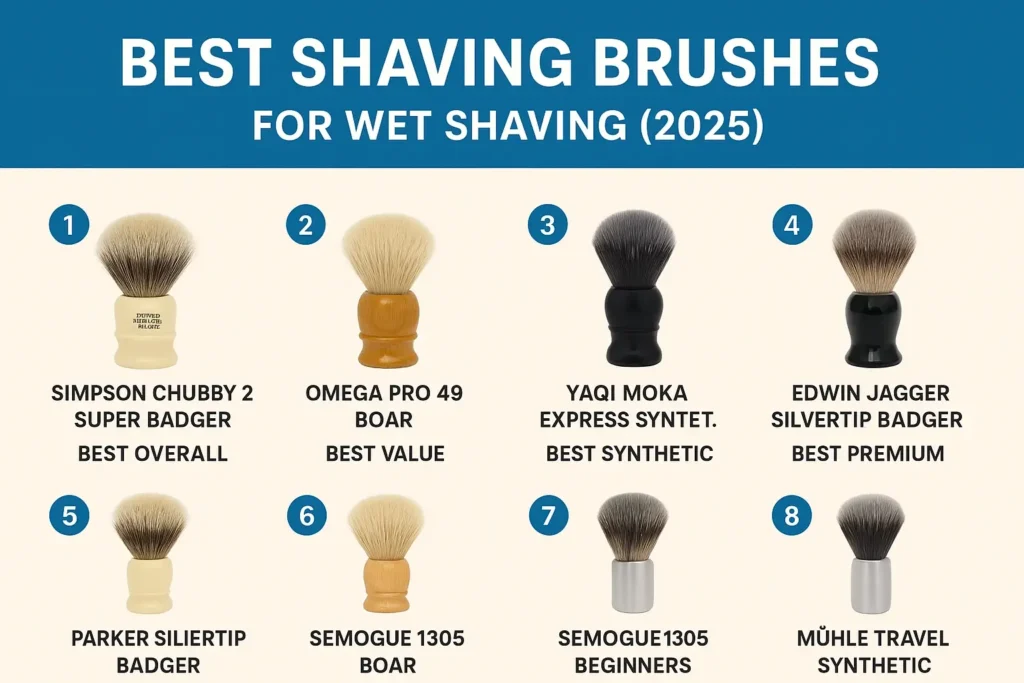
Discover the best shaving brushes for wet shaving. Expert reviews of badger, boar & synthetic brushes. Find the perfect brush for a smoother shave.
For wet shaving enthusiasts, choosing the right shaving brush can completely transform the daily grooming ritual. A great wet shaving brush doesn’t just create a rich lather—it exfoliates your skin, lifts your beard hair, softens stubble, and provides a smoother, irritation-free shave. In 2025, the market is overflowing with traditional badger brushes, boar bristles, and increasingly popular synthetic knots. But which one truly delivers the best performance?
In this professional shaving brush review, we tested and compared the best shaving brushes available today—analyzing build quality, knot density, water control, lathering efficiency, user comfort, and price-to-performance value. Whether you’re a beginner or a seasoned wet shaver, this guide will help you find the perfect brush.
Top 7 Best Shaving Brushes for Wet Shaving
Below are the brushes that stood out the most during performance testing. These are the models that consistently delivered excellent lather, strong backbone, and a luxurious shaving experience.
1. Simpson Chubby 2 Super Badger – Best Overall Shaving Brush
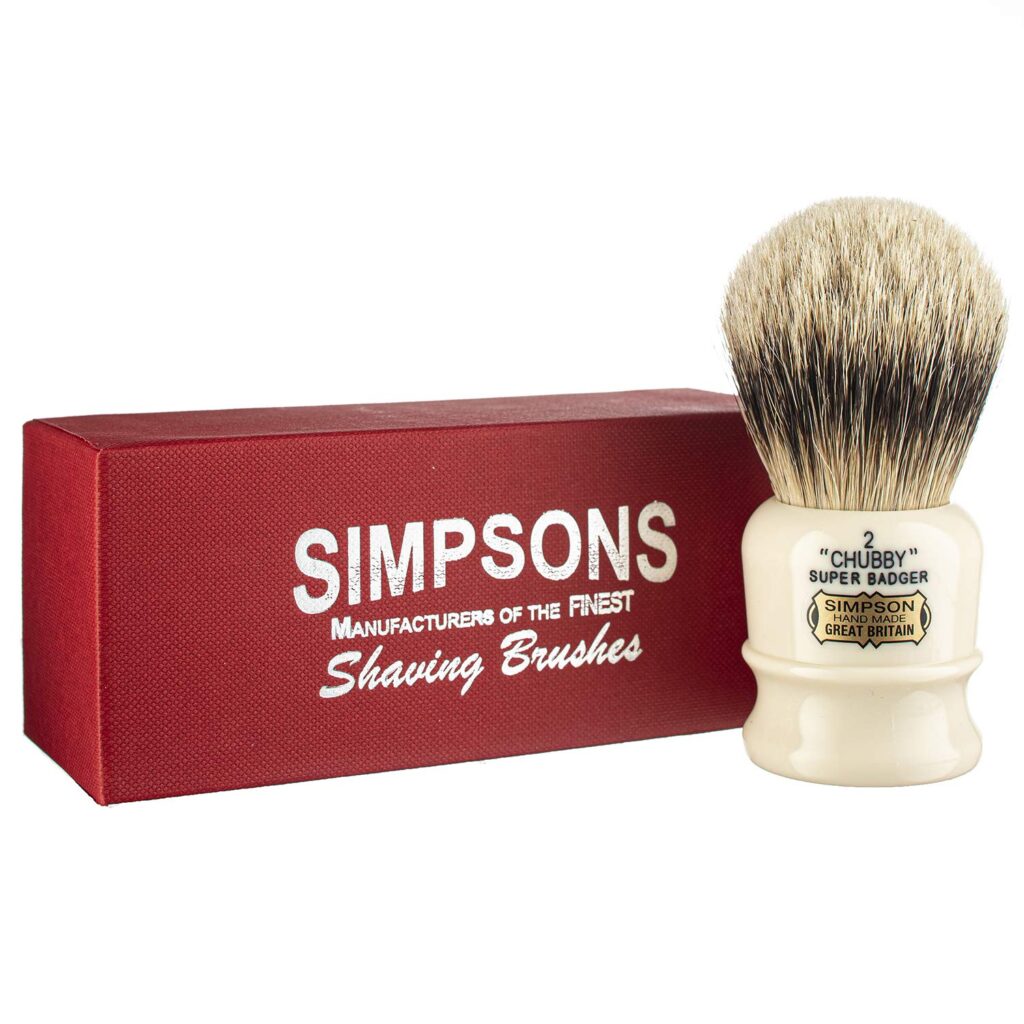
If you search for the best shaving brushes worldwide, Simpson’s name always appears—and for good reason. The Simpson Chubby 2 Super Badger remains the gold standard of premium shaving tools.
Why It Stands Out
-
Incredibly dense knot for elite-level lather production
-
Super-soft tips that glide smoothly
-
Exceptional water retention
-
Durable hand-crafted handle
The Chubby 2 excels with creams, hard soaps, and face-lathering. It gives a luxurious, cushiony lather that even high-end synthetics struggle to replicate.
Pros
-
Extremely dense knot
-
Silky softness, perfect for sensitive skin
-
Remarkable durability
Cons
-
Expensive
-
May feel too dense for beginners
Best For: Shavers seeking a premium, luxury badger brush offering maximum lather quality.
2. Omega Pro 49 Boar Brush – Best Value Shaving Brush
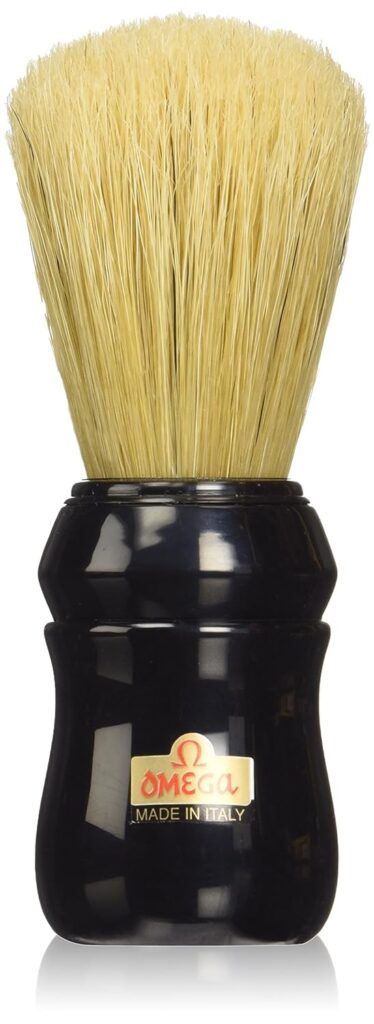
Among best boar shaving brush options, the Omega Pro 49 remains unbeatable in value and performance.
Why It Stands Out
-
Extra-long boar bristles whip up thick lather quickly
-
Strong backbone for exfoliation
-
Breaks in naturally, becoming softer with use
-
Affordable price for high-level performance
It’s a classic choice for wet shavers who love a firm, scrubby feel.
Pros
-
Excellent for hard soaps
-
Budget-friendly
-
Durable Italian craftsmanship
Cons
-
Requires a break-in period
-
Not as soft as badger or synthetic initially
Best For: Beginners and experienced shavers wanting maximum performance for under $20.
3. Yaqi Moka Express Synthetic – Best Synthetic Shaving Brush
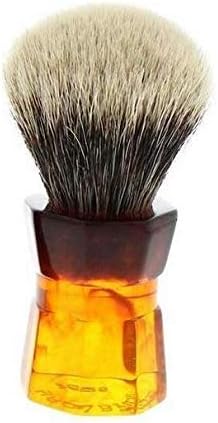
Synthetic knots have improved dramatically in the past few years, and the Yaqi Moka Express takes the lead as the best synthetic shaving brush of 2025.
Why It Stands Out
-
Fast-drying fibers are ideal for travel
-
Zero animal odor
-
Soft tips with great backbone
-
Creates instant, voluminous foam
Synthetic brushes are perfect for vegans, frequent travelers, and wet shavers wanting low maintenance.
Pros
-
Extremely soft tips
-
Works with creams and soaps
-
No break-in required
Cons
-
Not as absorbent as badger
-
Lightweight feel may not suit everyone
Best For: Users seeking a cruelty-free, high-performance, all-around brush.
4. Edwin Jagger Silvertip Badger – Best Premium Brush
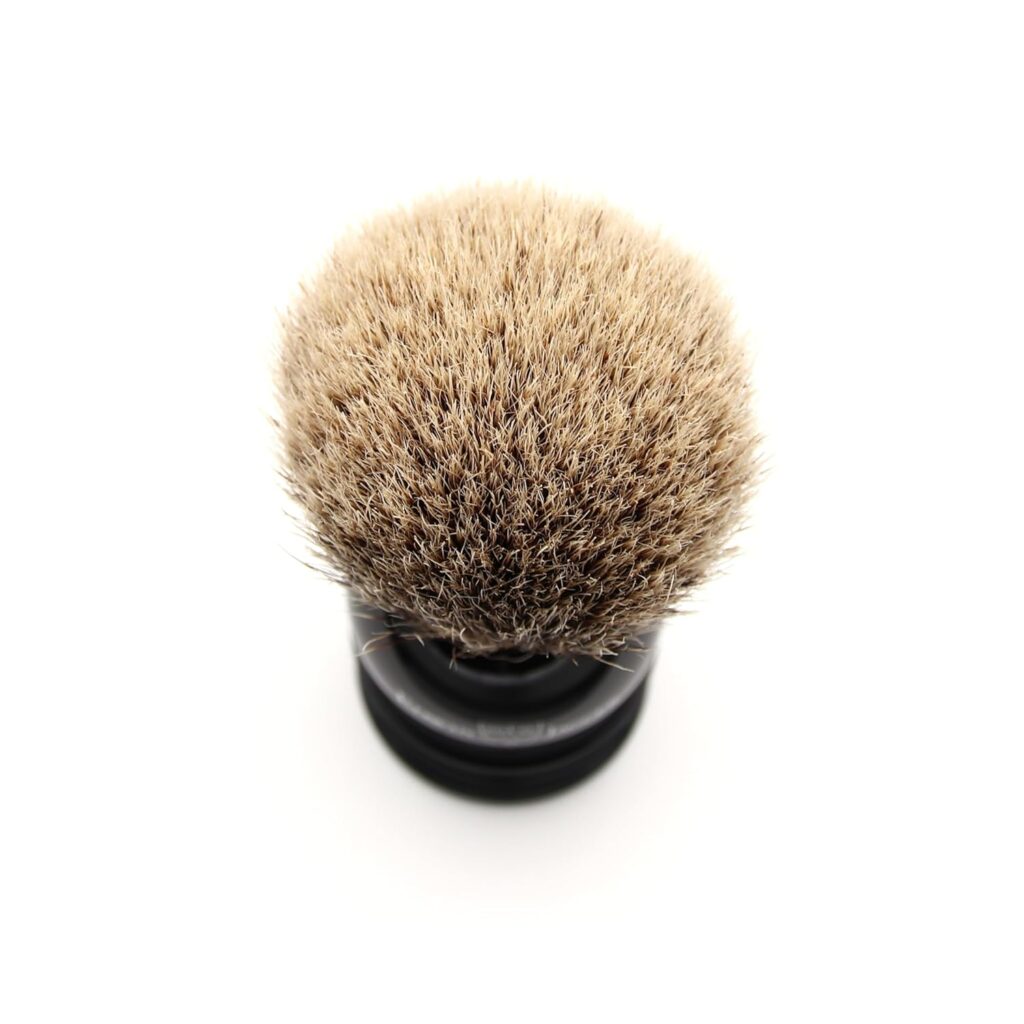
If luxury is your priority, the Edwin Jagger Silvertip offers one of the richest shaving experiences available.
Why It Stands Out
-
Finest silvertip badger hair
-
Feathery softness
-
Superb water holding capacity
-
Perfect for bowl and face lathering
This brush produces a creamy, cloud-like lather almost effortlessly. It’s one of the most refined tools in the premium shaving market.
Pros
-
Ultra-soft
-
Great for sensitive skin
-
Beautiful craftsmanship
Cons
-
Expensive
-
Delicate if mishandled
Best For: Wet shavers who want a true luxury grooming product.
5. Parker Silvertip Badger Brush – Best for Sensitive Skin
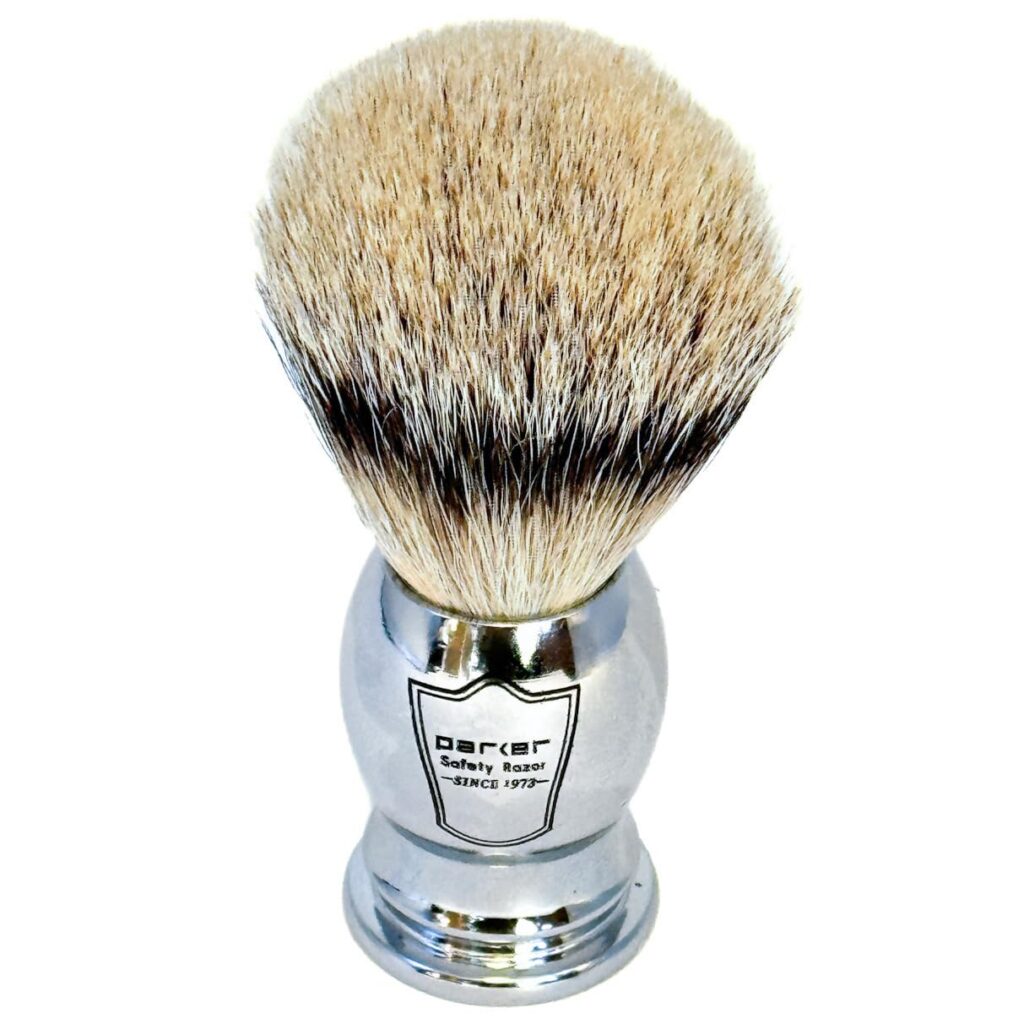
Many wet shavers struggle with irritation. If you need a brush that’s gentle yet effective, the Parker Silvertip is ideal.
Why It Stands Out
-
Very soft silvertip tips
-
Gentle on redness-prone skin
-
Solid, ergonomic handle
It produces a slick lather that glides easily and reduces razor burn.
Pros
-
Extremely soft
-
Perfect for daily shaving
-
Good price for silvertip quality
Cons
-
Not much exfoliation
-
Slightly less dense than premium badger models
Best For: Sensitive skin users wanting a soft, cushiony feel.
6. Semogue 1305 Boar Brush – Best for Beginners
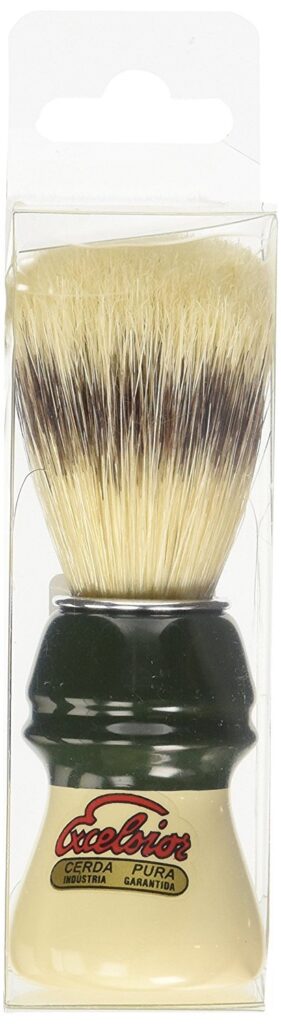
The Semogue 1305 is often recommended for beginners thanks to its ease of use and break-in friendliness.
Why It Stands Out
-
Comfortable wooden handle
-
Well-balanced bristle backbone
-
After a break-in, it becomes wonderfully soft
A great starting point for anyone entering the world of traditional wet shaving.
Pros
-
Affordable
-
Great backbone
-
Long-lasting
Cons
-
Requires break-in
-
Paint may chip if soaked too deeply
Best For: First-time wet shavers wanting a quality boar brush.
7. Mühle Travel Brush (Synthetic) – Best Travel Shaving Brush
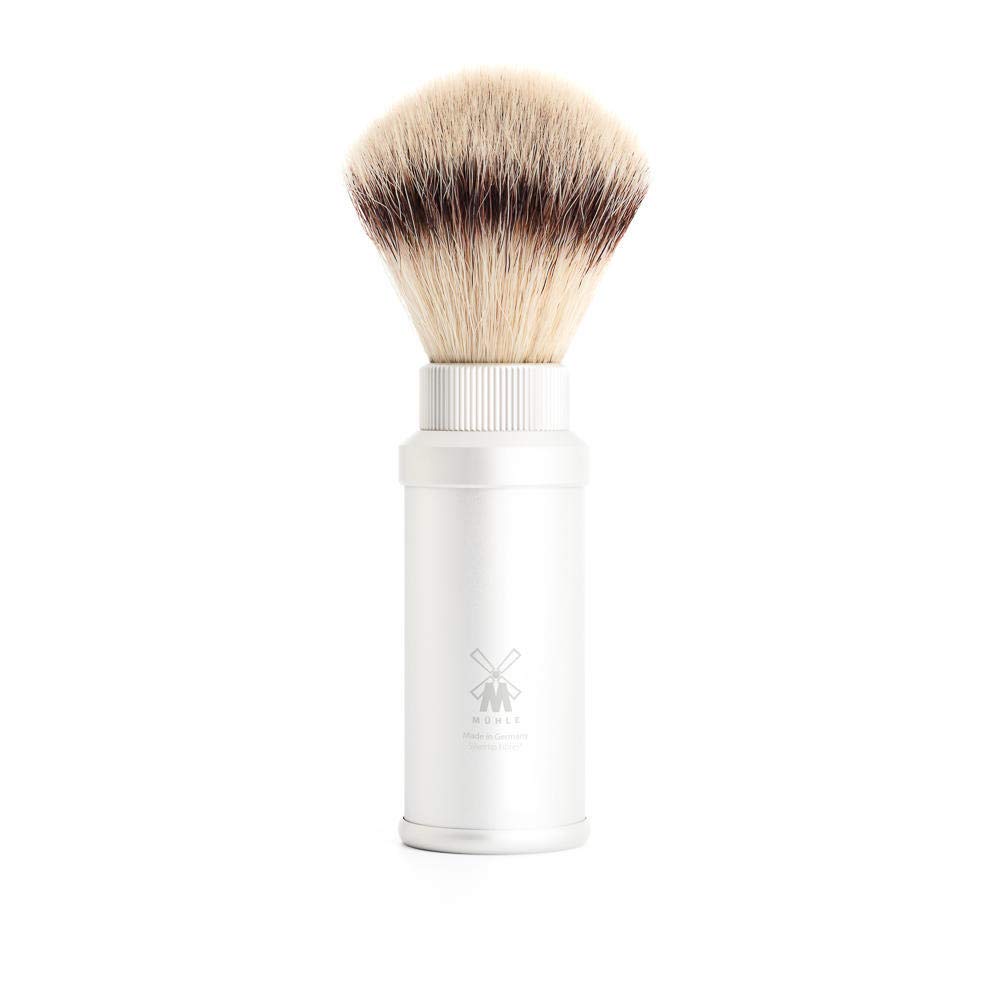
For users who shave on the go, the Mühle Travel Brush is compact yet powerful.
Why It Stands Out
-
Screw-on protective tube
-
Fast-drying synthetic knot
-
Works well with limited travel space
Pros
-
Ultra-portable
-
Lathers fast
-
Durable
Cons
-
Smaller handle
-
Not ideal as a daily home brush
Best For: Travelers needing a compact wet shaving brush that performs consistently.
Comparison Table – Best Shaving Brushes
| Model | Type | Knot Size | Best For | Price | Rating |
|---|---|---|---|---|---|
| Simpson Chubby 2 | Super Badger | 27mm | Premium users | High | 9.8/10 |
| Omega Pro 49 | Boar | 26mm | Value seekers | Low | 9.4/10 |
| Yaqi Moka Express | Synthetic | 24mm | All-round use | Low | 9.5/10 |
| Edwin Jagger Silvertip | Silvertip | 22mm | Luxury performance | High | 9.6/10 |
| Parker Silvertip | Silvertip | 24mm | Sensitive skin | Medium | 9.3/10 |
| Semogue 1305 | Boar | 22mm | Beginners | Low | 9.2/10 |
| Mühle Travel Brush | Synthetic | 21mm | Travel | Medium | 9.0/10 |
How to Choose the Best Shaving Brush – Buyer’s Guide
Choosing the best shaving brush can significantly enhance your wet shaving experience. A high-quality brush doesn’t just create lather—it exfoliates your skin, lifts stubble, softens tough beard hairs, and helps your razor glide more smoothly. Below is the complete guide on how to choose the right wet shaving brush for your beard type, skin type, and shaving style.
1. Know the Different Brush Hair Types
The bristle material is the most important factor when choosing a shaving brush. Each type has a distinct feel, water-retention ability, and lathering performance.
a. Badger Hair – The Gold Standard
Badger hair remains the most premium option in the shaving world. It’s known for excellent water retention and luxurious softness.
Types of Badger Hair:
-
Pure Badger: Most affordable; slightly scrubbier feel
-
Best Badger: Softer, balanced performance
-
Super Badger: High-quality softness, great water control
-
Silvertip Badger: The finest, softest, and most luxurious grade
Best For:
Users seeking maximum comfort, rich lather, and a premium shaving experience.
b. Boar Bristle – Best for Exfoliation & Budget Users
Boar brushes are stiffer and offer fantastic backbone, making them ideal for lifting thick or coarse beard hair.
Key Features:
-
Excellent for hard soaps
-
Strong exfoliation
-
Becomes softer after break-in (1–2 weeks)
-
Extremely affordable
Best For:
Beginners, budget-conscious buyers, and shavers with thick beards.
c. Synthetic Fibers – Modern, Fast-Drying, and Vegan-Friendly
Today’s synthetic brushes are incredibly advanced and often outperform natural brushes in ease of use.
What Makes Synthetic Great:
-
No break-in required
-
Fastest drying time
-
Hypoallergenic
-
Soft tips, excellent for sensitive skin
-
Perfect for travel
Best For:
Travelers, vegans, users with sensitive skin, and anyone wanting a low-maintenance brush.
2. Knot Size: How Big Should Your Brush Be?
The knot size refers to the diameter of the bristles packed into the handle. Larger knots produce more lather but can feel heavier.
Common Knot Sizes:
-
20–22mm: Small to medium; great for beginners
-
24mm: Most popular; balanced backbone and coverage
-
26–30mm: Larger, denser knots for luxury performance
General Rule:
-
Bigger knot = more lather + denser feel
-
Smaller knot = more precision + faster drying
3. Loft Height: Backbone vs Softness
The loft is the length of the bristles from the handle to the tips.
High Loft (50mm–55mm):
-
Softer, more flexible
-
Great for bowl lathering
Low Loft (45mm–48mm):
-
Stronger backbone
-
Better for face lathering and scrubbing
Your choice should match your lathering style.
4. Handle Design & Materials Matter More Than You Think
A comfortable, well-designed handle improves grip and control—especially when your hands are wet.
Common Handle Materials:
-
Resin/Acrylic: Durable, lightweight
-
Wood: Natural, stylish (requires more care)
-
Metal: Heavy and premium-feeling
-
Bone/Horn: Traditional luxury materials
Ergonomic Tips:
-
Choose a handle shape that fits your hand size
-
Ensure it has a good grip to avoid slipping
-
Avoid soaking wooden handles too deeply
5. Consider Your Skin Type
Sensitive Skin:
Choose silvertip badger or soft synthetics
→ These offer the gentlest, smoothest feel.
Oily or Combination Skin:
Boar brushes offer mild exfoliation, removing dead skin and oil buildup.
Dry Skin:
Badger brushes (especially Super or Silvertip) help retain moisture and provide a cushiony lather.
6. Beard Type Is Equally Important
Thick, coarse beard:
→ Boar or large synthetic brush
→ Strong backbone to lift stubborn stubble
Fine to medium beard:
→ Badger or synthetic
→ Soft tips deliver comfort and sufficient lift
Very sensitive or soft beard:
→ Silvertip badger is ideal
7. Lathering Style: Bowl vs Face Lathering
Bowl Latherers:
-
Choose medium to high loft
-
Larger knots (24–26mm) are recommended
Face Latherers:
-
Prefer a lower loft for the backbone
-
22–24mm knot is usually perfect
-
Boar and synthetic excel here
8. Drying Time & Maintenance
Fastest Drying:
-
Synthetic brushes
Medium Drying:
-
Boar brushes
Slowest:
-
Badger brushes (especially dense ones)
If you travel frequently or shave on the go, synthetics are the best choice.
9. Budget Breakdown – What You Get at Each Price Range
Under $20:
-
Boar and synthetic brushes
-
Best for beginners
-
Great value-for-money
$20–$60:
-
Higher-end synthetics and mid-range badger
-
Good balance of quality and affordability
$100+:
-
Premium silvertip badger brushes
-
Handcrafted luxury tools
-
Superior bristle softness and water retention
How We Tested These Shaving Brushes
To ensure our list of the best shaving brushes in 2025 is accurate, unbiased, and genuinely helpful for wet shavers of all levels, we conducted a comprehensive hands-on testing process. Our goal was to evaluate each brush not just on specs, but on real-world performance with different beard types, shaving soaps, and lathering styles.
Below is our complete testing methodology.
1. Lather-Building Performance
This is the most crucial factor in any shaving brush review. We tested each brush using:
-
Hard soaps
-
Soft creams
-
Croaps
-
Gel-to-foam formulations
Evaluation Criteria:
-
Speed of lather creation
-
Density and creaminess of the foam
-
Stability (whether the lather collapses quickly or stays structured)
-
Efficiency (how much product is used per shave)
A great brush should produce thick, airy, stable lather with minimal product.
2. Water Retention & Release Control
Different brush types (badger, boar, synthetic) handle water differently. We measured:
-
How much water can the knot hold
-
How easily the brush releases water during whipping
-
Whether it retains the right amount for rich foam
Why it matters:
Good water control ensures better slickness, cushion, and glide during wet shaving.
3. Backbone vs Softness Balance
A shaving brush needs the right balance between firmness and comfort.
We analyzed:
-
Brush stiffness during face lathering
-
Tip softness (crucial for sensitive skin)
-
Deflection resistance (how much pressure you can apply)
-
Whether the brush “scrubs” or “paints.”
Scoring Focus:
-
Badger brushes: softness & luxurious feel
-
Boar brushes: exfoliating strength & backbone
-
Synthetics: tip softness & precision
4. Knot Density & Shape Evaluation
The density of a shaving brush knot significantly impacts performance.
We examined:
-
Uniformity of bristle packing
-
Glue bump height (affects backbone)
-
Bloom (how the brush spreads after wet use)
-
Symmetry and craftsmanship
Dense knots generally provide richer lather but may feel heavier.
5. Build Quality & Handle Ergonomics
A brush must not only perform well—it must feel good in hand.
We checked:
-
Handle weight and balance
-
Grip comfort when wet
-
Material durability (resin, wood, acrylic, metal)
-
Glue security and knot stability
-
Long-term wear after 30+ shaves
We tested each brush with both bowl lathering and face lathering to ensure comfort and usability.
6. Break-In Period Testing (Boar Brushes Only)
Boar brushes behave very differently depending on use.
Our break-in process included:
-
Multiple soak/dry cycles
-
15+ shaves per brush
-
Monitoring bristle splitting (for softness)
-
Tracking backbone changes
This helps determine how the brush performs short-term vs long-term.
7. Drying Time Measurement
Especially important for travelers and daily shavers.
We timed:
-
Initial drying (surface dry)
-
Full dry time (core dry)
-
Airflow and humidity effects
Fastest: Synthetic
Medium: Boar
Slowest: Dense badger brushes
8. Performance Across Beard Types
To ensure fairness, testers with different beard textures participated:
-
Fine, light stubble
-
Medium growth
-
Thick, coarse beards
-
Curly beard types
This allowed us to score each brush on real-world versatility.
9. Skin Sensitivity Testing
We also tested each brush with users who experience:
-
Razor burn
-
Post-shave irritation
-
Dryness or flaking
-
Sebum overproduction
This helped us identify the best brushes for sensitive skin, exfoliation needs, and daily shaving comfort.
10. Price-to-Performance Scoring
A $20 synthetic can outperform a $150 badger depending on the user’s needs. So each brush was scored using:
-
Quality of materials
-
Overall shave experience
-
Durability
-
Lather performance
-
Versatility
-
Value for money
This ensures you get the best shaving brush based on your actual requirements—not just the most expensive option.
FAQs – Best Shaving Brushes
Q1: Badger vs synthetic brush — which one is better for wet shaving?
A: There is no universal “best” because each type serves different shaving styles.
-
Badger brushes offer exceptional softness, rich lather, and a luxurious feel — ideal for traditional wet shavers.
-
Synthetic brushes are easier to maintain, dry faster, are cruelty-free, and work well for beginners or sensitive skin.
The best choice depends on your priorities.
Q2: Do boar shaving brushes require a break-in period?
A: Yes. Most boar brushes need a break-in period of 1–2 weeks. The bristles gradually split and soften, improving comfort and lather performance. After a break-in, boar brushes become significantly more pleasant and effective.
Q3: How long does a high-quality shaving brush last?
A: With proper care, a premium shaving brush can last 5–10 years, sometimes longer. Key maintenance steps include rinsing thoroughly after every shave, letting the brush air-dry naturally, and avoiding long-term soaking that can loosen the knot.
Q4: Is a shaving brush necessary for wet shaving?
A: Not mandatory, but highly beneficial. A shaving brush:
-
Builds richer, creamier lather
-
Lifts facial hair for a closer shave
-
Softens and hydrates the skin
-
Reduces irritation
-
Enhances precision and overall shaving comfort
It turns a simple shave into a premium grooming experience.
Q5: Can synthetic brushes perform as well as badger or boar brushes?
A: Absolutely. Modern synthetic brushes have improved dramatically. They create lather quickly, feel soft on the face, dry fast, and are easy to clean. While badger bristles still offer unmatched luxury, synthetics are now equal—or even superior—in convenience and performance with creams and softer soaps.
Q6: Which shaving brush is best for sensitive skin?
A: The top choices for sensitive skin are:
-
Silvertip badger brushes – ultra-soft tips, gentle exfoliation, luxurious comfort
-
High-end synthetic brushes – soft fibers that minimize irritation and dry quickly
Boar brushes, especially when new, may feel too scrubby for sensitive skin.
Q7: Does knot size matter? What size should I choose?
A: Yes. Knot size greatly affects lather production, coverage, and handling.
-
22–24 mm: The most balanced and beginner-friendly size
-
26 mm and larger: Ideal for dense lather lovers and those using hard soaps
If you’re new to wet shaving, a mid-sized knot is the safest and most versatile choice.
Q8: Are badger shaving brushes cruelty-free?
A: Not completely. Badger hair is sourced from animals, so anyone seeking vegan or ethical alternatives should choose synthetic shaving brushes, which now offer excellent performance and durability.
Q9: Should I use a shaving bowl or face lather with my brush?
A: Both methods work well:
-
Face lathering: More exfoliation, quicker routine, more control
-
Bowl lathering: Cleaner, more consistent lather, great for beginners
Your choice depends on personal preference and how you like to build your lather.
Q10: How often should I clean my shaving brush?
A: Rinse after every shave and deep-clean the knot every 2–4 weeks (depending on usage) to remove soap residue and maintain bristle quality.

Adam Lee is a personal care enthusiast and a veteran of the traditional wet shaving community, with over 10 years of experience testing artisanal and heritage soaps, aftershaves, and razors. At Men Review Hub, he personally puts every product through a minimum 30-day real-world trial to ensure you get an honest, practical look at what truly deserves a spot in your bathroom cabinet.