
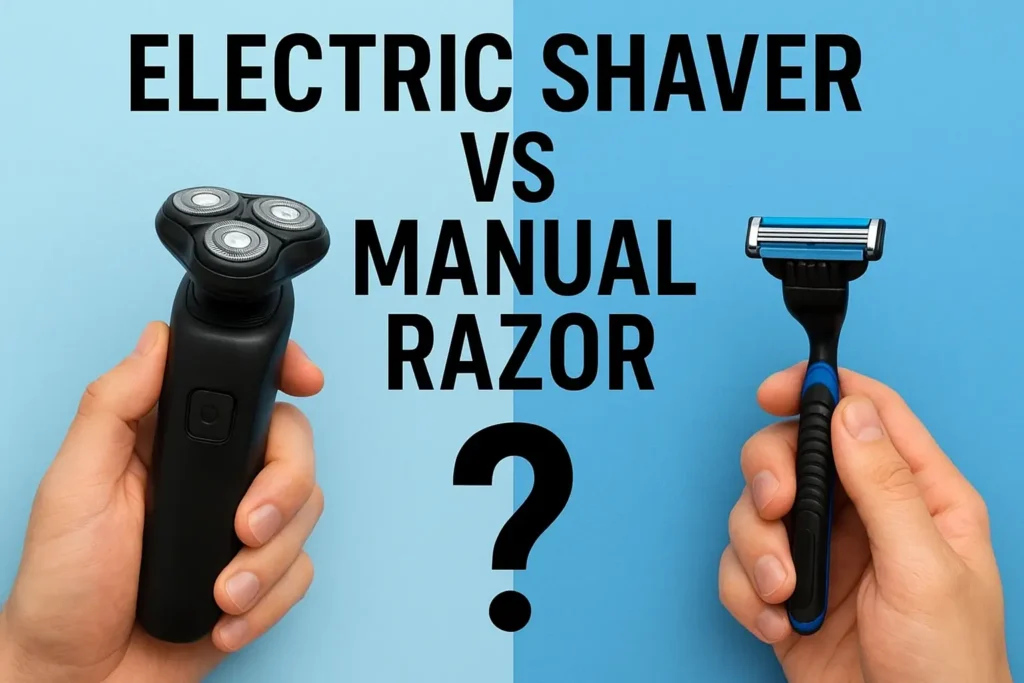
Electric Shaver vs Manual Razor – Which one gives the closest, safest, and most comfortable shave? Discover expert comparisons, pros and cons, and the best choice for your skin type and lifestyle.
Introduction: Electric Shaver vs Manual Razor – Two Elite Choices in Modern Men’s Grooming
In today’s grooming landscape, choosing between an electric shaver and a manual razor has become more than just a daily routine decision — it represents a shift in lifestyle, comfort, and the overall shaving experience. As modern men demand greater efficiency, skin comfort, and precision, the debate between these two shaving methods has never been more relevant.
Electric shavers appeal to those who value speed, convenience, and skin protection. With advanced motor systems, flexible shaving heads, and skin-guarding technologies, they offer a quick, low-irritation solution that fits perfectly into a busy schedule.
On the other hand, manual razors remain the gold standard for achieving the closest, smoothest shave possible. Their direct blade-to-skin contact gives unparalleled control and precision, making them the preferred choice for men who prioritize a flawlessly clean finish.
Whether you’re seeking speed or ultimate closeness, efficiency or tradition, understanding the strengths and limitations of each option is the key to elevating your grooming routine. This comparison will help you choose the shaving method that truly matches your skin type, hair texture, and lifestyle.
Core Differences Between an Electric Shaver and a Manual Razor
Understanding the fundamental differences between an electric shaver and a manual razor is essential for choosing the shaving method that best fits your skin type, facial hair, and daily routine. Although both tools serve the same purpose — removing facial hair — their mechanisms, results, and user experience are significantly different.
1. Shaving Mechanism
Electric shavers use high-speed motors that move internal blades behind a protective foil or rotating head. This design trims hair without direct blade-to-skin contact, reducing the risk of irritation and cuts.
Manual razors, on the other hand, use an exposed blade that glides directly across the skin, cutting hair at the surface level for maximum closeness.
2. Closeness of the Shave
Manual razors provide the closest possible shave because the blade makes direct contact with the skin.
Electric shavers offer a clean shave but generally cannot match the ultra-smooth finish of a manual razor.
3. Speed & Convenience
Electric shavers are designed for quick, hassle-free grooming. They require no shaving cream, water, or post-shave cleanup, making them ideal for busy schedules.
Manual razors require more preparation — applying shaving gel, softening the hair, and ensuring proper technique — which takes more time but delivers a premium, polished result.
4. Skin Safety & Irritation
Because the blades of an electric shaver never fully touch the skin, they tend to be gentler and cause fewer nicks, cuts, or razor burns.
Manual razors, though incredibly precise, pose a higher risk of irritation, especially for sensitive skin or users with poor shaving technique.
5. Maintenance & Long-Term Costs
Electric shavers require regular cleaning, lubrication, and periodic replacement of the shaving head.
Manual razors are simpler to maintain, but frequent blade replacements can add up over time.
Advantages and Disadvantages of Electric Shavers
Electric shavers have become a popular choice among modern men thanks to their speed, convenience, and skin-friendly technology. However, like any grooming tool, they come with both strengths and limitations. Understanding these will help you decide whether an electric shaver truly fits your daily shaving needs.
Advantages of Electric Shavers
1. Fast and Convenient
Electric shavers are designed for quick grooming sessions. With no need for shaving cream, water, or preparation time, they allow you to achieve a clean shave within minutes — perfect for busy mornings or men who travel frequently.
2. Gentle on Sensitive Skin
Because electric shavers do not use exposed blades, they reduce direct contact with the skin. This minimizes the risk of cuts, nicks, razor burn, and irritation. Many models also include skin-protection features such as flexible heads, hypoallergenic foils, and pressure sensors.
3. Versatile for Different Shaving Styles
Most electric shavers can handle dry shaving, wet shaving, trimming, and detailing. This flexibility makes them suitable for men with varying beard lengths and grooming preferences.
4. Low Mess & Easy Cleanup
No shaving foam. No rinsing the blade after every stroke. Many shavers have self-cleaning stations or are fully washable, making maintenance simple.
5. Great for Daily Shaving
Since they cause less irritation and work efficiently on short stubble, electric shavers are ideal for men who shave every day or every other day.
Disadvantages of Electric Shavers
1. Not as Close as a Manual Razor
Although today’s electric shavers provide a very clean result, they still cannot match the ultra-close finish of a manual blade. Men seeking a “glass-smooth” shave may notice a slight difference.
2. Higher Initial Cost
Premium models such as Braun Series 9 Pro or Panasonic Arc5 can be significantly more expensive upfront compared to manual razors.
3. Requires Battery or Charging
Electric shavers rely on power. Running out of battery during a shave — or forgetting to charge — can interrupt your routine.
4. Needs Regular Maintenance
Shaving heads and foils must be cleaned and replaced periodically. Self-cleaning stations also require cleaning fluid, which adds to the long-term cost.
5. Can Struggle With Longer or Curly Hair
Electric shavers work best on short, daily stubble. Longer beard growth or coarse, curly hair may require multiple passes or pre-trimming for optimal results.
Advantages and Disadvantages of Manual Razors
Manual razors have long been considered the gold standard in traditional shaving. With their direct blade-to-skin contact, they deliver unmatched closeness and precision. However, this traditional approach also comes with its own set of challenges. Below is a detailed breakdown of the strengths and limitations of manual razors.
Advantages of Manual Razors
1. Ultra-Close Shave
Manual razors provide the closest shave possible. The exposed blade cuts hair directly at the skin’s surface, leaving a smooth, polished finish that electric shavers still struggle to match.
2. Maximum Control and Precision
With a manual razor, every stroke is guided by your hand. This allows for superior maneuverability, especially around challenging areas like the jawline, under the nose, and the neckline. Ideal for men who value precision.
3. Low Initial Cost
Manual razors (especially cartridge or disposable types) are inexpensive to purchase. Even premium safety razors are often cheaper upfront than high-end electric shavers.
4. Great for Occasional Shavers
Men who shave less frequently—every few days or weekly—often find manual razors more efficient for handling longer, tougher beard growth.
5. Portable & No Battery Needed
Manual razors require no charging, no electricity, and take up minimal space. Perfect for travel, emergencies, or minimalist grooming routines.
Disadvantages of Manual Razors
1. Higher Risk of Cuts and Razor Burn
Because the blade directly touches the skin, manual razors can lead to nicks, cuts, ingrown hairs, and razor burn—especially for beginners or those with sensitive skin.
2. More Time-Consuming
A proper manual shave often requires preparation:
-
Softening the beard
-
Applying shaving cream
-
Slower, controlled strokes
This process takes longer than using an electric shaver.
3. Ongoing Blade Replacement Costs
Even though the initial cost is low, cartridges and disposable razors need frequent replacement. Over time, this can become more expensive than maintaining an electric shaver.
4. Not Ideal for Sensitive Skin
Men with delicate or highly reactive skin may experience irritation or redness, especially if shaving daily.
5. Requires Proper Technique
Angle, pressure, and shaving direction all matter. Poor technique can worsen irritation or cause inconsistent results, making it less beginner-friendly compared to electric shavers.
Who Is an Electric Shaver Best For?
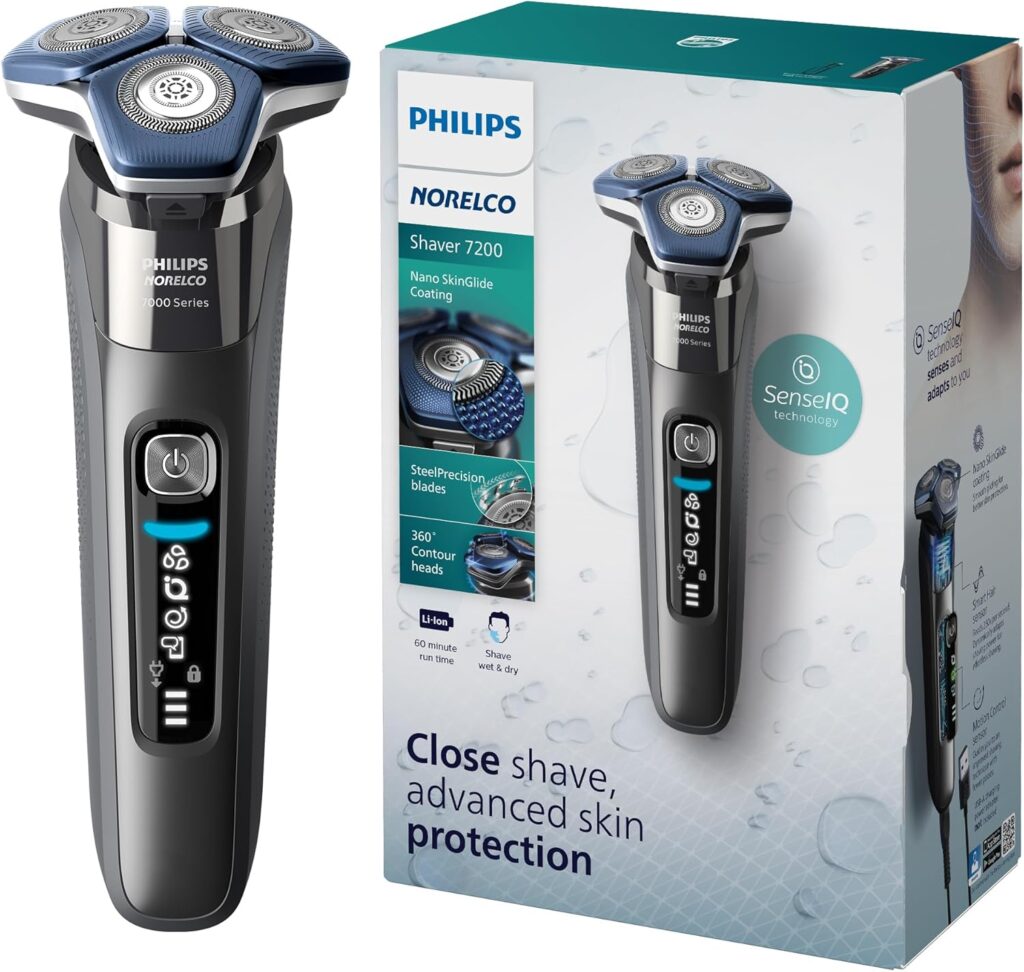
Check Price on Amazon
Electric shavers are designed to meet the needs of men who prioritize speed, comfort, and convenience in their grooming routine. While they may not deliver the absolute closest shave, they excel in situations where efficiency and skin protection are more important than a glass-smooth finish. Below are the types of users who benefit most from an electric shaver.
1. Men With Sensitive or Easily Irritated Skin
If you frequently experience razor burn, redness, or ingrown hairs, an electric shaver is often the safer choice. Its protective foil or rotary guard minimizes blade-to-skin contact, reducing irritation and micro-cuts.
2. Busy Professionals or Men With Tight Schedules
Electric shavers are perfect for those who need a quick, clean shave without the hassle of shaving cream, water, or prolonged preparation. A full shave can be done in just a few minutes — even on the go.
3. Daily or Every-Other-Day Shavers
Electric shavers work best on short, consistent stubble. If you shave frequently, they maintain comfort and speed without irritating the skin.
4. Men Who Travel Often
Compact designs, cordless operation, and travel-friendly cases make electric shavers ideal for frequent travelers. You can shave anywhere, anytime.
5. Men Prioritizing Safety Over Maximum Closeness
If avoiding cuts and nicks is more important to you than achieving the closest shave possible, an electric shaver is the more reliable option.
6. Beginners or Those New to Grooming
Electric shavers are easy to use, require minimal technique, and significantly reduce the risk of mistakes — making them great for grooming beginners.
Who Is a Manual Razor Best For?
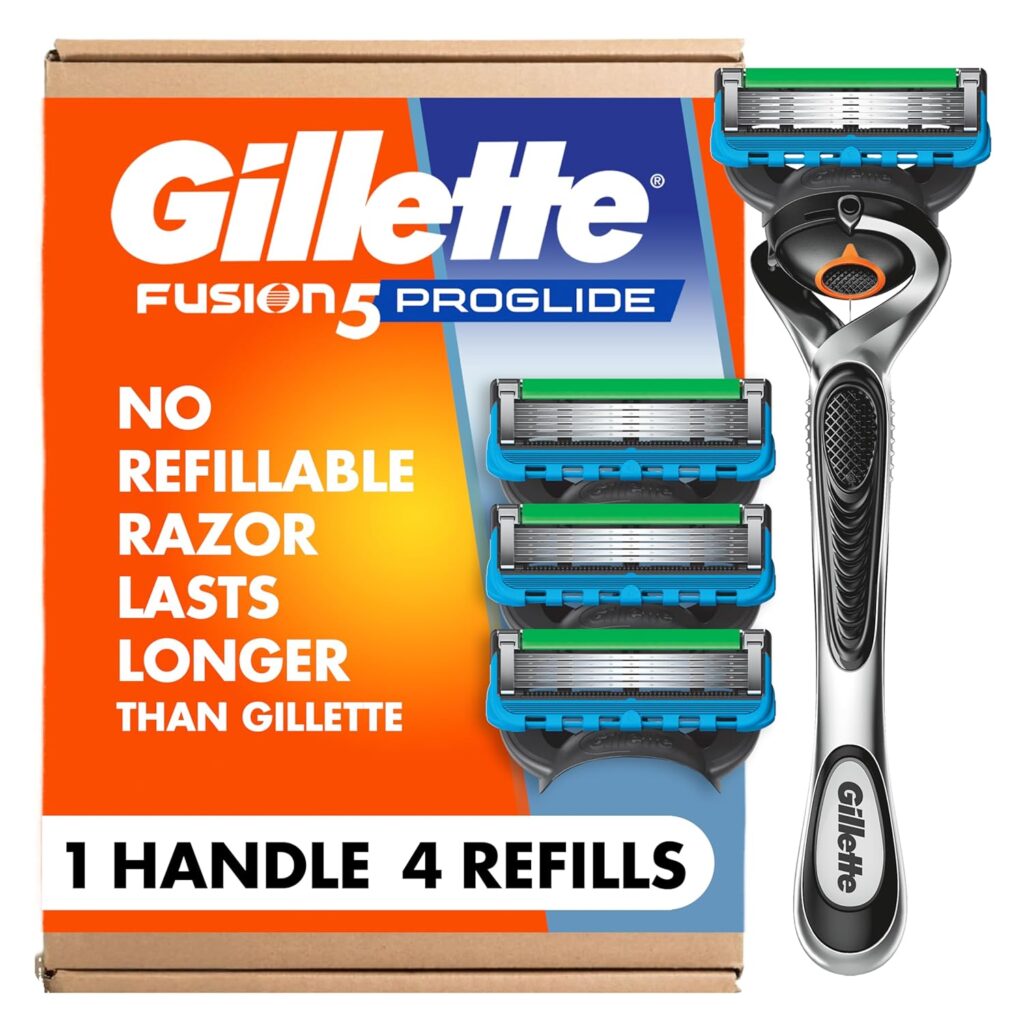
Check Price on Amazon
Manual razors remain the top choice for men who value precision, closeness, and traditional shaving performance. While they require more time and technique, the results can be unmatched when used correctly. Below are the types of users who benefit most from a manual razor.
1. Men Who Want the Closest, Smoothest Shave Possible
If achieving a perfectly clean, ultra-close finish is your priority, a manual razor is the clear winner. Its direct blade-to-skin contact delivers a level of closeness that electric shavers cannot match.
2. Men With Thick, Coarse, or Fast-Growing Facial Hair
Manual razors cut through dense or stubborn hair more effectively. They are especially efficient for men whose beard grows quickly or becomes rough after just a day or two.
3. Occasional Shavers (Every Few Days or Weekly)
If you don’t shave daily, a manual razor handles longer or uneven beard growth far better than electric shavers, which often struggle with longer strands.
4. Men Who Prioritize Precision and Control
Whether shaping the jawline, defining the neckline, or shaving around tricky areas, manual razors offer unmatched manoeuvrability and accuracy. They are ideal for meticulous groomers or those who enjoy a traditional shaving ritual.
5. Men With a Steady Hand and Proper Technique
Manual shaving requires understanding pressure, blade angle, and direction. Men who already have good technique — or enjoy mastering it — will get the best performance from a manual razor.
6. Men Who Don’t Mind Spending Extra Time on Grooming
If you appreciate the ritual of applying shaving cream, preparing the skin, and shaving slowly and deliberately, a manual razor complements that experience perfectly.
Expert Recommendations: When Should You Choose an Electric Shaver and When Should You Choose a Manual Razor?
Choosing between an electric shaver and a manual razor ultimately depends on your skin type, lifestyle, grooming habits, and expectations for the final result. Below is a detailed breakdown from a grooming expert’s perspective to help you identify the best choice for your unique needs.
When You Should Choose an Electric Shaver
1. You Have Sensitive or Easily Irritated Skin
If your skin reacts strongly to blades — redness, razor burn, bumps — an electric shaver provides a gentler shave with far fewer chances of irritation.
2. You Prioritize Speed and Convenience
For men with busy schedules, shaving needs to be quick. Electric shavers eliminate prep time and allow for fast, mess-free grooming.
3. You Shave Daily or Every Other Day
Electric shavers perform best on short, consistent stubble. They maintain comfort even with frequent usage.
4. You Travel Often or Need On-the-Go Grooming
Cordless designs, compact sizes, and dry-shave capability make electric shavers perfect for traveling or last-minute touch-ups.
5. You Prefer Low-Risk Shaving
If avoiding cuts, nicks, and razor burn is more important than achieving a super-close finish, the electric shaver is the safer and more reliable choice.
When You Should Choose a Manual Razor
1. You Want the Closest Shave Possible
If your priority is achieving a truly smooth, skin-level shave, a manual razor is unmatched in closeness and precision.
2. You Have Thick, Coarse, or Fast-Growing Facial Hair
Manual razors cut through tough or dense hair more effectively, making them ideal for men whose beards grow quickly or become rough within a day.
3. You Shave Less Frequently
If you shave every few days or weekly, a manual razor handles longer beard growth much better than most electric shavers.
4. You Prefer Precision and Control
For shaping sharp lines, cleaning up the neckline, or grooming detailed areas, a manual razor provides superior accuracy.
5. You Enjoy the Traditional Grooming Ritual
Some men prefer the slow, methodical process of manual shaving — prepping the skin, using shaving cream, and mastering technique.
Final Expert Advice
While both tools have strengths, the best choice depends on whether you prioritize speed and comfort (electric shaver) or precision and closeness (manual razor). Many men even use both:
-
Electric shaver for daily maintenance
-
Manual razor for special occasions when maximum smoothness is desired
Quick Comparison Table: Electric Shaver vs Manual Razor
| Criteria | Electric Shaver | Manual Razor |
|---|---|---|
| Shave Type | Fast, convenient, dry shave | Close, ultra-smooth shave |
| Skin Sensitivity | Better for sensitive skin | May cause irritation if technique is wrong |
| Learning Curve | Easy to use, beginner-friendly | Requires technique and practice |
| Shaving Speed | Very quick, ideal for busy routines | Slower, more detailed process |
| Maintenance | Needs cleaning + charging | Needs blade replacement |
| Cost Over Time | Higher upfront cost, lower long-term | Low upfront, higher long-term (blade refills) |
| Portability | Great for travel, cordless options | Lightweight, no battery needed |
| Best For | Daily shaving, sensitive skin, and convenience | Closest shave possible, precision detailing |
FAQ – Frequently Asked Questions
1. Which one gives a closer shave: an electric shaver or a manual razor?
Manual razors provide a closer shave because the blade cuts directly at skin level. Electric shavers prioritize comfort and speed over closeness.
2. Are electric shavers good for sensitive skin?
Yes. Electric shavers—especially foil models—tend to be gentler and reduce the risk of cuts, irritation, and razor burn.
3. How often should I replace my electric shaver blades?
Most manufacturers recommend replacing the foils and blades every 12–18 months, depending on usage.
4. Do manual razors cause more irritation?
They can if your technique is incorrect or if you use dull blades. Proper prep, shaving cream, and aftercare help reduce irritation.
5. Are electric shavers good for shaving daily?
Yes. Electric shavers are ideal for daily use because they’re quick, clean, and less irritating for frequent shaving.
6. Can electric shavers be used with shaving cream?
Some can. Many wet/dry models support shaving with cream or gel for added comfort.
7. Which one is better for travel?
Electric shavers are convenient for travel due to their speed and mess-free shaving, but manual razors are lighter and don’t require charging.
8. What’s more cost-effective in the long run?
Electric shavers have a higher upfront cost but lower ongoing expenses. Manual razors cost less initially but require frequent blade replacements.

Adam Lee is a personal care enthusiast and a veteran of the traditional wet shaving community, with over 10 years of experience testing artisanal and heritage soaps, aftershaves, and razors. At Men Review Hub, he personally puts every product through a minimum 30-day real-world trial to ensure you get an honest, practical look at what truly deserves a spot in your bathroom cabinet.