
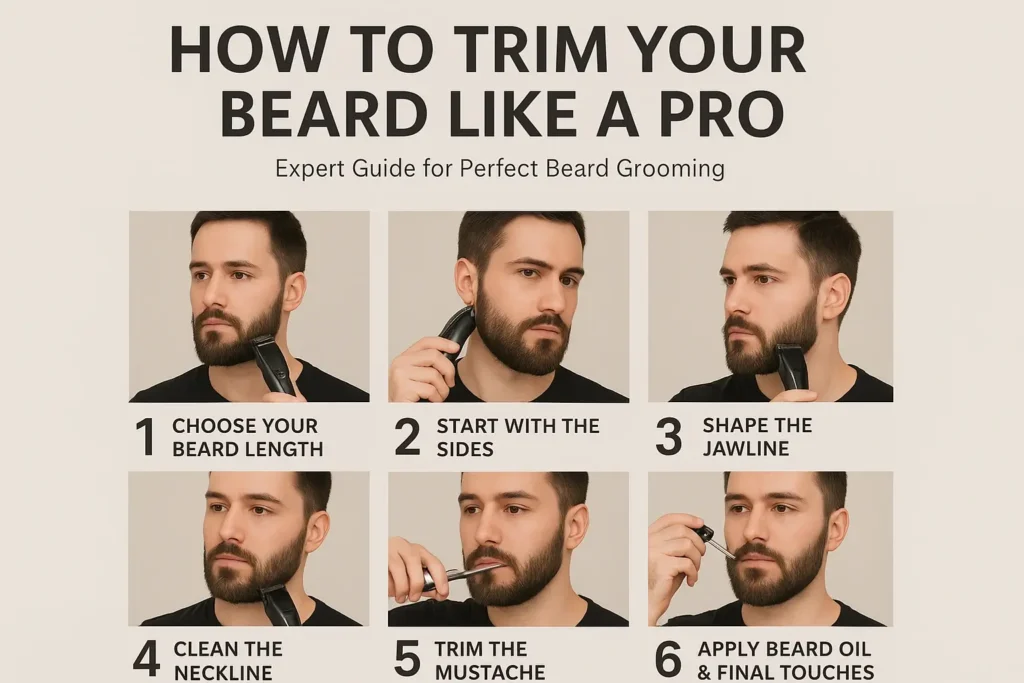
How to Trim Your Beard Like a Pro: The No-Stress Guide
Let’s be honest: a well-groomed beard is more than just letting your facial hair grow out—it is a statement of style and confidence. Yet, so many of us struggle to maintain a look that feels sharp, even, and put-together. You might have the perfect shape in mind, but when it’s time to actually pick up the trimmer, things go sideways: one side ends up shorter than the other, the neckline crawls too high, or you accidentally butcher the mustache you’ve been working on for months.
The truth is, learning how to trim your beard like a pro is a simple skill anyone can master, and it doesn’t require a master barber’s touch. With the right routine, a little bit of patience, and a decent trimmer, you can easily achieve a clean, professional look right at home. In this guide, we are going to break down the entire process into simple, actionable steps. Say goodbye to awkward, uneven cuts and skin irritation. Once you get the hang of these basics, every trim will become an easy, stress-free part of your routine.
⚡ The Quick Cheat Sheet: Your Trimming Blueprint
If your beard is currently feeling out of control and you just need the core advice before you start, here is the exact “No-Fluff” breakdown on how to trim your beard like a pro:
- Dry Hair Only: Never trim a wet beard. Wet hair hangs lower and looks longer; if you trim it while it’s wet, it will shrink and look too short once it dries.
- The Neckline Rule: Place two fingers horizontally right above your Adam’s apple. That spot is your baseline. Shave everything below it to create a clean, sharp jawline.
- The Right Tools: Use a reliable beard trimmer with sturdy guards for the heavy lifting, and keep a pair of grooming scissors handy just for detailing the mustache.
- The Taper Fade: Blend your sideburns into your cheek line using progressively shorter guards to avoid that harsh, blocky look on the sides of your face.
1. The Pre-Trim Phase: Setting Yourself Up for Success
Before you even think about turning on those clippers, taking a few minutes to prep is essential. A clean, untangled beard is much easier to work with and ensures a far more precise, even trim.
💡 Personal Tip: One thing I’ve consistently noticed while trimming my own beard over the years is that skipping preparation almost always leads to uneven patches. Taking two minutes to wash and comb your beard first makes the trimmer glide much smoother.
⚙️ Your Essential Toolkit
- A Solid Trimmer: Look for a tool with firm, locking guards that won’t slip mid-trim.
- Grooming Scissors: A small pair of shears for fine-tuning the mustache and flyaways.
- A Good Comb: To gently lift the hairs and show you their true length.
- Beard Oil or Balm: To soothe your skin and condition the hair after you finish.
- Good Lighting: Make sure your bathroom mirror is well-lit so you don’t miss any spots.
🧬 The Prep Routine
- Wash It Out: Clean your beard to remove any dirt or excess oil from the day.
- Warm It Up: A warm shower helps soften the hair, making it easier to cut cleanly.
- Dry It Completely: Remember, never trim a wet beard. Pat it dry with a towel.
- Comb It Down: Gently comb your beard straight down so the hairs lay exactly how they do naturally.
2. The 7-Step Routine: A Stress-Free Trim
Taking care of your beard doesn’t require a barber’s touch. Just follow these simple, step-by-step instructions to get a clean, even look every time.
Step 1: Start Long
Always begin with a longer guard on your trimmer. It is much easier to take a little more off later than to fix a patch you accidentally cut way too short. Taking it slow saves you from shaving the whole thing off.
Step 2: Trim the Sides
Gently run the trimmer down the sides of your face, moving with the natural growth of your hair. This helps establish an even baseline and cleans up any flyaways without changing your face shape too much.
Step 3: Shape the Jawline
Follow the natural curve of your jaw, using downward strokes to clean up the bulk under your chin. This area defines your beard’s shape, so take your time and blend it smoothly into the sides.
Step 4: Define the Neckline
Place two fingers right above your Adam’s apple. That’s your line. Shave everything below it clean, curving the line gently up toward the bottom of your ears to give your jaw a nice, clean frame.
Step 5: Tidy the Mustache
Put the clippers down and grab your scissors. Gently snip away any hairs that hang over your top lip. Keeping it slightly above the lip line looks cleaner and keeps food out of your hair.
Step 6: Blend the Sideburns
Switch to a slightly shorter guard on your trimmer to fade your sideburns smoothly into your hair. This prevents a sudden, blocky transition and makes the whole look blend together naturally.
Step 7: Hydrate and Soothe
Running trimmer blades across your face can dry out your skin. Massage a few drops of product into your skin and add moisture back. If you’re unsure which choice fits you, feel free to check out our beard oil guide for a breakdown of non-greasy options.
3. Beard Length & Maintenance Blueprint
Different beard styles require different guard sizes and care schedules. Use this quick reference chart to keep your specific length looking right:
| Beard Style | Target Length | Typical Guard Size | How Often to Trim |
|---|---|---|---|
| Heavy Stubble | 1 – 3 mm | #1 – #2 Guard | Every 2 – 3 Days |
| Short Boxed Beard | 5 – 10 mm | #3 – #4 Guard | Once a Week |
| Medium Full Beard | 10 – 20 mm | #5 – #6 Guard | Every 10 – 14 Days |
| Natural / Long Beard | 20mm+ | Scissors / Freehand | Every 2 – 3 Weeks |
4. Finding Your Style: What Works for You
A good trim opens up a lot of options. Depending on how your hair grows and your face shape, here are three dependable styles you can aim for.
📦 The Short Boxed Beard
Clean and universally flattering. It features neatly defined cheek lines and a tailored jawline. It’s a great middle ground for both office wear and casual weekends.
⏱️ The Heavy Stubble
Simple but clean. It adds nice definition to your jawline without requiring months of growth. This is a solid option if your beard grows in slightly patchy.
🛡️ The Natural Beard
A fuller, classic look. It takes a bit more time to grow out and needs regular combing to keep it looking clean rather than messy.
5. Common Trimming Mistakes to Avoid
Even guys who have had beards for years sometimes fall into these traps. Keep these common mistakes in mind so you don’t accidentally ruin your hard work.
- The High Neckline: Shaving right along your jawbone creates a strange look that can make your face look rounder. Always leave a bit of hair under the jaw to keep things natural.
- Using Dull Blades: A dull trimmer pulls your hair instead of cutting it clean. This causes split ends, frizz, and irritating skin razor bumps.
- The Wet Trim Trap: As we mentioned, hair stretches when it’s wet. If you trim it right out of the shower, your beard will look shorter than you planned once it dries.
- Over-Snipping the Mustache: It’s easy to get carried away when trimming the mustache. Take it slow, and only clip the stray hairs that actually cross onto your top lip.
📋 Quick Checklist: Remember This Before Every Trim
Frequently Asked Questions
How often should I trim my beard?
For shorter styles like heavy stubble, trimming every 2-3 days keeps it looking clean. For fuller boxed beards, a maintenance session once a week is usually enough to clean up stray hairs and reshape lines.
What if I accidentally trim one side too short?
Don’t try to even out the other side immediately. Instead, drop your trimmer guard size down slightly to blend the short area into a subtle fade, or just let it rest for 3-4 days—beard hair grows fast enough to hide minor mistakes quickly.
Should I use scissors or an electric trimmer for my mustache?
Grooming scissors offer much better precision for the lip line. Electric trimmers can easily slip or jump, which might cause you to accidentally cut away too much mustache hair in one go.
Does putting oil on after a trim cause skin breakouts?
Not if you use lightweight oils like Jojoba or Argan oil. These absorb quickly without clogging pores, helping calm fresh razor irritation and preventing dry skin flakes underneath your beard.
🔗 More Resources for Your Routine
Building a great beard takes time, and we’ve got more tips to help you out. Check out these guides to keep your routine on point:
- Choosing the Right Tool: If you’re looking to upgrade your setup, check out our breakdown of the Best Electric Shavers Matrix.
- Boosting Your Growth: Need a little help filling in those patches? Take a look at our Best Beard Growth Oils Guide.
- Soothing the Skin: If you accidentally went a little too close and your neck is burning, read our Definitive Guide to Stopping Razor Burn.
- Finding the Best Trimmer: Cut through the noise and find the perfect clipper for your beard length in our Best Cordless Beard Trimmers Database.
Scientific & Editorial References:
Our grooming tips match skin care advice from the American Academy of Dermatology (AAD) on how to reduce razor bumps, along with basic hair care recommendations from the Mayo Clinic.

“Adam Lee is the lead technical reviewer at MenReviewHub and a veteran of the traditional wet shaving community. With over a decade of hands-on experience, Adam specializes in dissecting high-performance grooming hardware and dermatological skincare. He doesn’t just ‘read the box’—he puts every product through a brutal 30-day real-world trial to ensure your morning routine is a tactical success, not a crime scene.”