
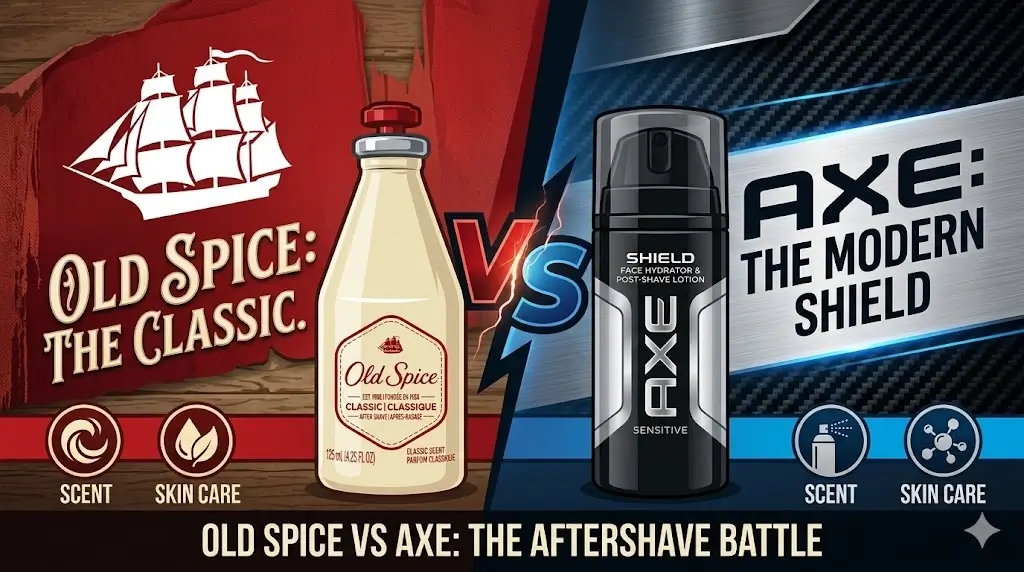
Old Spice vs Axe Aftershaves: Finding Your True Post-Shave Comfort
Finishing a shave can sometimes feel like a gamble for your skin—one wrong turn, and you’re dealing with that tight, burning redness for the rest of the morning. When walking down the grooming aisle, deciding between Old Spice vs Axe aftershaves is a crossroads most of us have faced. Beyond just picking a nice scent, a good splash needs to actively comfort your skin, soothe away razor burn, and help your pores recover. Let’s look past the marketing noise and explore how these two classic drugstore staples actually treat your face.
1. The Old Spice Experience: The Warm, Barbershop Tradition
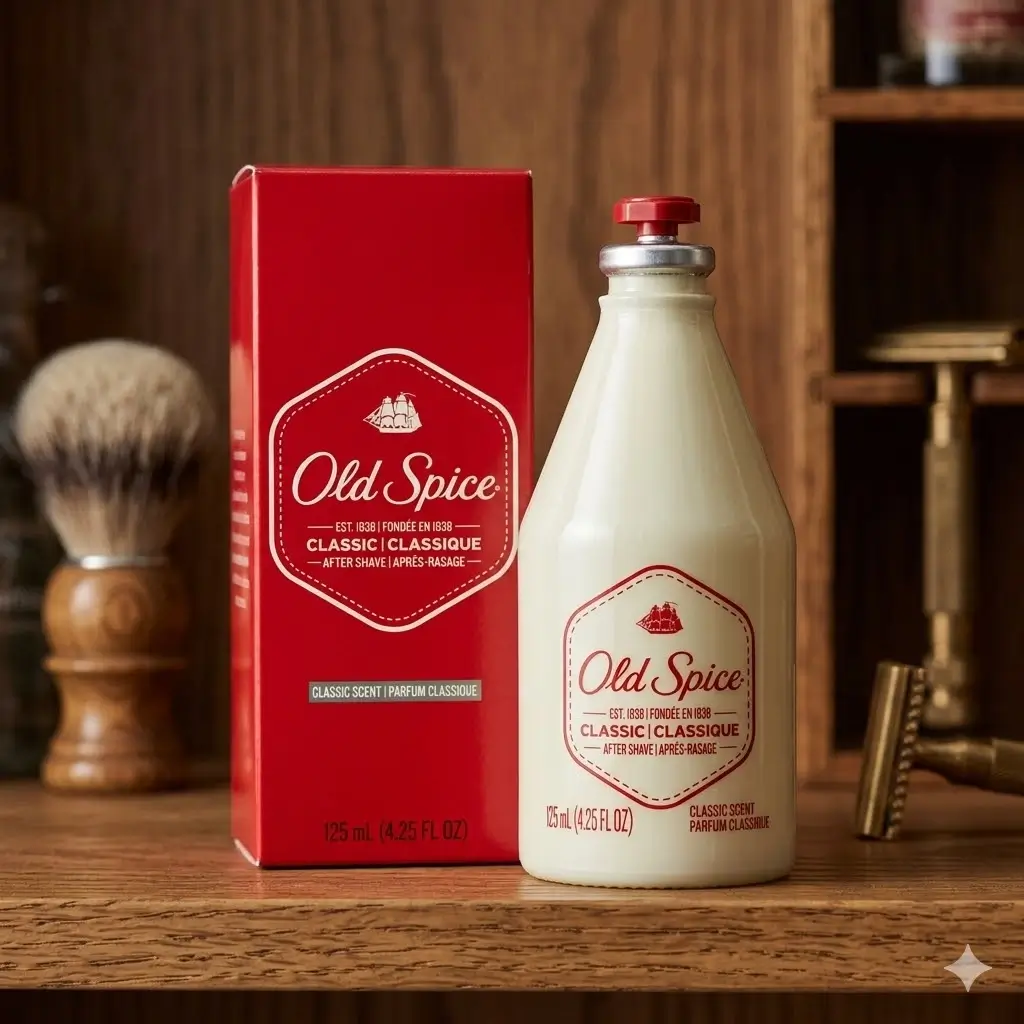
Old Spice is a true staple in men’s grooming that carries a sense of timeless comfort. Originally hitting the scene back in 1938, it’s a brand that has built generations of trust by keeping things simple, reliable, and classic rather than chasing every passing trend. It functions beautifully as the final step of a traditional wet shave—especially if you love using classic gear like a Merkur 34C—offering that distinct, wake-you-up splash that leaves behind a warm, confident aura.
The philosophy behind Old Spice has always been about rugged familiarity. Instead of diving into the ultra-sweet or heavy fruit scents common in modern products, it stays true to its roots with clean, spicy, and woody notes. It’s an understated profile that feels grounded and welcoming.
On the skin, the classic splash uses a traditional alcohol base to provide a crisp, bracing finish that cleanses the skin and tightens up pores after a razor pass. While it’s not a heavy moisturizer, it does exactly what a traditional splash is meant to do, making it a reliable daily companion for men with normal to oily skin.
2. The Axe Experience: The Bold, Contemporary Splash
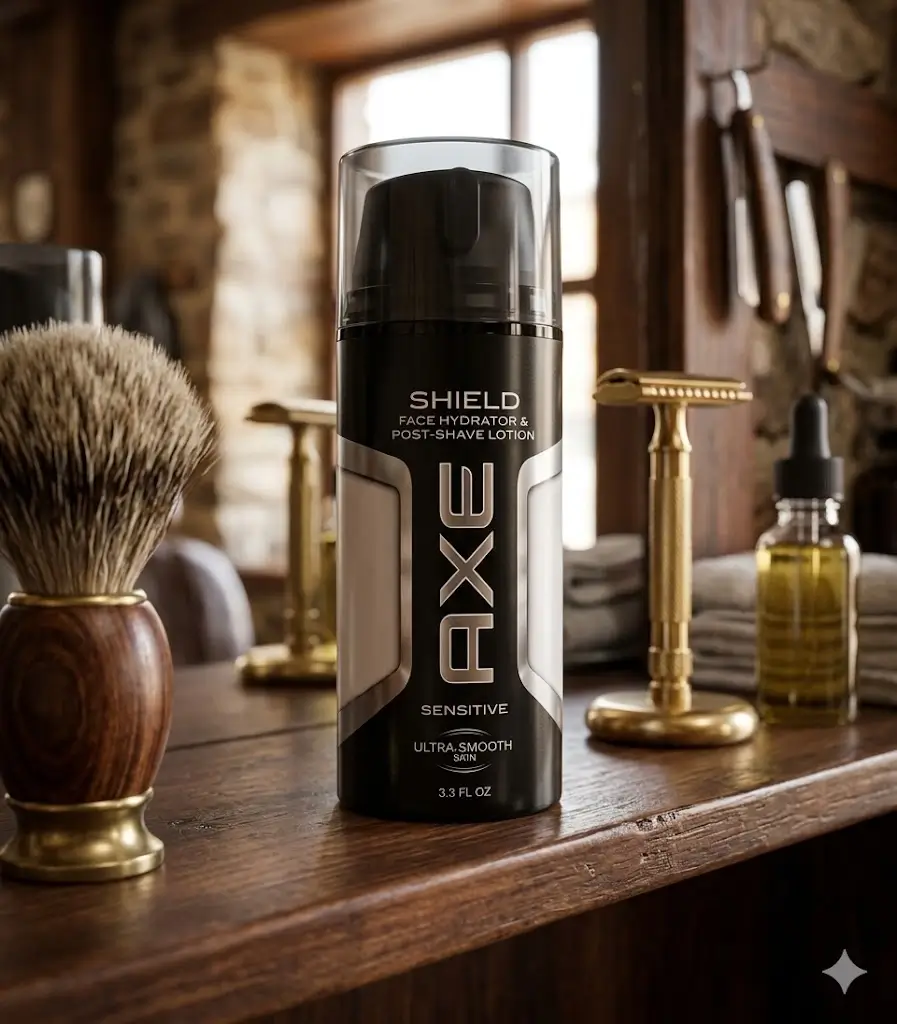
On the other side of the coin, Axe aftershave (lovingly known as Lynx if you’re in the UK or Australia) takes a completely different path, focusing heavily on immediate scent impact and a lively, modern energy. While Old Spice relies on heritage comfort, Axe targets a fresh, trend-conscious crowd that wants its grooming routine to feel vibrant, modern, and distinct.
Axe steps away from the traditional “barbershop” feel and leans heavily into a bold fragrance experience. Its scent formulas are built around eye-catching, clean, or subtly sweet profiles that are mixed to project well and stay with you. This makes it an incredibly popular pick for guys who want a post-shave splash that pulls double duty, acting almost like a lightweight, daily cologne.
From a skin feel perspective, Axe brings a sharp, bracing freshness to your face post-shave. Because it is highly fragrance-focused, it keeps things basic on the emollient side, which means it delivers raw freshness but skips the heavier soothing properties. For men with resilient skin who love an expressive scent that travels with them, it’s a simple, budget-friendly option that fits seamlessly into a fast-paced routine.
3. Skin Dynamics: Looking at the Formulas
When we look at how Old Spice vs Axe aftershaves interact with your face, the difference comes down to the balancing ingredients in the bottle. Both utilize a traditional alcohol base to refresh the skin, but they use very different supporting casts to get the job done.
1. The Bracing Base
Both products feature alcohol as a primary ingredient, which acts as a reliable astringent after your shave. This base has two sides to it:
- The Benefit: It provides a deep, reassuring cleanse that leaves your face feeling completely refreshed and handles post-razor irritation well.
- The Trade-off: It dries quickly on the skin, which can sometimes leave a tight sensation if your face is naturally prone to dryness.
2. Soothing Additions
This is where the two formulas show their unique personalities.
- Old Spice: Mixes helpful skin-softeners like Glycerin into its splash. This addition helps draw a touch of moisture back into the skin, softening the sharp bite of the alcohol and easing tightness.
- Axe: Streamlines its formula to put almost all its focus on clean, vibrant fragrance projection, leaving out heavier skin-conditioning agents.
4. The Olfactory Profiles: Breaking Down the Scents
The way your aftershave smells is your quiet signature. It’s a completely personal preference, and finding the right fit depends heavily on the impression you want to leave behind throughout your day.
Old Spice: Warm, Comforting, and Time-Tested
Old Spice is celebrated for its balanced, comforting spice. It doesn’t try to dominate a room; it simply sets a warm, traditional tone that stays close to your skin. The classic scent layers come together beautifully:
- The First Impression: Bright, fleeting hints of crisp Orange, Lemon, and a touch of Anise.
- The Core: A rich, warm blend of Cinnamon, Carnation, and a dash of Pimento spice.
- The Staying Power: A smooth, grounded base of Vanilla, Cedarwood, and classic Musk.
Our Take: It creates a dependable, rugged scent profile that feels completely authentic. It’s an excellent choice if you prefer an understated, mature presence.
Axe: Fresh, Expressive, and Lively
Axe goes in a completely different direction, leaning into crisp, highly expressive blends that make a distinct impact. It’s formulated to stay vibrant and step outside the traditional grooming lines:
- The Style: Focuses heavily on aquatic freshness, sweet vanilla notes, or modern, ozone-crisp vibes.
- The Feel: Employs expressive fragrance elements designed to project well, keeping you smelling great for hours after your morning shave.
Our Take: This gives it a highly energetic, contemporary feel. It’s fantastic if you want a splash that easily stands in for a lightweight cologne throughout the day.
5. Side-by-Side Glance
To help you quickly see how these two compare, we’ve mapped out the key differences based on our everyday testing of Old Spice vs Axe aftershaves.
6. Honest Breakdown: Pros & Cons
No product works perfectly for every face. Here is a practical look at the strengths and considerations we found during our time with both formulas.
Why You’ll Love Old Spice
- Timeless Scent Profile: A completely classic, warm scent that feels incredibly genuine and grounded.
- Refreshing Cleanse: The bracing alcohol base tightens pores and cleanses nicely right after you shave.
- Touch of Glycerin: Includes gentle humectants to keep your face from feeling overly stripped.
- Exceptional Value: Highly budget-friendly for a product with an unshakeable grooming history.
Things to Consider
- The Bracing Sting: If you use a bit too much pressure with your razor blade, the alcohol bite will definitely wake you up.
- Not Ideal for Dry Skin: Doesn’t include heavy oils or rich butters. If your skin runs dry, building a rich lather with the best shaving soaps beforehand is a smart move.
- Softer Longevity: The natural oils naturally wind down a bit quicker than modern synthetic colognes.
Why You’ll Love Axe
- Impressive Presence: The contemporary scent elements project wonderfully, making it easy to stand out.
- Cologne Stand-In: Thanks to its impressive staying power, it easily serves as a lightweight cologne for your casual days.
- Modern Vibe: Blends fresh, sweet, and aquatic elements that fit beautifully into a contemporary style.
- Social Ready: Perfect for high-energy settings, weekend gatherings, or casual nights out.
Things to Consider
- Skincare Basics Only: Skips the rich humectants, operating primarily as a fragrant, refreshing splash for your skin.
- Bold Presence: The strong projection can sometimes be a bit much for tight, quiet office spaces.
- Scent-Heavy Blend: The mix of classic alcohol and synthetic fragrance can occasionally be a bit intense if you have highly sensitive skin.
7. Answers to Your Grooming Questions
Is Old Spice better for your skin’s daily recovery?
When looking closely at the two, yes. While both bring that classic alcohol freshness, Old Spice includes small touches of glycerin and castor oil. These act as gentle humectants, pulling moisture back into the surface of your face and making it a bit more comforting for everyday skin recovery.
Should I avoid Axe if my skin is highly sensitive or reactive?
If your skin catches irritation easily, it’s a good idea to step carefully. Axe focuses heavily on strong, expressive fragrance notes, which can be a bit overwhelming for easily angered skin. If you have highly reactive skin, you might want to look past the splash conversation entirely and explore our curated list of the best aftershaves that focus on rich, soothing balms.
Which scent profile lingers longer throughout a busy day?
Axe takes the lead here by a noticeable distance. Its modern formula is mixed to bind its vibrant scent notes firmly to your skin, letting it project comfortably for 5 to 8 hours. Old Spice uses more traditional oils that settle into a soft, quiet presence closer to your skin after about 2 to 3 hours.
Do alcohol-based splashes actually help cleanse your skin?
Absolutely—that is exactly why they’ve been loved for decades. Shaving naturally sweeps away the very top layers of your skin, leaving behind tiny micro-scratches unless you’re using a highly protective trimmer like the one featured in our Philips Norelco OneBlade review. The alcohol in these splashes deeply cleanses those spots immediately, helping you stay ahead of irritation and red bumps.
Which option is the safer choice for a quiet office setting?
For a traditional corporate environment, Old Spice is a beautifully safe and professional pick. In a shared office, a scent that projects too boldly can be distracting. Old Spice stays close, creating a clean, understated aura of classic soap and spice that speaks to maturity and traditional grooming.
The Verdict: Finding Your Sink Side Companion
At the end of our real-world testing, choosing between Old Spice and Axe really comes down to your personal grooming goals and how you want to face your day.
If you’re looking for a post-shave tool that packs a vibrant, modern fragrance that stands out all evening long, Axe delivers an impressive, high-energy presence that easily doubles as a lightweight cologne.
But if you want a reliable daily splash that deeply cleanses your pores, tightens things up comfortably, and leaves behind a classic, dignified warmth that fits seamlessly anywhere from the morning commute to a board meeting, Old Spice remains an absolute king of the bathroom sink. It’s a beautifully time-tested artifact that has earned its spot in medicine cabinets for a simple reason: it simply works.
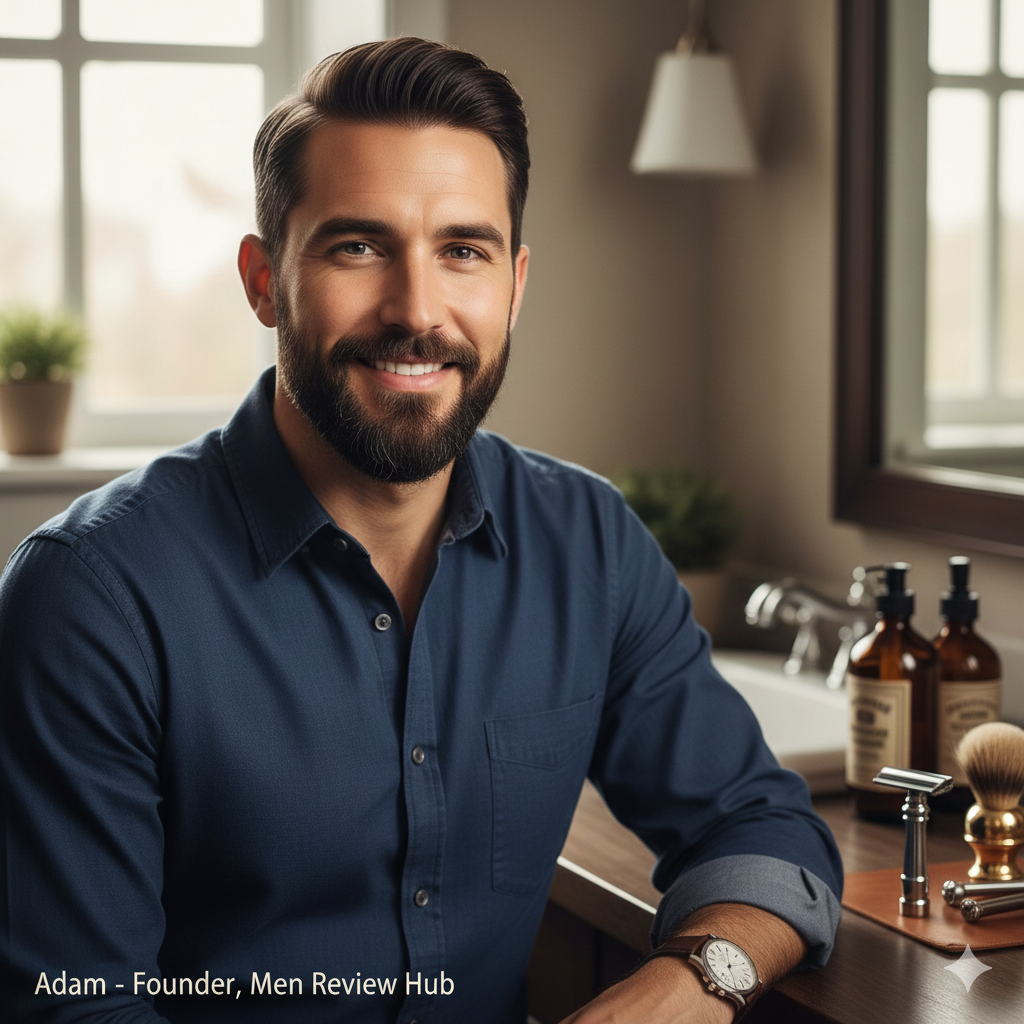
“Adam Lee is the lead technical reviewer at MenReviewHub and a veteran of the traditional wet shaving community. With over a decade of hands-on experience, Adam specializes in dissecting high-performance grooming hardware and dermatological skincare. He doesn’t just ‘read the box’—he puts every product through a brutal 30-day real-world trial to ensure your morning routine is a tactical success, not a crime scene.”