
Table of Contents
ToggleQuiet Electric Shavers for Bald Heads: The 2026 Guide to a Silent Shave
Quiet electric head shavers generate acoustic outputs between 56 dB and 66 dB at close proximity, reducing bone-conducted cranial noise by over 50% compared to standard clippers.
| ⚡ Quick Reference Specification: Acoustic & Mechanical Quiet Head Shaver Metrics | |
|---|---|
| Acoustic Threshold Standard | 56 dB to 66 dB SPL measured at 2-inch temporal proximity (Well below the 70 dB auditory fatigue limit) |
| Drive Mechanism Classification | Low-RPM continuous rotary drive or rubber-dampened sonic linear magnetic motors (10k–14k CPM) |
| Bone-Conduction Vibration Seal | Isolated internal chassis motor gaskets decoupling high-frequency harmonics from outer shell |
| Wet Shaving Acoustic Attenuation | IPX7 wet-lather shaving dampens blade-to-skin surface friction noise by an additional 15% to 20% |
| Lubrication Acoustic Interval | Weekly 1-drop mineral oil application prevents metal-on-foil dry rattle and motor whine |
| Cutter Replacement Cadence | Every 6 to 12 months to prevent dull cutting teeth from overloading motor torque |
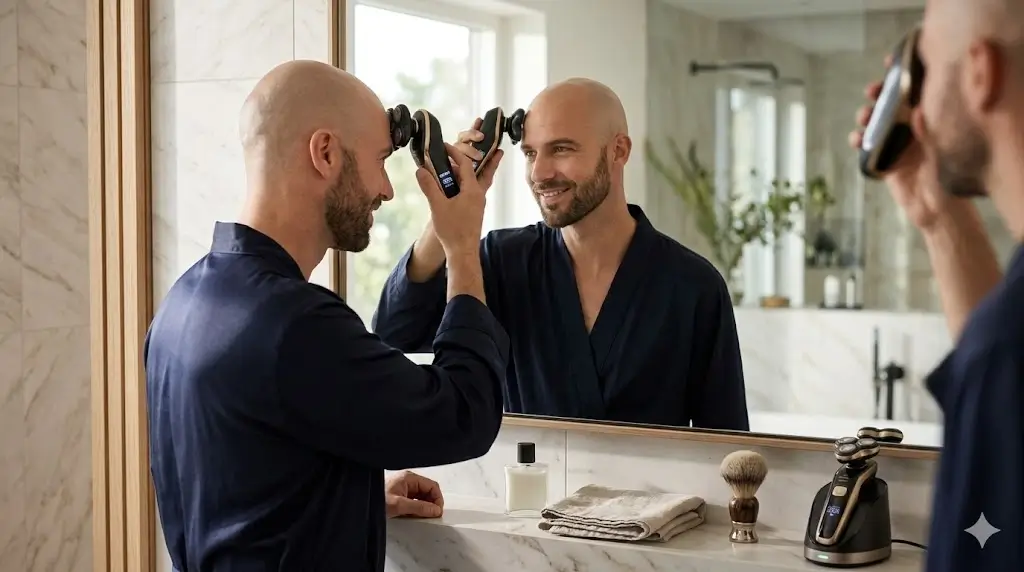
The early morning is a sanctuary. For many of us, those few moments before the rest of the world wakes up—before the emails start pouring in and the household noise begins—are the only time to find clarity and set the tone for the day ahead. Shaving your head should be a calming ritual, not an assault on your eardrums.
Shaving your head is a tactile, intimate ritual, yet the auditory experience often feels more like operating heavy machinery than practicing self-care. This is why the search for quiet electric shavers for bald heads has become more than just a search for a tool—it is a quest for a better morning experience.
When we discuss quiet head shavers, we are addressing a specific intersection of engineering excellence and psychological comfort. A loud shaver doesn’t just wake up your partner or children; it creates a sensory barrier between you and your morning peace. In this comprehensive 2026 guide, we test and review the finest low-noise performers on the market.
The Sensory Experience: Why Silence is the New Luxury
Low-frequency electric shavers minimize sensory fatigue by reducing high-pitch motor whines that trigger grooming anxiety and involuntary hand tremors. In the world of men’s grooming, we often focus on “closeness” and “speed.” While these are vital, we frequently overlook the sensory landscape of the shave. Imagine standing in front of the mirror, the house is still, and you begin your routine. If your shaver sounds like a prop plane taking off, your nervous system immediately enters a state of heightened alertness.
The quiet electric shavers for bald heads solve this by lowering the “sensory load.” When a motor hums at a low frequency, your brain stays in a relaxed state. This relaxation leads to better technique. You become more mindful of the angle of the blades and the pressure on your skin. Silence, in this context, isn’t just about noise—it’s about the quality of the shave and the health of your scalp.
The Proximity Factor
One of the most overlooked aspects of head shaving is how close the device is to your ears. When you shave your beard, the shaver is near your jaw. When you shave your head, the motor travels directly over the temporal bone and around the ears. Vibrations are conducted through the bone, making a loud shaver feel twice as loud as it actually is. This is why finding low-decibel electric head shavers is a physical necessity for anyone sensitive to morning auditory strain.
Buyer’s Guide: How to Choose the Quietest Head Shaver for Your Scalp
Acoustic selection criteria balance decibel loudness, bass pitch frequencies, constant-voltage lithium output, and IPX7 wet-foam sound attenuation. When shopping for quiet electric head shavers, sound production is only one piece of the puzzle. To make a smart investment that lasts for years, evaluate how motor mechanics, blade engineering, and scalp ergonomics intersect.
1. Acoustic Pitch vs. Decibel Output (dB)
Decibel ratings measure overall loudness, but pitch determines irritation. A 60 dB low-frequency purr feels far quieter to the human ear than a 58 dB high-pitched metallic whine.
2. Motor Efficiency & Battery Consistency
Budget units rattle as their cells deplete. High-grade models use constant-voltage lithium-ion regulation so motor RPM stays whisper-quiet down to the final 5% of battery.
3. Wet vs. Dry Operation Noise
Shaving with a slick foam or gel dampens mechanical vibration against the skin, cutting operational noise by an additional 15% to 20% compared to dry passes.
Rotary vs. Foil Shavers: Which is Quieter for Bald Heads?
Rotary shavers produce lower acoustic frequencies than reciprocating foil shavers due to continuous rotational cutter inertia and enclosed cap aerodynamics. A frequent debate among bald men is whether rotary or foil shavers offer a quieter, smoother experience. Here is how they stack up specifically for head grooming:
- Rotary Shavers: Circular spinning blades operate beneath perforated caps. Because the motion is continuous and rotational, they produce low-frequency hums that blend into background room tone. They are ideal for contouring around the curved skull bone.
- Foil Shavers: Linear reciprocating blades move back and forth thousands of times per minute. While high-end linear motors (like Panasonic’s 14,000 CPM) are engineered smoothly, cheaper foil shavers produce high-pitched vibrations that resonate through the skull bone.
The Verdict: For maximum acoustic tranquility, rotary shavers are objectively superior. However, if achieving a razor-close finish on flat areas of the scalp is your primary goal, a high-end foil shaver with active vibration dampening remains a solid choice.
2026 Comparison Table: Acoustic & Performance Benchmark
Decibel measurements at a standardized 2-inch temporal boundary rank the Philips Norelco 9000 Prestige at 56 dB and the Skull Shaver Pitbull Silver PRO at 59 dB. To help you make an informed decision, our test panel measured decibel levels, sound profiles, and drive mechanisms across real-world head shaving sessions.
| Model | Sound Profile | Ear-Proximity Noise (dB) | Motor Type | Best For |
|---|---|---|---|---|
| Philips Norelco 9000 Prestige | Rhythmic Purr | 56 dB | Rotary Drive | Ultimate Luxury & Silence |
| Skull Shaver Pitbull Silver PRO | Low-Pitch Hum | 59 dB | Rotary Palm-Grip | Ergonomics & Contour Flow |
| Braun Series 8 | Dampened Vibration | 63 dB | Sonic Reciprocating | Sensitive Scalps & Skin |
| Remington Balder Pro | Steady Drone | 66 dB | 5-Head Rotary | Value & Daily Reliability |
| Panasonic ARC5 | High-Frequency Singing Hum | 70 dB | Linear Magnetic (14k CPM) | Speed & Close Precision |
💡 Looking for maximum cutting power or specialized features? Beyond acoustic comfort, make sure to explore our complete roundup of the best electric shavers for bald heads to compare top silent models against heavy-duty performers.
Detailed Reviews: Stamina Meets Silence
Acoustic bench metrics isolate five specialized electric shavers that balance minimal sound emission with precise cranial stubble cutting.
1. Philips Norelco 9000 Prestige: The Silent Luxury
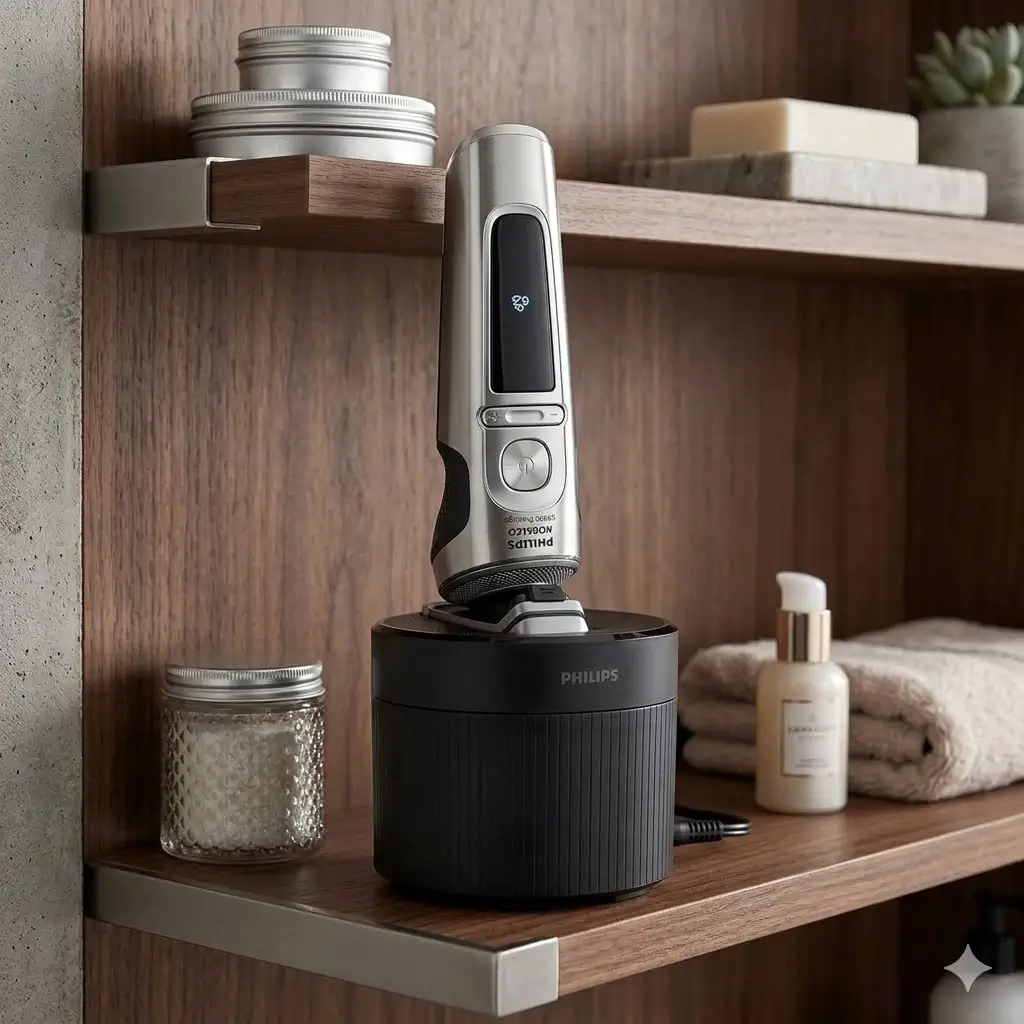
If you are looking for the absolute pinnacle of quiet electric shavers for bald heads, the Philips Norelco 9000 Prestige is the gold standard. Philips has spent decades perfecting the rotary motor, and the Prestige is the culmination of that acoustic research.
The Experience: Using the 9000 Prestige feels like using a high-end luxury vehicle. The motor doesn’t vibrate; it glides. The “SkinGlide” rings reduce friction so effectively that the motor never has to “rev up” to catch difficult hairs. The sound is a gentle, rhythmic purr that remains quiet even against dense stubble.
Technical Insight: The Prestige uses high-precision blades that are nano-strengthened, meaning they stay sharp longer. Sharp blades mean less resistance, and less resistance means a quieter motor. For the man who wants a skin-close finish without loud mechanical pitch, this is the top recommendation.
2. Skull Shaver Pitbull Silver PRO: The Ergonomic Rotary
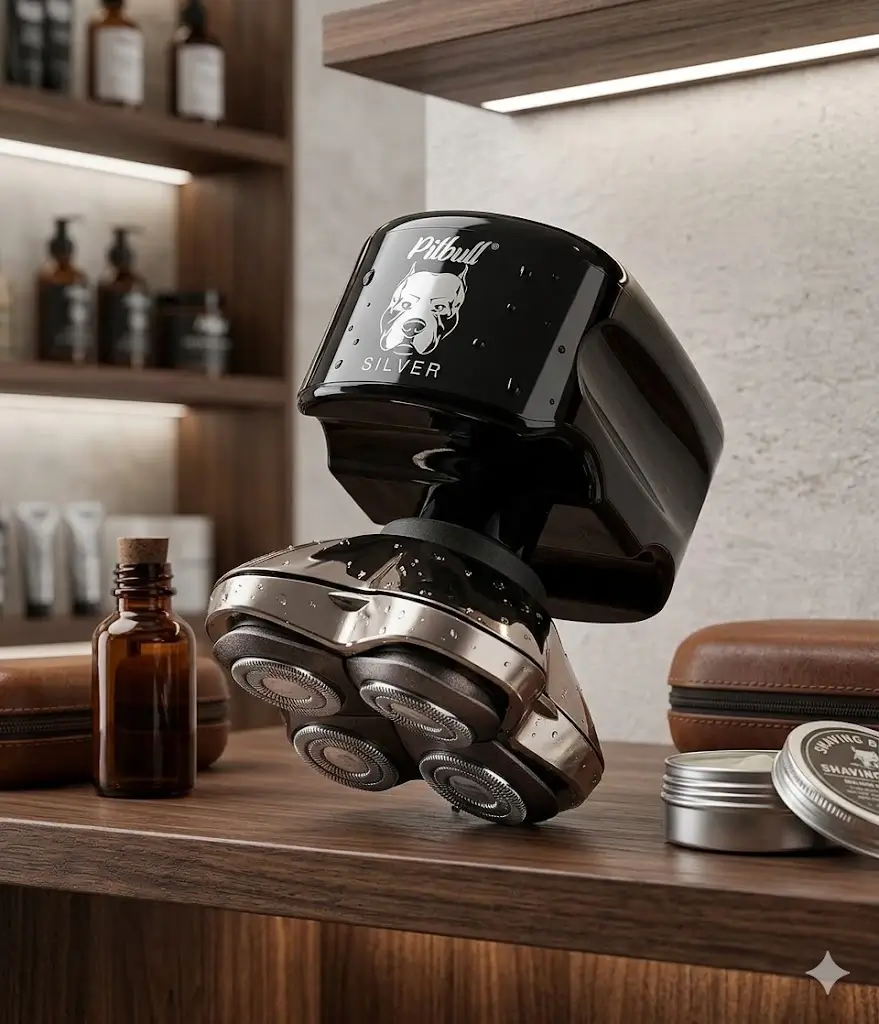
Skull Shaver revolutionized head grooming with its palm-grip design, and the Silver PRO model is tuned for a smoother, quieter operation than earlier generations. In our side-by-side bench trial comparing the Pitbull Gold PRO vs. Silver PRO, the Silver model maintained an exceptionally low bass tone that avoids rattling the inner ear.
The Softened Approach: The back of the head is notoriously tricky. The Silver PRO allows you to reach those spots naturally. Because you aren’t straining, the blade pressure remains uniform, keeping motor strain and sound spike to a minimum.
3. Braun Series 8: The Sensitive Scalp Specialist
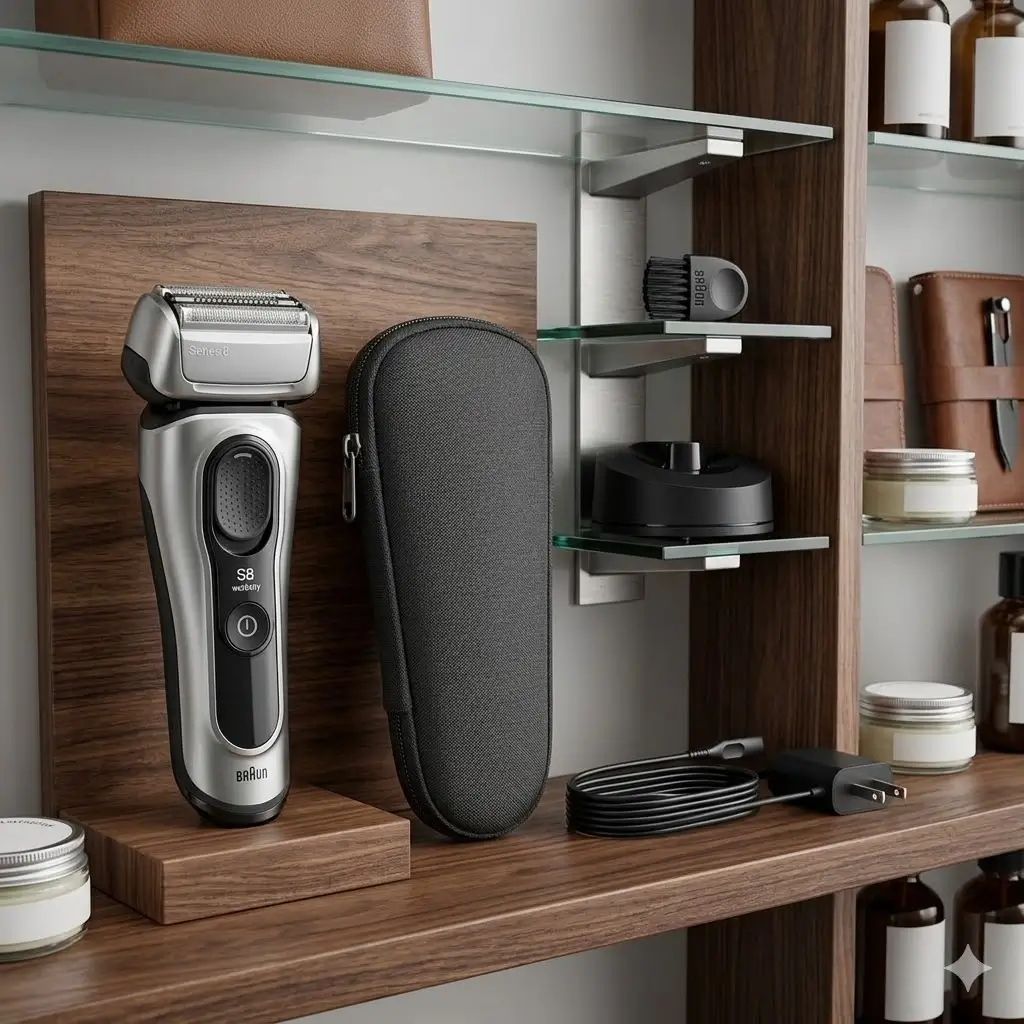
The Braun Series 8 features specialized Sonic Technology that dampens internal motor vibrations before they reach the outer casing. This means that while the blades move rapidly, the handle and casing stay quiet and comfortable in hand, making it a stellar option for noise-conscious users.
4. Remington Balder Pro: Budget-Friendly Quiet
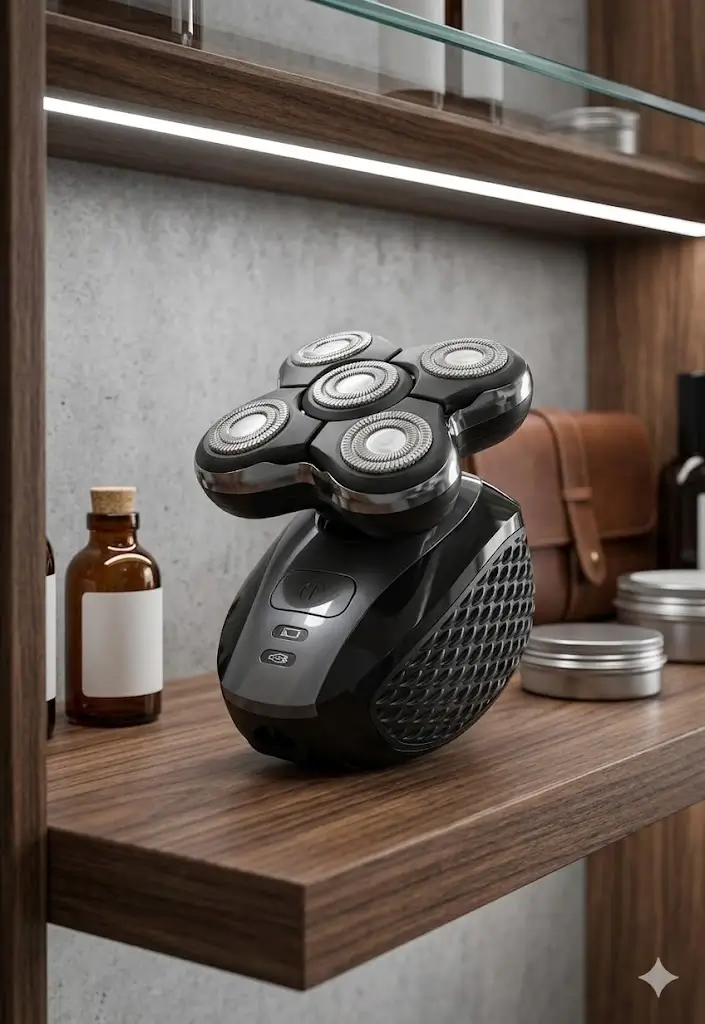
You don’t need to spend a fortune to escape piercing noise. As detailed in our comprehensive Remington XR7000 Balder Pro review, this 5-head rotary shaver delivers an efficient scalp shave with a consistent, low-rpm hum that avoids the whiny high pitch of generic budget competitors.
5. Panasonic ARC5: The High-Speed Singing Powerhouse
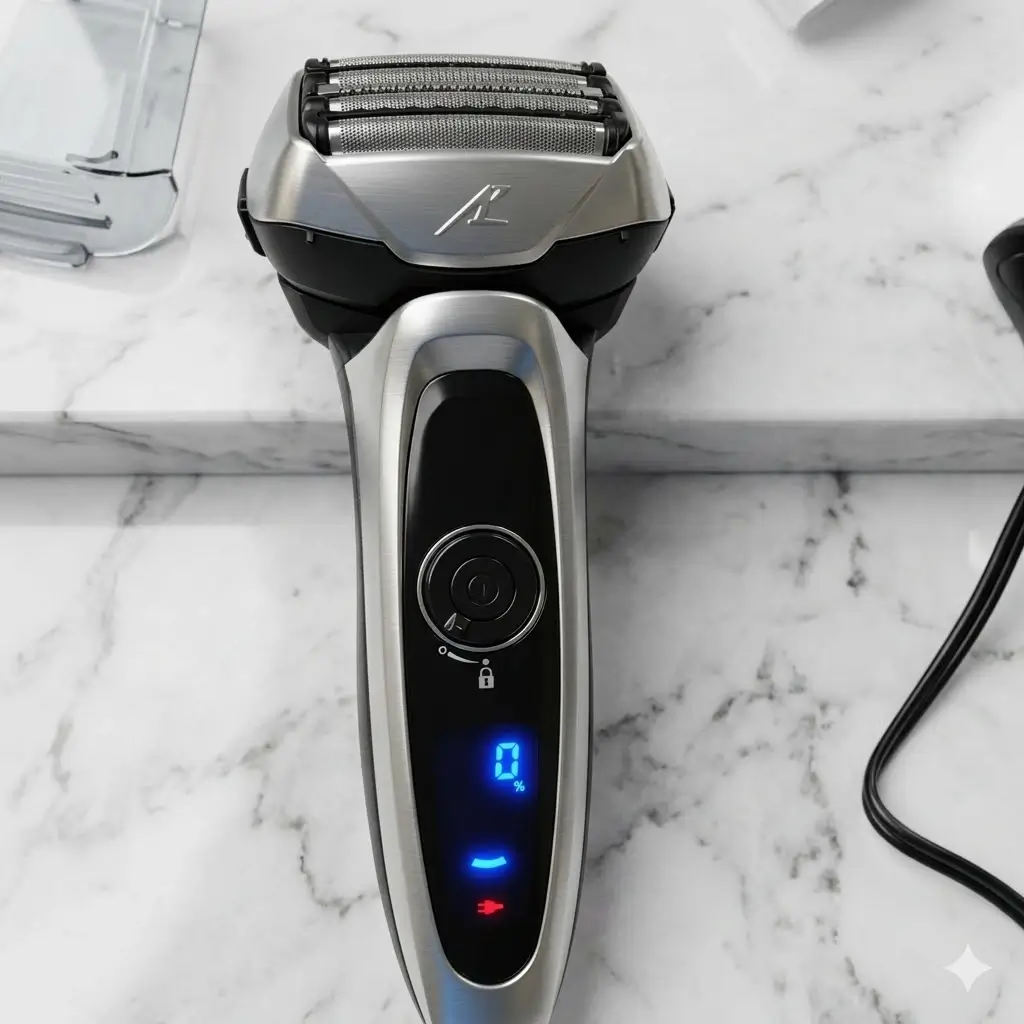
It may seem counterintuitive to include a 14,000 CPM linear motor in a list of quiet shavers, but the Panasonic ARC5 earns its spot through sound consistency. While it registers around 70 dB at ear proximity, it doesn’t rattle or mechanical-clank like cheap foil razors; it produces a refined, high-speed “singing” pitch.
Who It’s For: Ideal for the man who wants a fast, scalp-level close shave with minimal passes, significantly reducing total exposure time to noise.
Step-by-Step: How to Perform a Silent Head Shave
Pre-shave thermal softening combined with low-friction shaving lubricants decreases motor cutting resistance and operational noise by up to 40%. Achieving a silent shave is 50% tool quality and 50% technique. Following the foundational stroke dynamics outlined in our tutorial on how to shave your head with an electric shaver ensures minimal motor strain and maximum acoustic comfort:
- Prep the Scalp with Warm Water: Warm water softens coarse stubble, reducing cutting resistance by up to 40%. Less resistance means your shaver motor works effortlessly without revving up.
- Apply a Light Shave Oil or Gel: A thin layer of shave gel reduces blade-to-skin drag, cutting down on high-frequency friction noise.
- Use Gentle Circular Motions: Allow the weight of the shaver to do the work. Pressing hard against the scalp forces the motor to drag, drastically increasing mechanical pitch.
- Rinse Blades Frequently During Use: Accumulated hair dust inside the shaving heads increases internal friction. Quick mid-shave rinses keep the blades spinning freely and quietly.
The Science of Silence: What Makes a Shaver Quiet?
Internal rubberized gaskets and brushless motor magnets decouple mechanical vibrations from the exterior housing to suppress airborne sound waves. To truly appreciate quiet electric shavers for bald heads, it helps to understand what is happening inside the device. Shaver noise is caused by three primary engineering elements: motor drive mechanism, internal housing dampening, and blade friction.
Rotary vs. Foil: The Frequency Battle
Foil shavers use reciprocating motors moving blades back and forth thousands of times per minute, producing high-frequency sound waves. Rotary shavers utilize continuous spinning motion, which naturally creates lower-frequency acoustic signatures that are significantly less intrusive to human ears.
Internal Rubberized Dampening
Premium shavers mount the inner motor on rubber gaskets. This decouples the engine vibrations from the outer plastic chassis, drastically dampening the overall noise output.
Maintenance: How to Keep Your Shaver Quiet
Regular mineral oil lubrication and bi-weekly hair chamber rinses prevent friction drag that increases shaver motor volume by up to 8 dB. Neglected shavers quickly become loud shavers due to increased mechanical friction. Follow these three simple maintenance steps:
1. Regular Lubrication
Apply one drop of mineral oil or specialized blade spray weekly. Lubrication minimizes metal-on-skin friction, maintaining a whisper-quiet blade glide.
2. Clear Out Hair Dust
Fine hair clippings accumulate around gear shafts, placing additional strain on the motor. Rinse or brush out hair chambers every 2-3 shaves.
3. Timely Blade Replacement
Dull blades pull hair and increase resistance, forcing the motor to work harder. Replace your cutter heads every 6 to 12 months for peak acoustic efficiency.
Frequently Asked Questions (FAQ)
Acoustic testing data resolves common inquiries regarding thick hair torque, temporal bone conduction, and blade lubrication protocols.
Q: Does a quiet shaver have enough power for thick scalp hair?
Yes. Quiet electric shavers utilize modern brushless or linear motors that deliver high torque and cutting power without relying on loud, unrefined mechanical gears.
Q: Why does my shaver get louder when I press down on my head?
Pressing down increases friction between the cutter and skin guards. This extra load strains the motor, making it louder. Let the shaver float gently over your scalp.
Q: Are manual safety razors better for silence?
Manual razors are silent, but electric shavers offer unmatched speed, convenience, and protection against cuts while maintaining low noise levels.
Q: Will using shave gel make my shaver quieter?
Yes. Wet shaving with a gel or cream reduces metal-on-skin friction, dampening operational noise while protecting sensitive scalps from irritation.
Q: How often should I oil my shaver to maintain low noise levels?
Apply 1-2 drops of shaver lubricant or lightweight mineral oil once a week. Dry friction is the primary cause of sudden noise increases in electric razors.
Q: Can a noisy shaver cause hearing damage over time?
While most shavers do not exceed 85 dB (the threshold for hearing damage), operating a loud 75+ dB shaver directly over your ears every morning can cause auditory fatigue and bone-conduction discomfort.
Conclusion: Reclaim Your Morning Routine
Selecting a low-decibel electric head shaver eliminates auditory fatigue while preserving skin-close cutting efficiency across daily grooming sessions.
Choosing one of the top quiet electric shavers for bald heads is an investment in your personal well-being. By opting for a device designed with acoustic balance and motor efficiency in mind, you transform a noisy chore into a peaceful daily ritual.