
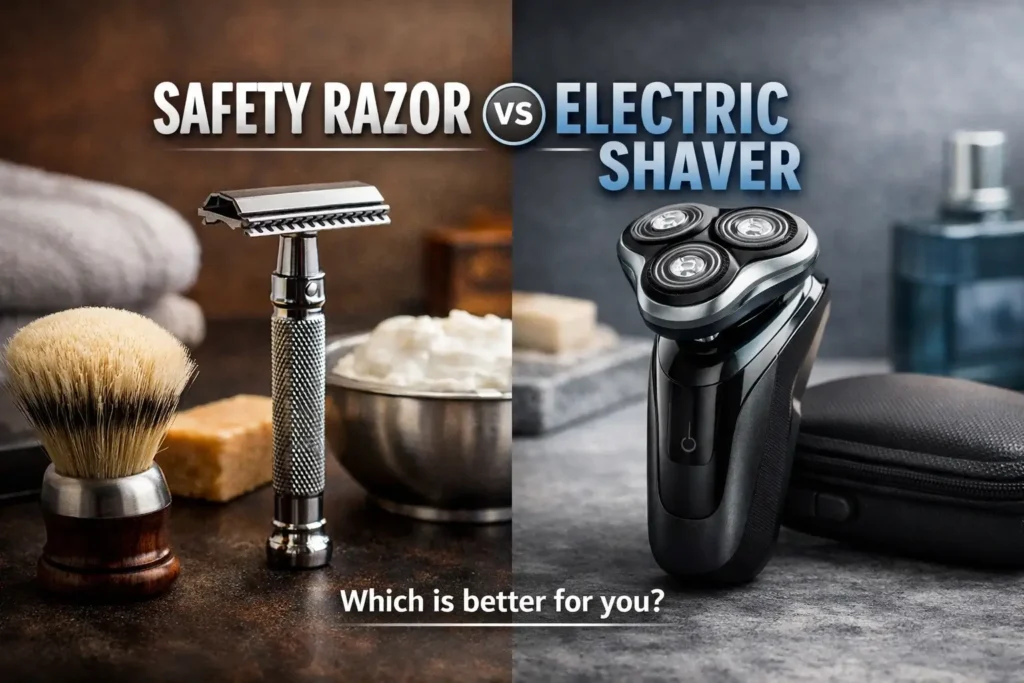
Safety Razor vs Electric Shaver – expert comparison on shave quality, skin irritation, cost, and maintenance. Discover which razor suits you best.
Choosing the right shaving tool has become an essential part of modern men’s grooming, especially as more people focus on skin health and long-term comfort. Today, the debate around Safety Razor vs Electric Shaver continues to grow, as both options offer very different shaving experiences depending on beard type, skin sensitivity, and daily routine.
A safety razor is closely linked to traditional wet shaving, delivering precise control and an exceptionally close shave. Grooming experts often recommend it for men dealing with ingrown hairs, razor bumps, or coarse facial hair. In contrast, an electric shaver emphasizes speed and convenience, making it a popular choice for busy individuals who want a quick, low-effort shave with minimal risk of cuts.
When comparing electric shaver vs razor, it’s important to look beyond convenience alone. Shave closeness, irritation, maintenance costs, learning curve, and long-term value all play a role in determining which option is better for your skin. While electric shavers are praised for ease of use and daily comfort, safety razors stand out for their skin-friendly design and cost efficiency over time.
This expert guide on Safety Razor vs Electric Shaver offers an objective, experience-based comparison to help you choose the shaving method that best matches your grooming goals, lifestyle, and skin needs—so you can enjoy a smoother shave and healthier skin every day.
Quick Comparison – Safety Razor vs Electric Shaver
| Criteria | Safety Razor | Electric Shaver |
|---|---|---|
| Shave Closeness | Extremely close shave, cuts hair at skin level | Moderate closeness, does not shave as deeply |
| Skin Irritation | Low irritation when used correctly; great for sensitive skin | Very low risk of cuts; may still cause irritation on coarse hair |
| Learning Curve | Requires proper technique and practice | Very easy to use, beginner-friendly |
| Speed & Convenience | Slower, ideal for mindful grooming | Fast and convenient for daily shaving |
| Daily Use | Better for every 2–3 days of shaving | Ideal for everyday use |
| Long-Term Cost | Low cost; blades are inexpensive | Higher cost; replacement heads and batteries |
| Maintenance | Simple cleaning, minimal parts | Requires regular charging and part replacement |
| Travel Friendly | No charging needed, TSA-friendly | Convenient but depends on battery life |
| Best For | Close shave lovers, sensitive skin, coarse beards | Busy lifestyles, beginners, quick shaves |
👉 Quick takeaway:
If you prioritize maximum shave closeness and skin control, a safety razor is the better choice. If speed, ease of use, and convenience matter more, an electric shaver will fit your daily routine perfectly.
Safety Razor Review – Classic Precision & Ultimate Close Shave
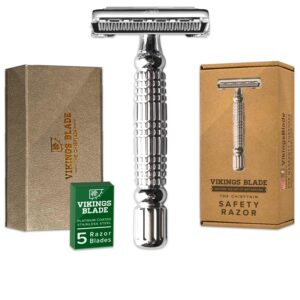
What Is a Safety Razor?
A safety razor is a traditional shaving tool featuring a single, double-edged blade held within a protective frame. Unlike disposable cartridges with multiple blades, a safety razor provides a clean, direct contact between blade and hair, giving you a closer and more controlled shave. This tool is often favored by grooming professionals and shaving enthusiasts who appreciate classic techniques and superior shaving quality.
Advantages of Safety Razors
✔ Ultra-Close Shave – Safety razors are known for delivering one of the closest shaves possible without pulling or tugging on facial hair, making them ideal for men who want a smooth finish that lasts.
✔ Better for Sensitive Skin – With only one blade cutting each hair, irritation, razor burn, and ingrown hairs are often reduced compared to multi-blade systems.
✔ Cost-Effective Long Term – Double-edged blades are inexpensive and easy to replace, helping lower your shaving costs over time.
✔ Environmentally Friendly – Metal construction and recyclable blades make safety razors a more sustainable choice than disposable cartridges.
✔ Precision Control – You can adjust angle and pressure to shape lines, beards, and sideburns with high accuracy.
Drawbacks You Should Know
⚠ Steeper Learning Curve – Mastering the technique takes practice, especially for beginners who are used to electric shavers or cartridge razors.
⚠ Time-Consuming – Shaving with a safety razor isn’t as fast as using an electric shaver; it’s a more intentional process.
⚠ Initial Investment – Although blades are cheap, quality safety razors can be pricier upfront.
Who Should Choose a Safety Razor?
A safety razor is perfect for men who value a premium shaving experience, especially if you have thick facial hair, sensitive skin, or want the closest shave possible. It’s also an excellent choice for those who appreciate traditional grooming techniques and want to reduce long-term shaving costs without compromising quality.
👉 Bottom line: For those who want precision, control, and lasting smoothness, a safety razor remains one of the best shaving tools available.
Electric Shaver Review – Speed, Convenience & Modern Comfort
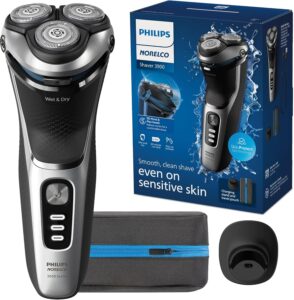
What Is an Electric Shaver?
An electric shaver is a battery-powered grooming device designed to remove facial hair quickly and efficiently. There are two main types—foil and rotary—each optimized for different beard textures and shaving styles. Unlike a safety razor, an electric shaver doesn’t require shaving cream or water (though many modern models support wet/dry use), making it a versatile choice for today’s busy lifestyle.
Pros of Electric Shavers
✔ Fast & Convenient – Electric shavers are built for speed. They can shave a full beard in minutes without the need for lathering, rinsing, or prep, which makes them ideal for daily use or busy mornings.
✔ Beginner-Friendly – No steep learning curve: just switch on and glide across the skin. Perfect for men who are new to grooming or want a fuss-free shave.
✔ Low Risk of Cuts – The design of electric blades keeps the skin protected, reducing the chance of nicks and razor cuts—especially helpful for those with sensitive or reactive skin.
✔ Versatile Use – Many modern electric shavers can handle wet or dry shaving, and some include attachments for trimming sideburns, beards, and even body hair.
✔ Great for Travel – Cordless operation and rechargeable batteries mean you can shave on the go without needing shaving cream, water, or extra accessories.
Cons to Consider
⚠ Not as Close as a Safety Razor – While convenient, most electric shavers don’t shave as closely to the skin as a quality safety razor, which can leave a slight stubble feel.
⚠ Ongoing Costs – Replacement heads and foils are more expensive than traditional safety razor blades and require periodic changing.
⚠ Battery Dependence – You’ll need to charge regularly; performance may decline over time if batteries degrade.
Who Should Use an Electric Shaver?
An electric shaver is perfect for men who want efficiency and comfort. It’s ideal if you shave daily, value quick grooming routines, travel often, or simply prefer a less traditional shaving experience with minimal mess and fuss.
👉 Bottom line: If your priority is speed, ease of use, and everyday convenience, an electric shaver delivers a smooth, reliable shave with modern comfort and minimal effort.
Head-to-Head Comparison – Safety Razor vs Electric Shaver
Shave Closeness & Smoothness
-
Safety Razor: Provides an exceptionally close shave, cutting hair at skin level. This results in a smoother feel that lasts longer between shaves.
-
Electric Shaver: Delivers a clean look, but generally not as close as a safety razor, especially if you have thick or coarse facial hair.
👉 Verdict: If your priority is the closest possible shave, the safety razor wins.
Skin Irritation & Razor Burn
-
Safety Razor: With proper technique and prep (like good lather and correct angle), safety razors can reduce razor burn and ingrown hairs because there’s only one blade passing over the skin.
-
Electric Shaver: Electric models often cause less immediate irritation and virtually no cuts, as they don’t chop hair at the skin level. This can be beneficial for very sensitive skin.
👉 Verdict: For sensitive skin beginners, electric shavers may feel gentler at first, but for long-term vs irritation, many pros prefer safety razors.
Cost – Short-Term vs Long-Term
-
Safety Razor: Upfront cost can be low to moderate. Replacement razor blades are very affordable, making the total cost lower over time.
-
Electric Shaver: Typically, a higher initial price. Replacement foils/heads and battery wear can add to cost, especially for premium models.
👉 Verdict: Safety razors are more cost-effective long-term.
Maintenance & Durability
-
Safety Razor: Extremely simple—just clean the razor and swap blades. No electronics to fail.
-
Electric Shaver: Requires charging and occasional part replacements (foils, cutters, batteries). Failure of electronic parts can be expensive.
👉 Verdict: Safety razors are easier to maintain and often more durable.
Daily Convenience & Speed
-
Safety Razor: Takes more time and technique: lathering, careful strokes, clean-up.
-
Electric Shaver: Fastest option—no cream or water needed. Great for rushed mornings and on-the-go grooming.
👉 Verdict: Electric shavers win on speed and daily convenience.
Travel & Portability
-
Safety Razor: No charging required; safe for TSA carry-on, but needs water and lather for best results.
-
Electric Shaver: Cordless models are handy but depend on battery life; some require specific chargers.
👉 Verdict: Both travel well—electric shavers edge ahead if battery life is good.
Best for Different Grooming Needs
✔ Safety Razor: Best for Ultra-Close Shaves, Thick Beard, Sensitive Skin, Traditional Grooming
✔ Electric Shaver: Best for Quick Daily Shaves, Beginners, Modern Lifestyles, Low-Maintenance Grooming
Summary: Safety Razor vs Electric Shaver
| Feature | Safety Razor | Electric Shaver |
|---|---|---|
| Close Shave | ⭐⭐⭐⭐⭐ | ⭐⭐⭐ |
| Skin Comfort | ⭐⭐⭐⭐ | ⭐⭐⭐⭐ |
| Cost Efficiency | ⭐⭐⭐⭐⭐ | ⭐⭐ |
| Ease of Use | ⭐⭐ | ⭐⭐⭐⭐⭐ |
| Speed | ⭐⭐ | ⭐⭐⭐⭐⭐ |
| Maintenance | ⭐⭐⭐⭐ | ⭐⭐ |
👉 Overall: Safety razors deliver maximum shave quality and long-term value, while electric shavers excel in speed, comfort, and convenience. Your choice should reflect your shaving goals, lifestyle, and skin needs.
Which One Should You Choose?
Choosing between a safety razor vs electric shaver isn’t about picking the “best” tool universally — it’s about finding the one that fits your skin type, grooming habits, lifestyle, and priorities. Below is a practical guide to help you decide with confidence.
Choose a Safety Razor If…
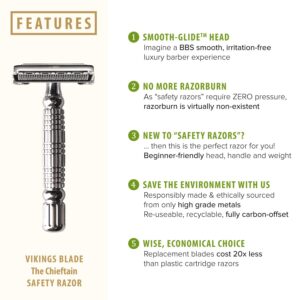
🎯 You want the closest shave possible
The safety razor cuts hair right at skin level, giving you a smoother face that lasts longer between shaves — perfect if you prefer a clean, polished look.
🧴 You have sensitive skin or suffer from irritation
With just one blade gliding across your skin, there’s less pulling, scraping, and multiple passes, which often means fewer razor bumps and ingrown hairs — especially when paired with good pre-shave prep.
💸 You care about long-term cost effectiveness
While safety razors may have a moderate upfront cost, the blades are very affordable and can be recycled, making this choice cost-efficient over time.
🪒 You enjoy traditional grooming and control
If you love the ritual of a proper wet shave and want precise control around facial lines and beard edges, nothing beats the tactile feel of a safety razor.
✔ Best for: Thick/coarse beards, sensitive skin, traditional wet shavers, detail-oriented grooming
Choose an Electric Shaver If…
⏱️ You value speed and convenience
Electric shavers are designed to be quick — no lather, no water, no fuss. Perfect for busy mornings or travel.
🙂 You’re new to shaving or want a low risk of cuts
Electric razors are easy to use, safe, and beginner-friendly — ideal if you dislike nicks or razor cuts.
🧳 You’re often on the go
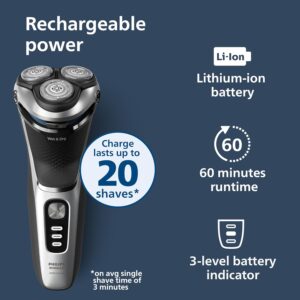
Cordless and rechargeable, electric shavers let you shave anywhere — at home, in the office, or while traveling.
🔌 You prefer a modern grooming experience
Many models offer wet/dry options, pop-up trimmers, and ergonomic designs, providing flexibility for daily grooming routines.
✔ Best for: Daily shavers, fast-paced lifestyles, beginners, those who prioritize convenience
Quick Decision Cheat Sheet
| Your Priority | Best Choice |
|---|---|
| Closest shave | Safety Razor |
| Minimal irritation (sensitive skin) | Safety Razor |
| Fast & effortless | Electric Shaver |
| Travel-friendly convenience | Electric Shaver |
| Low long-term cost | Safety Razor |
| Beginner-friendly grooming | Electric Shaver |
Final Recommendation
There’s no one-size-fits-all answer — but here’s a simple rule:
👉 If you prioritize precision, control, and a classic shave, go with a safety razor.
👉 If you want ease, speed, and modern comfort, choose an electric shaver.
Whatever you choose, make sure it matches your daily routine and skin needs — and you’ll enjoy a better, more confident shave every time.
FAQs – Safety Razor vs Electric Shaver
❓ Is a safety razor better than an electric shaver?
There is no absolute “better” option—it depends on your needs. A safety razor offers a closer, more precise shave and is often preferred by grooming experts. An electric shaver focuses on speed and convenience, making it ideal for busy lifestyles and beginners.
❓ Which is better for sensitive skin: a safety razor or an electric shaver?
For long-term skin health, many dermatologists and barbers favor safety razors because a single blade reduces friction and ingrown hairs. However, if you’re new to shaving or prone to cuts, an electric shaver may feel gentler at first.
❓ Does an electric shaver cause less razor burn?
In many cases, yes—especially for daily shaving. Electric shavers don’t cut hair as close to the skin, which can reduce immediate razor burn. That said, they may not prevent ingrown hairs as effectively as a properly used safety razor.
❓ Which shaving method gives the closest shave?
A safety razor clearly wins in terms of shave closeness. It cuts hair at the skin level, resulting in a smoother finish that lasts longer compared to most electric shavers.
❓ Is a safety razor cheaper in the long run?
Yes. While both tools can vary in price, safety razor blades are significantly cheaper than replacement heads or foils for electric shavers, making safety razors more cost-effective over time.
❓ Can I use both a safety razor and an electric shaver?
Absolutely. Many men use an electric shaver for quick daily grooming and switch to a safety razor for a deep, close shave once or twice a week. This hybrid approach offers the best of both worlds.
❓ Which option is better for travel?
Both can work well. A safety razor doesn’t require charging but works best with shaving cream and water. An electric shaver is extremely convenient for travel—just make sure the battery life suits your needs.
❓ Are safety razors difficult for beginners?
There is a learning curve, but most users become comfortable within a few weeks. With proper technique, a safety razor can deliver better results than most electric shavers.

Adam Lee is a personal care enthusiast and a veteran of the traditional wet shaving community, with over 10 years of experience testing artisanal and heritage soaps, aftershaves, and razors. At Men Review Hub, he personally puts every product through a minimum 30-day real-world trial to ensure you get an honest, practical look at what truly deserves a spot in your bathroom cabinet.