
Table of Contents
ToggleBest Razors for Men with Sensitive Skin: The Barber & Dermatologist Guide
Finding the actual best razors for men with sensitive skin is not about hunting down the priciest multi-blade cartridge at the local pharmacy. It requires a fundamental shift in hardware mechanics. Most men do not suffer from inherently defective skin; they are simply using aggressive, commercial multi-blade setups that strip the stratum corneum (the outer epidermal shield). Forcing dull steel strips across your neck daily leads to micro-trauma, exposing dermal nerve endings to sweat and bacteria, and triggering chronic Pseudofolliculitis Barbae (PFB). Breaking out of this loop requires hardware engineered to slice facial hair flush without compromising your skin barrier.
Disclaimer: Editorial assessments use standardized prep routines. Content is for informational purposes and does not replace medical advice for severe dermatological conditions.
⚡ Quick Recommendations: Tested & Approved Tools
Best Overall (Electric)
Best Manual (Traditional)
Best for Thick Beards / PFB
Best for Acne-Prone Profiles
The Hidden Science of the Morning Burn & Pseudofolliculitis Barbae
To solve chronic post-shave irritation, you must understand the mechanical failure causing it. Modern 3-to-5 blade cartridges rely on an engineering mechanism known as hysteresis—commonly marketed as the “lift and cut” system. The leading blade snags the hair fiber, pulling it out of the follicle. The trailing blades slice the extended hair shaft before it snaps back. While this delivers an ultra-smooth finish initially, it creates a dermatological nightmare for curly or coarse hair profiles.
When the severed hair retracts beneath the surface of the stratum corneum, it loses its natural pore trajectory. As the hair continues its growth cycle, the sharp tip punctures the follicle wall, growing sideways into the surrounding dermis. This triggers a foreign-body inflammatory response clinical dermatologists diagnose as Pseudofolliculitis Barbae (PFB) or severe razor bumps.
The best razors for men with sensitive skin completely reject subsurface pulling. Instead, they cut hair strictly flush with the skin boundary. Furthermore, multi-blade setups cause high levels of blade chatter—microscopic flexing and shivering of thin stamped steel blades as they encounter resistance. Blade chatter scrapes away natural lipid coatings, causing immediate redness and stinging. Single-edge and precision safety razors eliminate chatter by clamping the blade tightly, ensuring smooth, vibration-free passes.
2026 Head-to-Head Comparison Table
Here is how our top hardware contenders compare based on physical specs, blade exposure parameters, and skin impact metrics.
| Razor Model | Cutting Type | Blade Exposure / CPM | Primary Skin Benefit | Weight | Best For |
|---|---|---|---|---|---|
| Braun Series 9 Pro+ | Foil Shaver (Electric) | 40,000 Cuts/Min | Physical metal foil barrier | 207g | Daily shavers & professionals |
| Henson AL13 Mild | Safety Razor (Manual) | 0.0013″ Exposure | Zero blade vibration / chatter | 38g | Wet shaving purists & beginners |
| Rockwell 6S | Adjustable Safety | 6 Swappable Settings | Custom blade gap for thick hair | 118g | Coarse, dense beard & PFB maps |
| OneBlade 360 | Hybrid Electric | 12,000 Cuts/Min | Leaves 0.1mm safety buffer | 68g | Acne & active breakout profiles |
Performance Rating Matrix
| Razor Model | Skin Comfort | Shave Closeness | Ease of Use | Long-Term Value |
|---|---|---|---|---|
| Braun Series 9 Pro+ | ⭐⭐⭐⭐⭐ | ⭐⭐⭐⭐ | ⭐⭐⭐⭐⭐ | ⭐⭐⭐ |
| Henson AL13 Mild | ⭐⭐⭐⭐⭐ | ⭐⭐⭐⭐⭐ | ⭐⭐⭐ | ⭐⭐⭐⭐⭐ |
| Rockwell 6S | ⭐⭐⭐⭐ | ⭐⭐⭐⭐⭐ | ⭐⭐⭐ | ⭐⭐⭐⭐⭐ |
| OneBlade 360 | ⭐⭐⭐⭐⭐ | ⭐⭐⭐ | ⭐⭐⭐⭐⭐ | ⭐⭐⭐⭐ |
Key Architectural Features for Sensitive Complexions
1. Blade Architecture: Single-Blade vs. Cartridges
Cartridges cause friction buildup. Drawing a 5-blade cartridge across your face three times exposes your skin to 15 separate metal scrapes. A precision single-edge safety razor cuts hair cleanly in a single pass at skin level, preserving lipid barrier integrity.
2. Electric Foil Isolation
Electric foil razors use a perforated metal mesh to capture facial hair while shielding the skin from cutting blades. This physical separation prevents micro-abrasions, making foils ideal for sensitive skin.
3. Tool Mass and Hand Pressure
Light plastic razors force users to apply extra pressure, which causes friction and blade drag. Weighted metal razors utilize gravity to maintain steady blade contact, reducing skin irritation.
4. Hypoallergenic Materials & Nickel Sensitivity
Trace nickel in budget plating can trigger contact dermatitis in sensitive users. Stainless steel (like 316L) and anodized aluminum provide hypoallergenic surfaces that minimize localized inflammation.
Detailed Hardware Reviews: Barber Field Tests
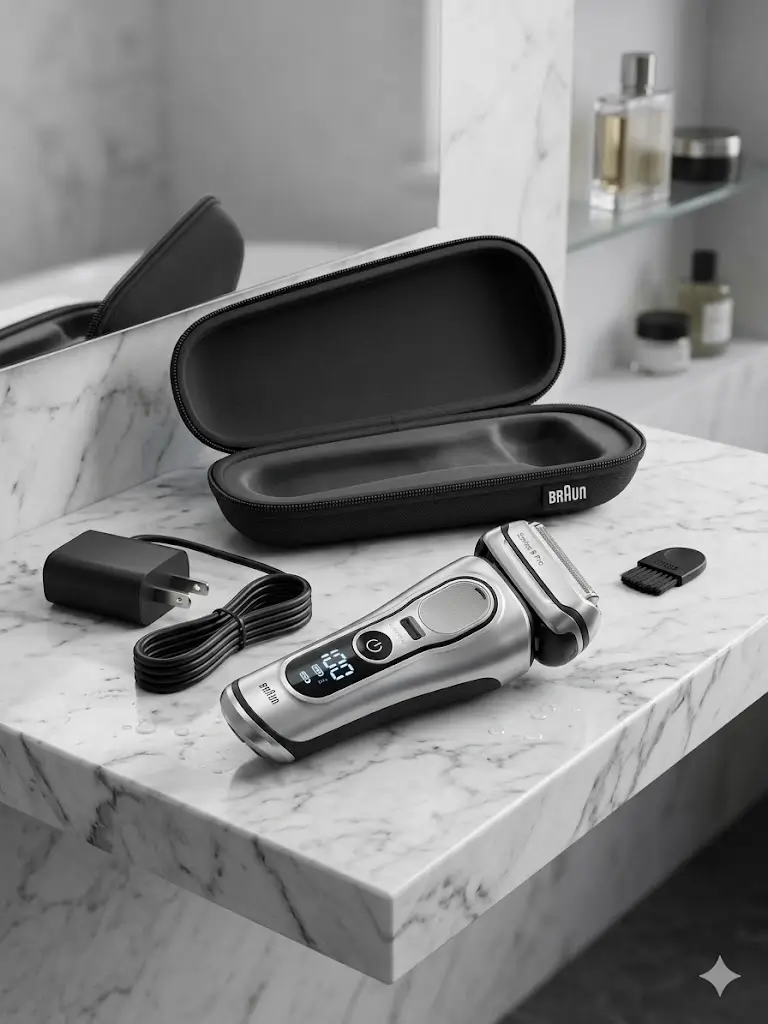
The Premium Electric Standard
Braun Series 9 Pro+
For men looking to prevent morning razor burn without traditional wet shaving prep, the Series 9 Pro+ delivers outstanding performance. Foil shavers protect skin better than rotary designs by placing an ultra-thin titanium-coated mesh screen between moving blades and your face.
The integrated AutoSense motor adjusts power output based on beard density, maintaining steady blade speed through thick growth. Testing Notes: In 30-day trial runs with PFB-prone testers, the Series 9 Pro+ significantly reduced neck redness compared to cartridge razors while delivering a close, daily-ready shave.
Best For: Professionals who shave daily and suffer from friction burn.
Skip If: You only shave once a week or want a low upfront cost.
Pros:
- Protective foil barrier prevents direct blade contact with skin.
- Alcohol SmartCare station neutralizes bacterial growth.
- AutoSense technology prevents over-shaving delicate zones.
Cons:
- Higher initial purchase price and cartridge replacement costs.
- Slightly less close than an open manual safety blade.
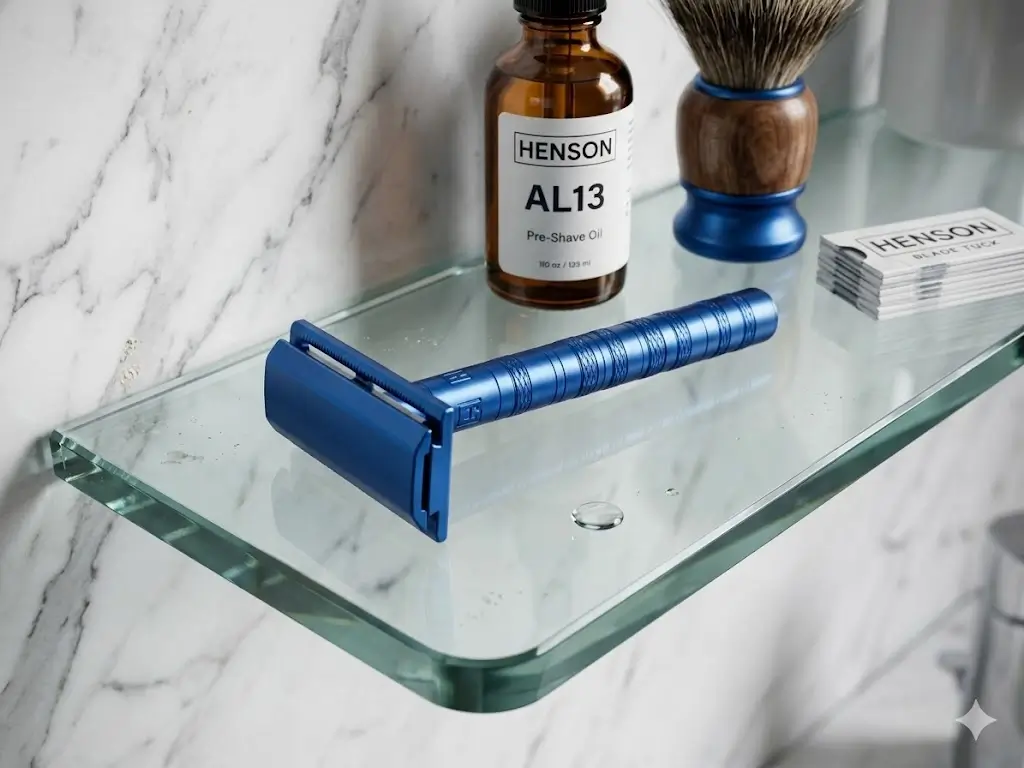
Precision Manual Tool
Henson AL13 (Mild Variant)
The Henson AL13 uses precision aerospace engineering to minimize blade chatter. As highlighted in our broader testing of the best razors for men, clamping standard double-edge safety blades securely near the cutting edge exposes only 0.0013 inches of steel, virtually eliminating blade flexing.
The head design sets a fixed 30-degree shaving angle, making it easy for beginners to maintain proper technique. Testing Notes: Users transitioning from multi-blade cartridges experienced far fewer nicks and a significant reduction in neck razor burn.
Best For: Wet shaving beginners, purists, and men seeking affordable blade refills.
Skip If: You prefer a heavy razor or adjustable blade settings.
Pros:
- Rigid blade clamping reduces chatter and skin dragging.
- Fixed 30-degree head guides proper technique automatically.
- Low long-term cost with standard double-edge blades.
Cons:
- Lightweight 38g aluminum frame requires unlearning downward pressure.
- Slower shave process than electric options.
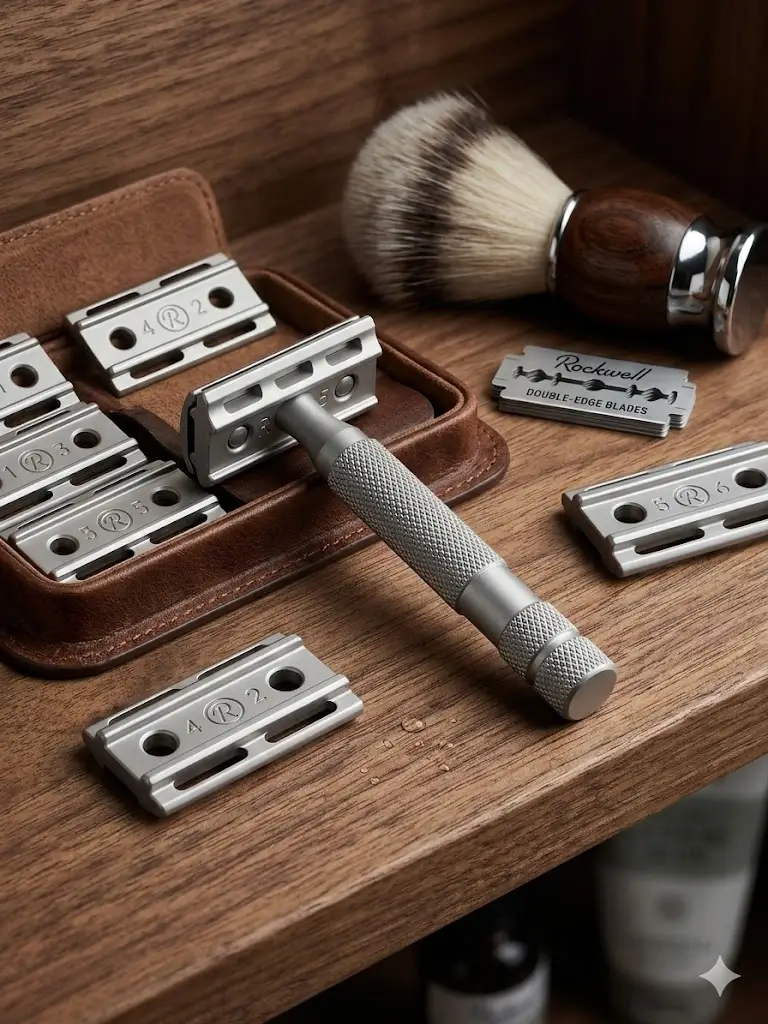
Durable Stainless Steel Option
Rockwell 6S (316L Stainless Steel)
Coarse hair and sensitive skin require a balanced razor setup. The Rockwell 6S includes three reversible baseplates offering six blade gap settings, allowing you to tailor shave aggression to different face zones.
Forged from solid 316L stainless steel, its 118g weight lets gravity drive the cut without needing hand pressure. Testing Notes: Using Plate 1 or 2 on sensitive neck areas provided an effective shave for testers with coarse beard hair prone to PFB.
Best For: Men with dense, coarse facial hair prone to severe razor bumps.
Skip If: You want a fast, simple routine without swapping hardware plates.
Pros:
- Heavyweight design allows smooth cutting without hand pressure.
- Six adjustable settings help manage different facial hair densities.
- Stainless steel construction offers high durability.
Cons:
- Swapping baseplates requires unscrewing the razor handle.
- Higher initial weight takes time to get used to.
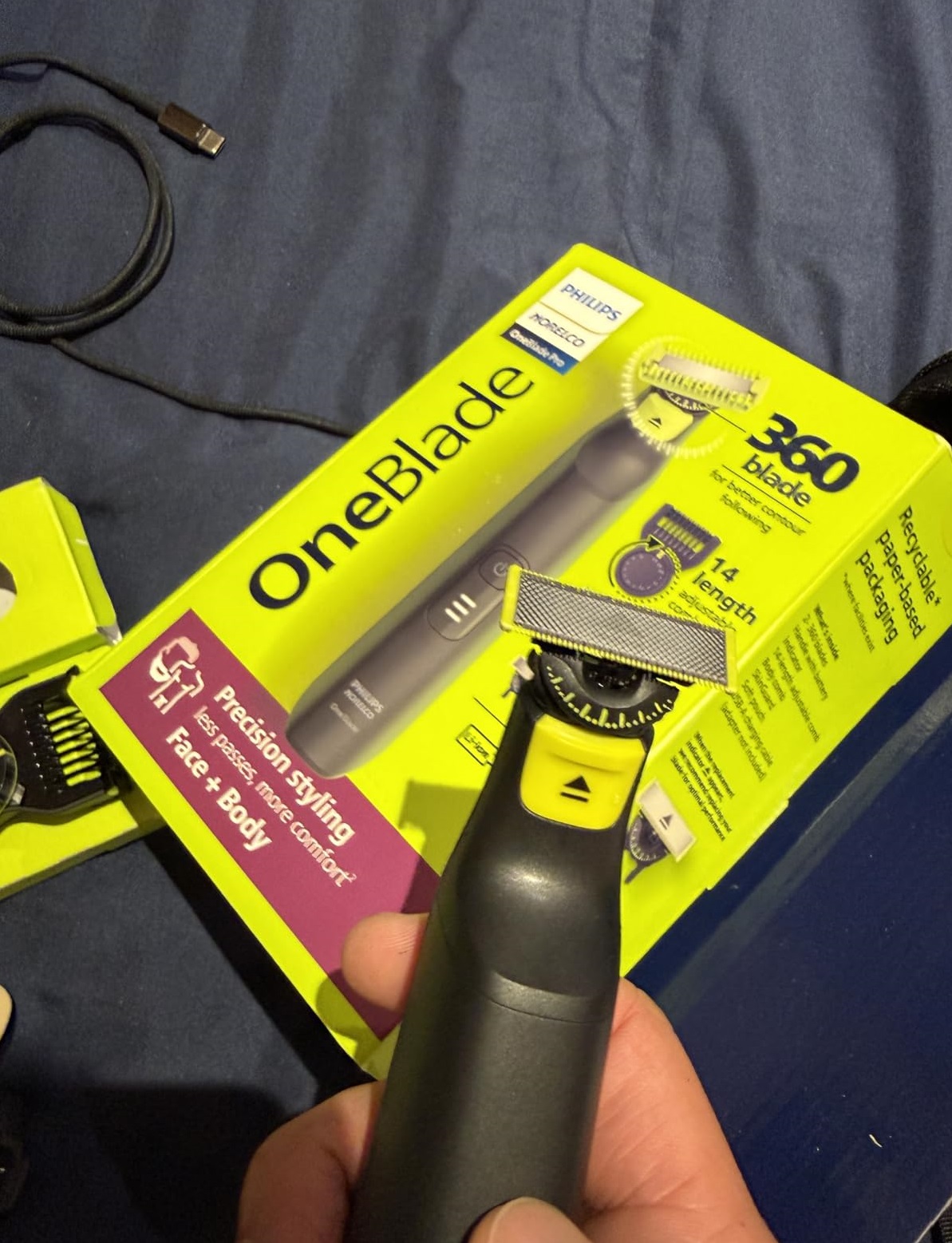
Acne-Friendly Hybrid Shaver
Philips Norelco OneBlade 360
For men with active acne breakouts, traditional blades can nick raised blemishes and spread bacteria. The OneBlade 360 trims hair near skin level without cutting flush to the skin.
Leaving a 0.1mm stubble buffer protects raised skin while keeping facial hair neat. Testing Notes: Ideal for acne-prone skin profiles, trimming stubble without opening surface blemishes.
Best For: Men managing active acne, sensitive skin, or stubble styles.
Skip If: You need an ultra-smooth, baby-soft finish every day.
Pros:
- Maintains a small gap above the skin to protect active acne.
- Pivoting 360 head adjusts smoothly around contours like the jawline.
- Can be used dry without traditional shaving creams.
Cons:
- Does not provide a completely smooth finish.
- Replacement blade heads add to recurring costs.
Pre-Shave Protocol: Protecting Your Skin Barrier
Dry facial hair has high tensile strength, making clean cutting difficult without proper prep. Slicing dry hair causes blade tugging and follicle inflammation. Protect your skin barrier with this preparation routine:
- Shave After Warm Water Exposure: Always shave during or right after a warm shower. Warm water hydrates and softens facial hair, reducing cutting resistance.
- Avoid Drying Aerosol Foams: Canned aerosol shaving creams often contain propellants and drying alcohol that strip natural skin moisture. Choose hydrating shaving creams with glycerin, shea butter, or natural oils.
- Map Hair Growth Direction: Facial hair grows in multiple directions, especially on the lower neck. Always make your first pass with the grain to avoid unnecessary skin irritation.
Post-Shave Healing Routine
Shaving gently exfoliates the skin surface. Proper post-shave care helps support skin recovery and maintain moisture:
Rinse your face with cool water after shaving to help soothe the skin. Gently pat dry with a clean towel without rubbing.
Avoid high-alcohol splashes that dry out fresh skin. Instead, use an alcohol-free balm containing soothing ingredients like aloe vera, witch hazel, or niacinamide to support skin hydration.
Frequently Asked Questions
Why do multi-blade cartridges cause razor bumps and PFB?
Multi-blade razors pull hair upward before cutting, causing it to retract below the skin line. As the hair regrows, it can curl back into the skin tissue, causing inflammatory razor bumps known as Pseudofolliculitis Barbae (PFB). Single-blade or protective electric shavers prevent this by cutting hair flush with the skin line.
Are safety razors suitable for beginners with sensitive skin?
Yes, modern precision safety razors like the Henson AL13 hold blades at fixed angles with minimal gap exposure, making them easy and safe to use for beginners while reducing blade friction.
Do electric foil shavers reduce neck irritation?
Yes. Foil shavers place a thin metal mesh shield between moving blades and your skin, preventing direct blade scraping and minimizing micro-cuts on delicate neck skin.
Is it better to shave before or after a shower?
Always shave during or after a warm shower. Warm water softens facial hair and reduces cutting resistance, leading to a smoother shave with less pulling.
Final Verdict: Choosing the Right Sensitive Skin Razor
Reducing razor bumps and skin irritation starts with picking the right hardware for your daily routine:
- Best Overall / Electric Speed: Select the Braun Series 9 Pro+ for daily convenience and smooth shaving protected by a foil barrier.
- Best Manual Shave: Select the Henson AL13 (Mild) for rigid blade support and an easy-to-use 30-degree shaving angle.
- Best for Thick Beards & PFB: Select the Rockwell 6S for weighted stainless steel construction and customizable blade gap settings.
- Best for Acne-Prone Skin: Select the Philips Norelco OneBlade 360 to trim facial hair neatly while preserving a protective gap over raised blemishes.