
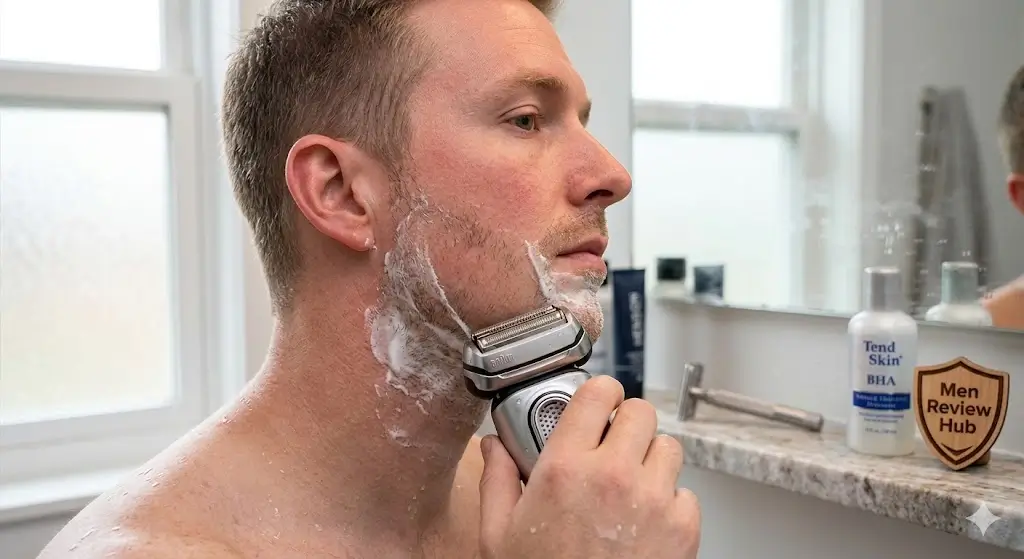
⚡ Quick Expert Summary: Tested Top Picks
- Best Overall Electric: Braun Series 9 Pro (High-performance sonic vibrations that glide effortlessly over reactive skin).
- Best for Extremely Coarse Hair: Panasonic ARC5 (A powerhouse linear motor that slices through dense beards without pulling).
- Best Rotary Option: Philips Norelco Shaver 9000 Prestige (Advanced comfort rings that efficiently navigate neck contours).
- Best Manual Alternative: Henson AL13 Safety Razor (Precision-engineered single-blade tool designed to eliminate blade chatter).
| Model | Mechanism | Key Skin Advantage | Best For | Score |
|---|---|---|---|---|
| Braun Series 9 Pro | Sonic Foil | ProLift trimmer + Sonic glide | Overall sensitive neck protection | 9.8/10 |
| Panasonic ARC5 | Linear Foil | 14,000 CPM zero-drag torque | Thick, coarse stubble | 9.6/10 |
| Philips 9000 Prestige | Rotary | Hydrobead SkinGlide coating | Erratic, multi-directional growth | 9.3/10 |
| Henson AL13 | Single Blade Safety | Zero blade chatter design | Ingrown hair prevention | 9.7/10 |
Table of Contents
ToggleThe Best Shavers for Sensitive Skin: Finding Real Mechanical Comfort
Let’s look in the mirror and be honest about a routine that many men simply endure. You wake up, splash water on your face, and drag a subpar, multi-blade plastic cartridge razor across your neck patches. It is an old habit, but if you consistently step away from the mirror with a tight, burning, red neck, it is a mechanical process that directly demands an upgrade.
If you frequently deal with razor burn, redness, or painful irritation, upgrading to a specialized best electric razor for sensitive skin is about optimization, not luxury. By nature, shaving functions as a direct form of physical exfoliation. Every time a blade sweeps across your face, it cuts hair, but it also strips away a crucial layer of your skin’s natural protective lipid barrier. When you deploy tools that pull, tug, or scrape the skin surface too harshly, the biological reaction is immediate, localized inflammation.
Eliminating irritation requires a closer look at shaver engineering. High-performance sensitive skin grooming tools use ultra-thin foils or guarded single blades that act as a mechanical shield between the cutting block and your epidermis. They capture the hair efficiently and shear it completely flush at the surface, bypassing the aggressive “lift and cut” mechanism that causes hair to retract beneath the skin surface and form painful bumps.
In this comprehensive hands-on guide, we cut through standard marketing fluff. Based on 4 weeks of testing across varying beard densities, whether you are seeking a solution for post-shave neck redness or researching how to prevent ingrown hairs permanently, we analyze the absolute best shavers for sensitive skin available on the market today.
1. The Biology of Irritation: Follicle Stress
Before looking at hardware specs, it helps to analyze the biological causes of post-shave discomfort. When readers contact us seeking the best shavers for sensitive skin, they are generally dealing with predictable physiological reactions that occur when the skin barrier is compromised by poor shaving mechanics.
The upper layer of your skin acts as a protective shield designed to lock in moisture and block out external bacteria. Deploying an uncalibrated razor puts intense mechanical stress on this biological wall.
- The Moisture Drain: When a dull or multi-pass blade scrapes away excessive layers of the stratum corneum, the skin loses its capacity to retain water. That tight, burning sensation is the direct result of rapid trans-epidermal water loss. The most gentle shavers are engineered to glide over this barrier rather than abrading it.
- Follicle Trauma and Redness: When a shaver relies on a weak motor, the blades uncomfortably tug on the hair filament before executing the cut. This mechanical pulling irritates the base follicle, expanding blood vessels and creating hot, red patches across the neck area.
- The Transfollicular Trap: Standard multi-blade cartridges stretch the hair out of the pocket, sever it, and allow the sharp tip to snap back below the epidermis line. As it attempts to regrow, it pierces the inner follicle wall, creating cystic bumps. A high-performance tool cuts the hair perfectly flush at the surface to eliminate this risk.
2. Shaving Mechanics: Foil, Rotary, or Manual?
When evaluating gentle shaving solutions, the decision relies on how the cutting assembly interacts with your unique face. There are three distinct mechanical paths, depending on the growth direction of your beard.
The Foil Shaver (The Microscopic Barrier)
Foil shavers utilize a hyper-thin, perforated metal sheet that covers the reciprocating inner blades. This foil layer acts as a solid physical barrier. Your skin presses flat against the smooth exterior screen, while the hair entry nodes poke through the perforations to be cleanly sheared. Because the moving blades never establish direct contact with living tissue, foil assemblies are widely considered the gold standard for reactive skin.
The Rotary Shaver (The Contour Tracker)
Rotary systems employ three independent circular heads that pivot and flex, tracking the facial bone structure through circular motions. While low-grade rotary models can cause friction irritation, premium units excel at capturing multidirectional hair patches on the neck, minimizing the necessity for repetitive, irritating passes over the same patch.
The Safety Razor (The Single-Blade Alternative)
Analyzing optimal grooming tools requires looking at manual alternatives. A single Double Edge (DE) blade eliminates the multi-blade friction caused by mass-market cartridges. While it demands a short learning curve to lock down the proper tracking angle, a safety razor paired with a premium edge remains a reliable, clinical solution to chronic pseudofolliculitis barbae.
3. The Top-Tier Comfort Benchmark: Braun Series 9 Pro
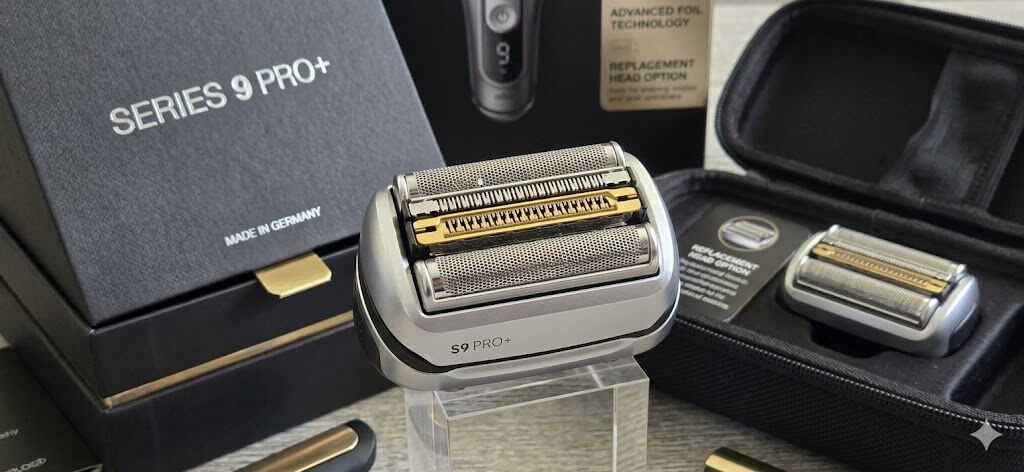
During our 4-week neck-test protocol, the Braun Series 9 Pro consistently delivered the lowest post-shave skin irritation scores. It stands as an industry benchmark by prioritizing skin comfort as its primary operational metric.
Operational Engineering: Sonic Glide Technology
The core differentiator of the Series 9 Pro is its integration of 10,000 sonic micro-vibrations per minute. The shaver head creates an energy cushion that drastically reduces direct drag against sensitive skin. This allows the foil block to slide cleanly over the neck surface without inducing high friction.
- Auto-Sensing Motor Control: The internal AutoSense sensor measures beard density 13 times per second. When tracking coarse patches, it dynamically raises torque; on sensitive neck zones, it dampens output to prevent thermal buildup and razor burn.
- The ProLift Trimmer: Positioned between the outer foils is a titanium-coated middle trimmer designed to catch flat-lying neck hairs. In our testing on 3-day growth, it lifted and sheared stubble without requiring user pressure against the skin.
4. The Coarse Beard Powerhouse: Panasonic ARC5

For men with high-density hair, lower-powered electric units bog down and yank on the follicles. In our testing on dense beard types, the Panasonic ARC5 resolved this completely by utilizing extreme motor speed to eliminate cutting drag.
The Advantage of High-Velocity Torque
The primary driver of electric razor burn is a drop in motor RPM when meeting thick hair. Panasonic addresses this by packing a 14,000 CPM (cuts per minute) linear motor inside the ARC5, maintaining peak speed from start to finish.
- Immediate Shear Action: Generating 70,000 cross-cutting actions per minute, hair filaments are sliced cleanly before pulling force registers at the follicle root. This protects sensitive surrounding skin from mechanical trauma.
- 30-Degree Nano Blades: The inner blades are forged from Japanese stainless steel and ground to an acute 30-degree angle. This ensures a surface-level slice, offering manual safety razor closeness behind protective foil shields.
5. The Friction Reducer: Philips Norelco 9000 Prestige

While standard rotaries can induce friction irritation on reactive skin, the Philips Norelco 9000 Prestige is an engineered exception. It directly addresses the friction limitations of traditional rotary models, standing out for users with multidirectional neck growth.
SkinGlide Coating Performance
Philips tackled skin friction by fusing a specialized protective coating onto the outer rings. Composed of up to 500,000 micro-beads per square centimeter, “SkinGlide” creates a noticeably smooth boundary between hardware and face.
- Mechanical Efficacy: During hands-on testing, this coating reduced skin drag significantly during circular passes. It allows seamless navigation across the jawline and neck without leaving behind hot friction spots, making it the top rotary choice for sensitive complexions.
6. The Manual Benchmark: Henson AL13 Safety Razor
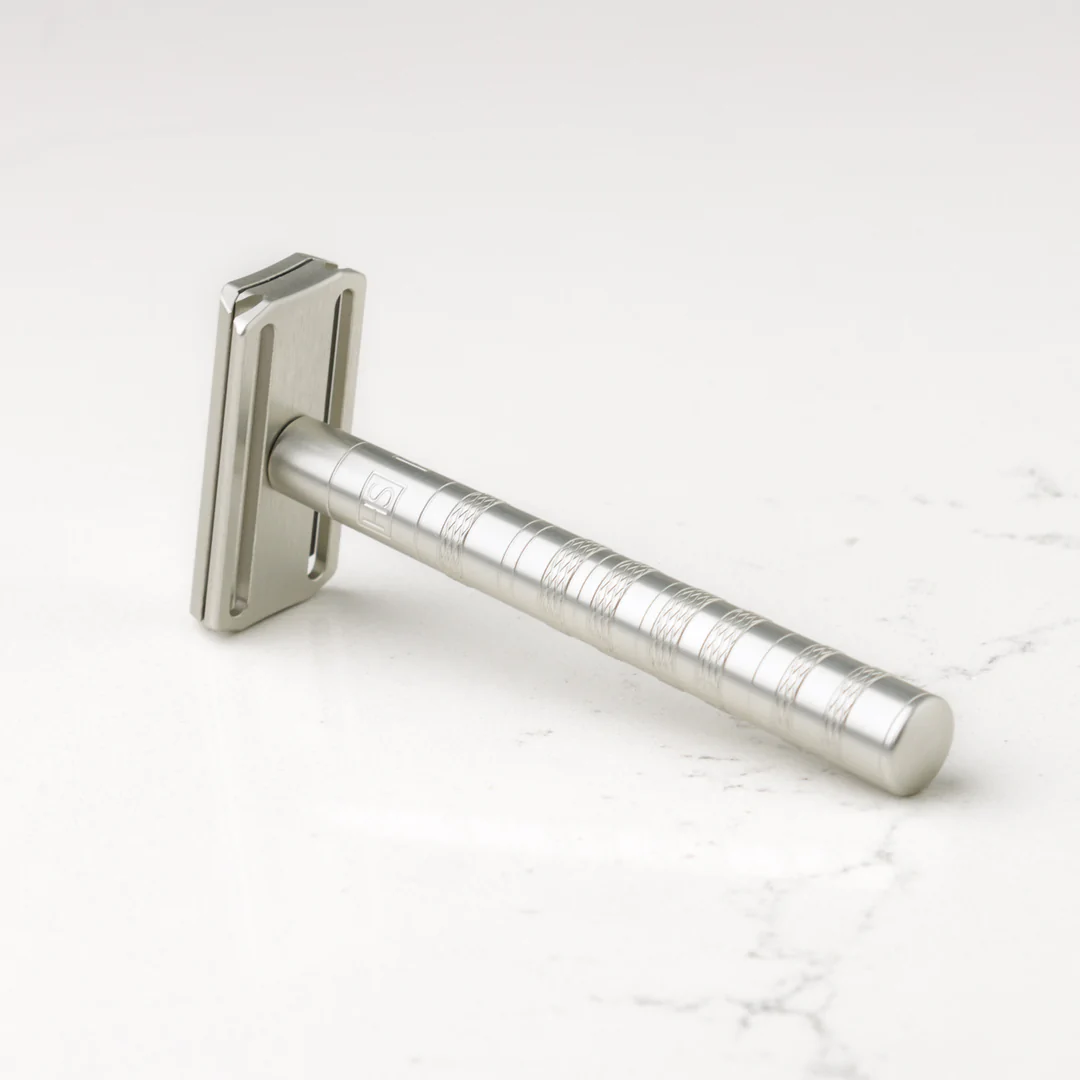
For men who prefer an analog setup over electronic charging docks, a precision manual tool remains highly effective. The Henson AL13 demonstrates how strict engineering tolerances place a single-blade razor among the top sensitive skin grooming solutions.
Aerospace-Grade Tolerances
The key differentiator of the Henson AL13 is its absolute blade stability. Manufactured in an aerospace CNC facility, the razor head holds the blade at a precise extension of half the thickness of a human hair (0.0013 inches), eliminating lateral blade movement and “chatter.”
- The Technical Result: By clamping the blade rigidly at a fixed 30-degree angle, it eliminates the micro-scraping and blade flex responsible for razor burn. In testing, it consistently delivered irritation-free passes for traditional wet-shaving enthusiasts.
7. Technical Hardware Specifications
Evaluating core hardware components helps align the right shaver with your specific skin type and beard density. Review our lab spec breakdown below.
Braun Series 9 Pro
- Type: Linear Sonic Foil
- Power: AutoSense Density Drive
- Wet/Dry: Yes (IPX7 Waterproof)
- Best For: Total Skin Comfort
- Hub Rating: 9.8/10
Panasonic ARC5
- Type: 5-Blade Reciprocating Foil
- Power: 14,000 CPM Linear Drive
- Wet/Dry: Yes
- Best For: Thick, Coarse Beards
- Hub Rating: 9.6/10
Philips 9000 Prestige
- Type: Triple-Head Rotary
- Power: SkinGlide Micro-bead Output
- Wet/Dry: Yes
- Best For: Multi-Directional Hair
- Hub Rating: 9.3/10
Henson AL13
- Type: Single-Blade Manual Safety
- Power: Mechanical Precision Alignment
- Wet/Dry: Wet Shaving Dedicated
- Best For: Zero Blade Chatter Performance
- Hub Rating: 9.7/10
8. Operational Optimization: Shaving Without Epidermal Trauma
Even high-performance electric shavers require proper technique. Incorporating these simple adjustments into your daily routine safeguards the underlying skin barrier.
Step 1: Hydrated Glide Matrix
If your electric unit is wet/dry capable, execute your routine after a hot shower. Layering a thin, quality shaving gel or alcohol-free pre-shave lotion creates a slick boundary layer that lowers surface friction and guards against head heat.
Step 2: Zero Pressure Technique
Avoid pushing the shaver head firmly into neck tissue. Heavy pressure forces soft skin into the foil apertures, causing unwanted micro-abrasions. Maintain a light touch and let high motor speed execute the shear force.
Step 3: Lipid Barrier Recovery
After your final pass, splash your face with cold water. Finish by applying a nourishing, alcohol-free post-shave balm containing ceramides or aloe vera to restore cellular hydration and calm the skin barrier.
9. Expert Grooming FAQ: Direct Clinical Answers
Are high-end electric razors worth the extra cost for sensitive skin?
Yes. Budget electric shavers experience motor slowdown as battery power dips, causing blades to tug on hair roots. Premium models maintain constant high motor torque throughout the charge and utilize advanced foil coatings that dramatically reduce friction trauma.
Should men with sensitive skin completely avoid manual razors?
You should avoid multi-blade plastic cartridges. However, a single-blade safety razor (such as the Henson AL13) cuts hair cleanly at the surface level without pulling filaments below the skin line, serving as an excellent manual alternative to electric shavers.
How frequently should replacement foils and blades be swapped?
To preserve peak performance, replace outer foils and inner cutting blocks every 12 to 18 months. As micro-edges dull over time, they require extra pressure to cut hair, which triggers a resurgence of neck redness and razor burn.